
The bag market is set to outpace designer apparel to be worth $100 billion by 2027! This is the time to own an e-commerce brand! Here’s my product playbook – with factories – to start your own bag brand now.
I’ve worked on many bag products, tens of thousands of total units. There are so many opportunities out there, ranging from product presentation, to retail exit bags, to school bags, to designer bags, to mini bags. The size of this market can’t be underestimated!
Here’s a rough cost outline for bag products of different qualities from China:
Garment and tote bags to include with products is a great option for existing brands.
I purchase a lot of Rick Owens. What you may not know is that many Rick Owens’ products come with a super high-quality canvas bag that I use absolutely all the time. Providing a quality option for this helps cement your brand.
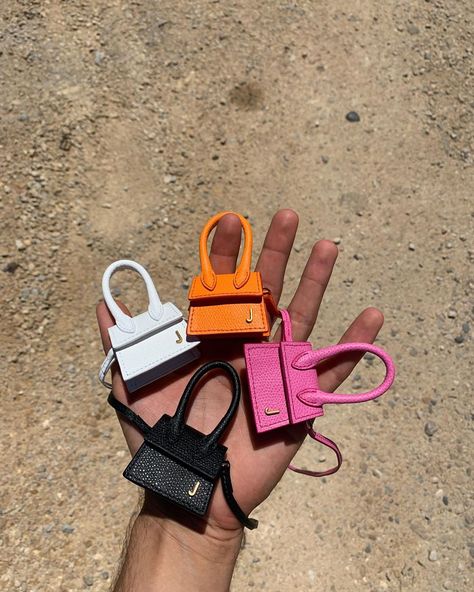
The Tiny Purse movement isn’t dead yet, and there’s lots of vendors with starting options. You need to ignore their styles, and design yourself. Take a loose concept they have so its a realistic starting point, but do you own design.
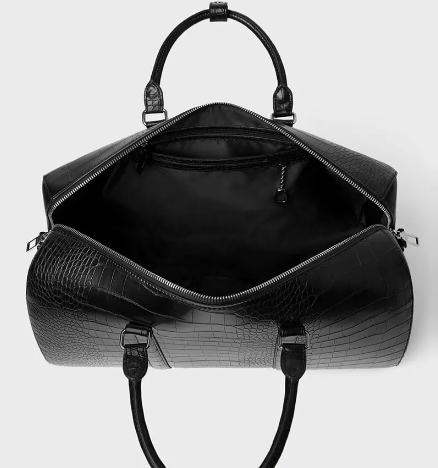
For most people it makes sense to start with an existing popular design and modify it to be something unique. This is a men’s option from Guangzhou Gaofeiya Leather Co
Translucent bags are also popular and affordable. Good option to easily put out a design in a unique style (over shoulder, fanny pack, tote, etc) with fun designs – especially for TikTok.
These are $10, custom logo at 100 minimum order quantity (MOQ).
These are 500 MOQ with custom graphics and packaging, but only $4.60 each
A vendor option for PU leather and patterned options on the cheaper end? Look at Shijiazhuang Anhong Trade Co
Quanzhou Fanlostar Int’l Co and Chongqing B.m. Import & Export are two legit factories who will import various materials as needed for quality options for any style you want to make.
Tips for sending a great “brief” to your chosen vendors:
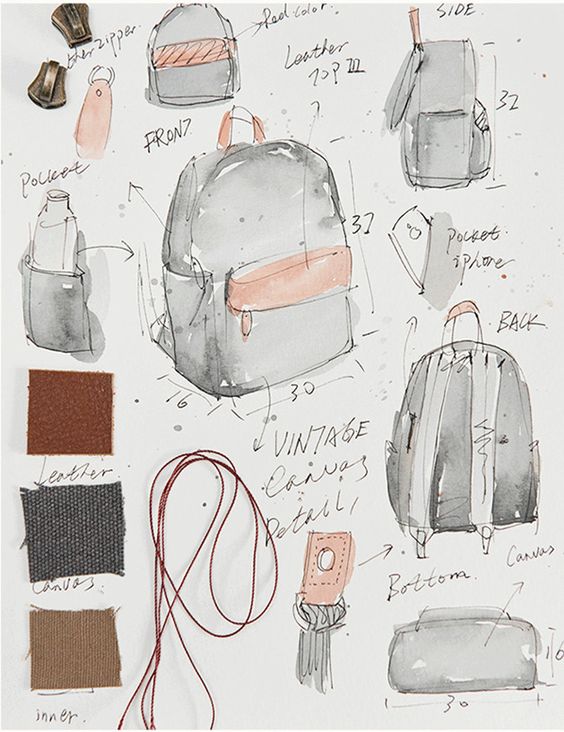
Process notes: Include sketches or cad drawings with dimensions in cm/mm. If you want real leather, get a sample of the leather sent prior to an actual bag mockup. Expect to pay hundreds for a real quality single sample. This can usually be applied against your order invoice (just ask).
If you want to go expensive and charge a premium, read How to Differentiate a Luxury Brand. This is my starter guide for different techniques for differentiating a premium brand over time.
Laundry list of ideas I’ve had in this space you should use:
Backpacks are for kids, messengers aren’t much better. What’s a new form factor?
Quick checklist for succeeding with sourcing your product:
Thanks for reading! If you found it interesting, I’d appreciate your shares!
Make your products come to life. Get more factories, insights, and tutorials like these. Follow me on Twitter: @orenmeetsworld
Join thousands of like-minded readers on my weekly Product People newsletter covering building brands and differentiated products.
If you’ve traveled a ways down the road with me on any of my blogs, the one consistent thing you’ll hear me say is that there’s never been a better time to start your own business than now. C’mon… you just can’t fail in a market as ripe for new business as this post-pandemic market is. This is even more true when you start a business without much money.
The lower your investment, the lower your risk. And the more niche your innovative business ideas are, the higher your chances of success.
Why do I say this? Surely the smaller your market is, the less money you’ll make in return?
Well, no. Spoiled for choice, many consumers will shop at the cheapest place they can find what they’re looking for. With little or no choice in suppliers, customers with niche needs spend all their money at one specific place.
But just how niche do you need to be? Here are 5 examples of niche blogs that followed 15 simple steps to success…
By the way, if you missed my TikTok on this, you can catch it below, or scroll to keep reading here on the blog:
@orenmeetsworld If you want to start a business without much money, i would start a niche content site you can grow and then sell on sites like Microacquire or Flippa #websiteflipping #blogger #creatoreconomy #ecommercetips #entrepreneurtok @orenmeetsworld
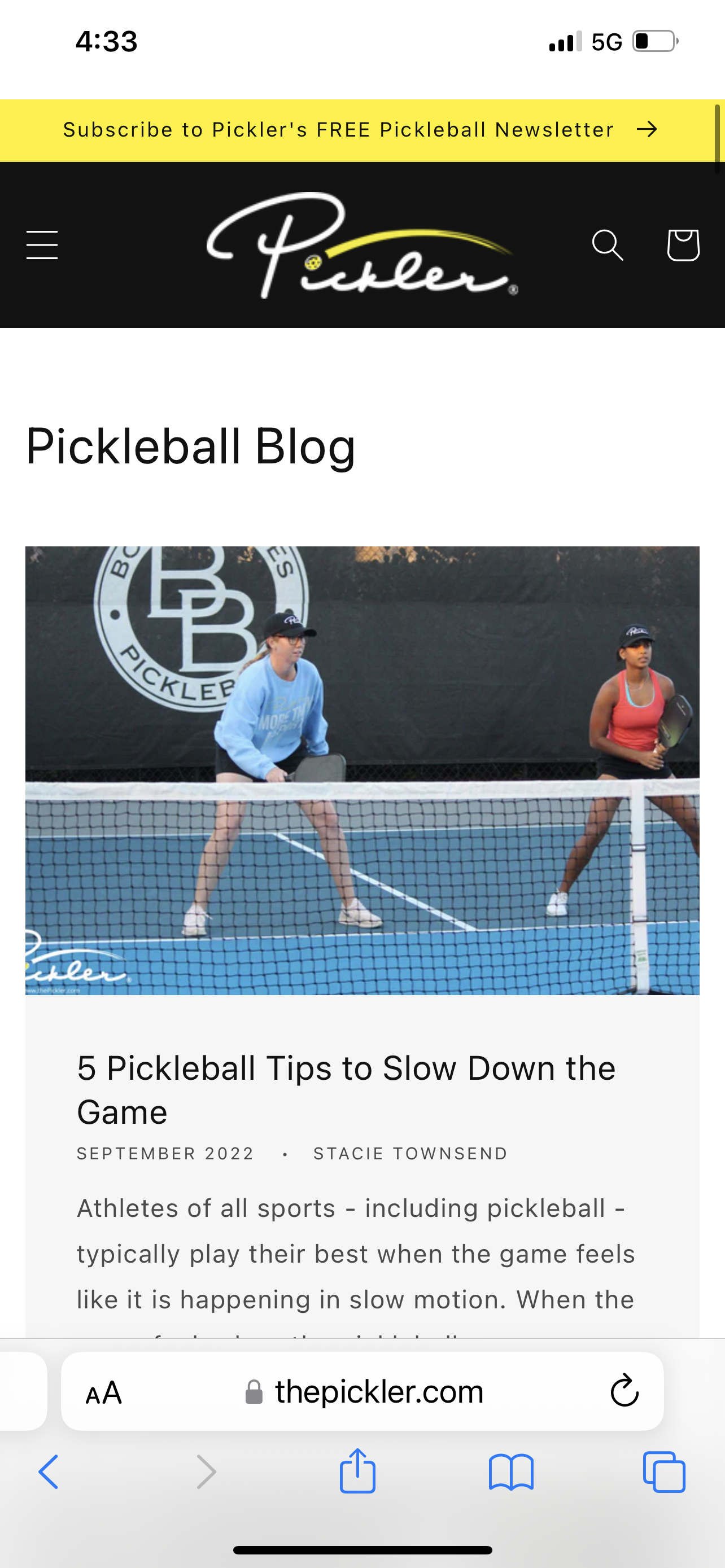
So If I didn’t have much money and was starting a business today, the thing I would do – absolutely hands down – is start a niche content site like this Pickleball Blog. Being so narrowed in niche, the site enjoys first place in SEO search results for “pickleball blog”.
If you’re an online content producer, writer, or blogger, how do you actually make money on your work? Here’s an example from a site a friend of mine, James Camp, actually built and sold.
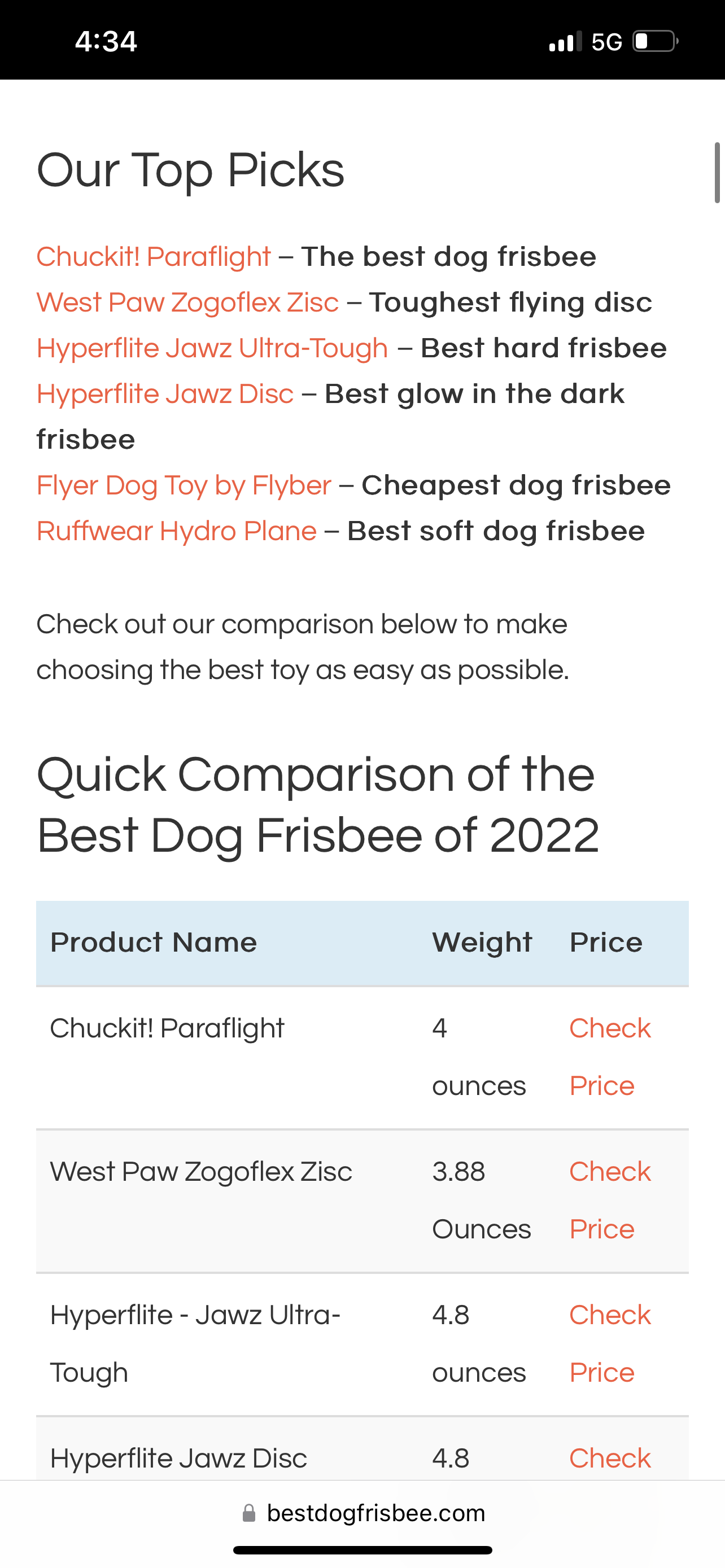
The site is called bestdogfrisbee.com and what you’ll see here are a few review articles about the best dog frisbee out there, with links to said frisbee. Each of these links redirect to Amazon, and every purchase made through that results in a small commission for sales made.
By earning a percentage on sales, James had monetized his site. So when someone purchased that website from him, they did it because they said : “Hey, this website already has money, and we can likely make more of it if we improve the site and grow it further.”
But back to Pickleball…
When you start a niche content site, you’ll want to set up for a series of ongoing content where you write likely everyday or two-to-three times a week. Choose topics you find interesting or you think people are searching for that can add value.
You can use tools like AnswerThePublic or various SEO tools to help you think intelligently about the best topics for your niche. Use social media to your advantage by posting shorts on TikTok or YouTube, tweeting about your niche, or starting a podcast.
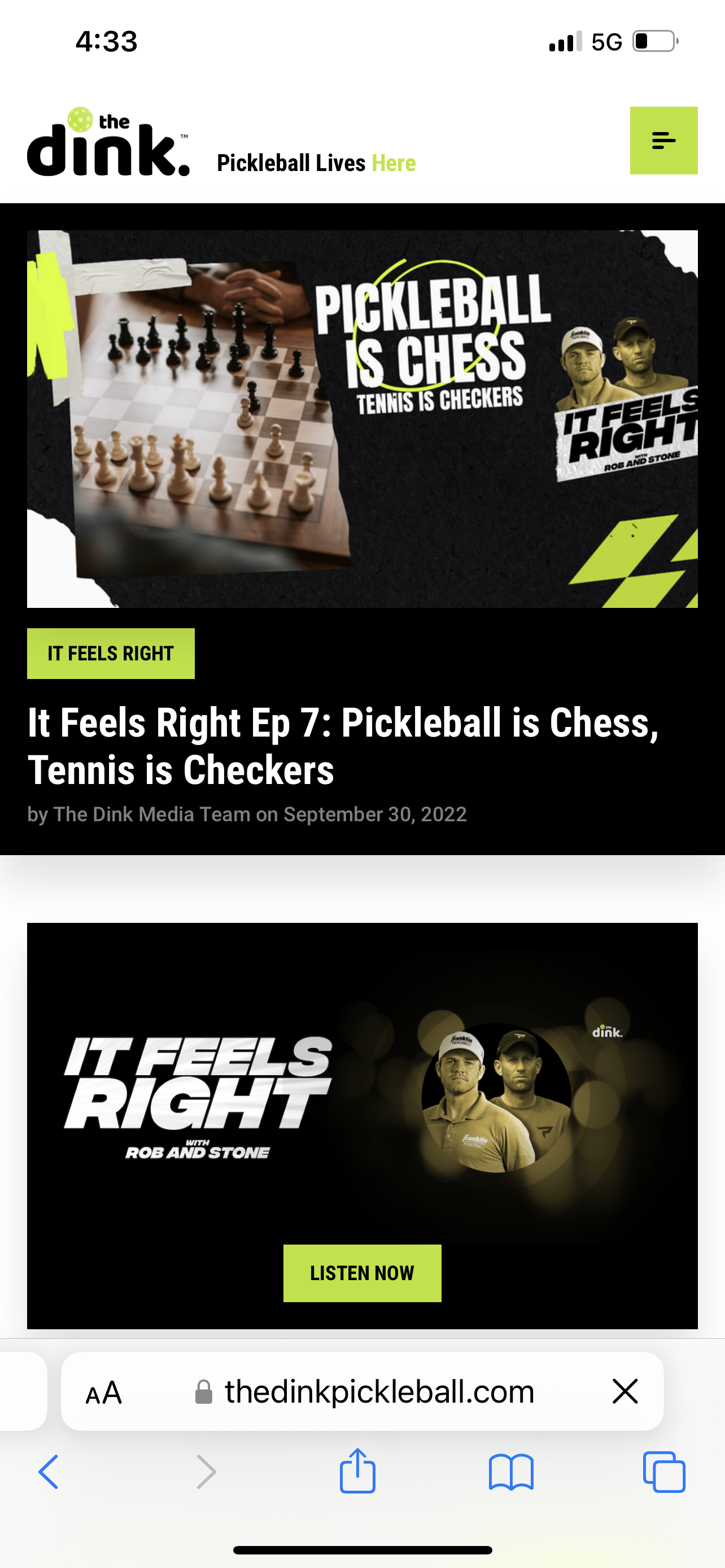
Make friends everywhere you go and let this activity grow your audience through your social media networks.
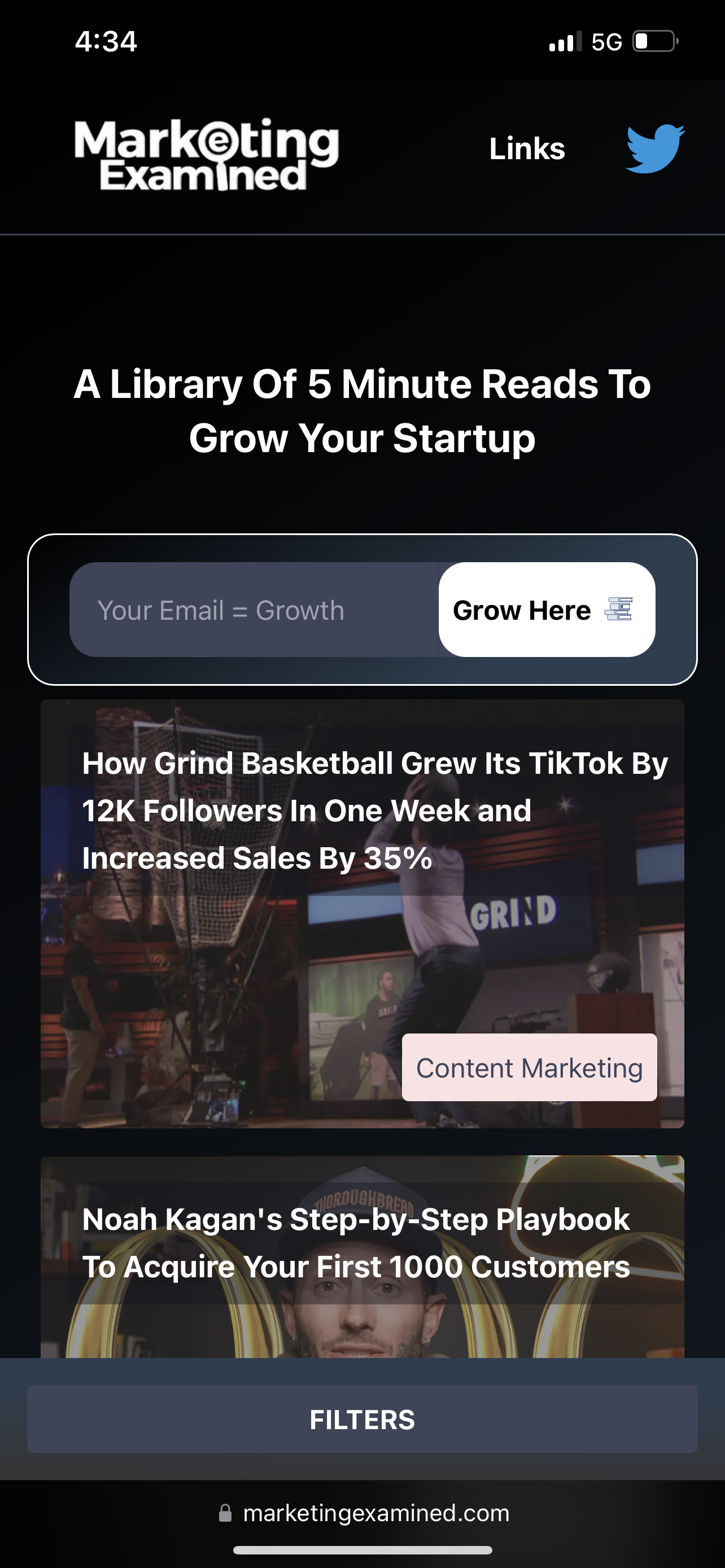
Marketing Examined is a niche content blog from my good friend, Alex Garcia, who writes about all things marketing. He does case studies where he actually goes in-depth with individual marketers about things that have a lot of value to the niche.
What’s nice about these sites is that you can also build email lists around them and people would either pay you for sponsorship of this email newsletter, or when you go to package your content site to sell because people do buy these sites on platforms like MicroAquire and Flippa. Here, the general concensus is that the site already comes with X amount of traffic, X amount of email subscribers, X amount of social media followers, etc.
When people are starting a business, or want to expand traffic to their existing business, they look to content sites and social media things like this. They specifically search for sites that are easily packable with lots of statistics and Google analytics. In this way, it’s easy to increase their own traffic, to sell the things they’re trying to sell, or to get the impressions they want for themselves for advertising.
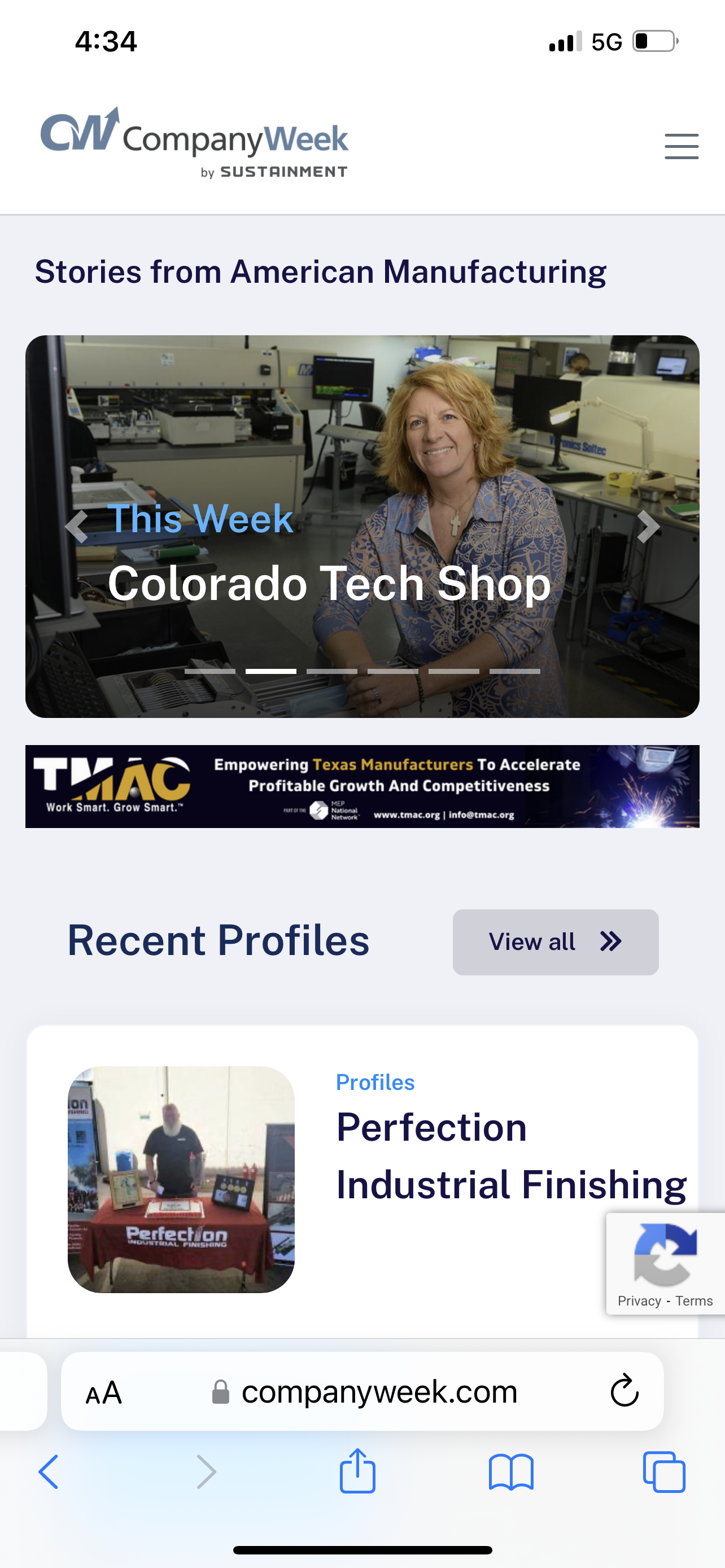
It doesn’t have to be just writing and blogging about your own story; you could write others’ stories, too. Take Company Week, a site that was recently bought by the niche tech company Sustainment.
Company Week survived by interviewing American manufactures and placing their profiles and interviews online so those manufacturers’ profiles could be found. The resulting traffic had tremendous value when they started working within that niche, ultimately resulting in their site being found and the eventual acquisition by Sustainment.
Similar to listings, Company Week also offered ad space on their site that generated revenue for their business.
So, how do you start a business like these guys did, when you don’t have much money to work with then?
Overall, if you’re short on cash but have tons of time, this is the ultimate 15-step guide on how to start a business without much money:
1. Pick something you love, can live with, or have a lot of experience in. This is your niche.
2. Look up topics in this niche you feel you could write about regularly.
3. Choose a domain name that reflects your niche or target market needs. BestDogFrisbee mentioned above is a good example of this.
4. Do your SEO research with tools like Ahrefs and AnswerThePublic so you have clear ideas on what topics will suit your niche best.
5. Use a simple CMS (content management system) with a blog option like WordPress.
6. Install a service like IONOS, which costs 50c a month to host your site.
7. Design some logos with Canva’s free options.
8. Find stock photos from free sites like Unsplash, Pexels, FreePik, etc.
9. Pay a little more for a service like Envato Elements.
10. Write everyday about your niche topic.
11. SEO and optimize your content for readability and searchability.
12. Share that content on social media and build a community.
13. Create an email newsletter that builds your following, but also generates clickable leads.
14. Wait about a year or two until you’ve built enough traffic, and you’ll be able to sell that site for lucrative money.
15. Take that money and fund a more interesting and larger scale project than the last one.
The only difference between having money and not having much of it when you use this 15-step approach is that you either do it yourself, or you hire someone to help you do it. It’s that simple. The process remains the same, whether you have money or not.
Yes, it’s going to take a little longer if you’re doing it all yourself, but search engine algorithms have pretty much leveled the playing field these days. You stand as good a chance as anyone else to be at the #1 search result organically… What are you waiting for?
RELATED CONTENT
This is your sign to start a supplements brand
Thanks for reading. I regularly break down sourcing and developing different products to 4800+ entrepreneurs on my Product People newsletter. You should join me there.
– Oren
Twitter: http://www.twitter.com/orenmeetsworld
LinkedIn: http://www.linkedin.com/in/orenj/
TikTok: https://www.tiktok.com/@orenmeetsworld
Check out 2 newsletters from my best friends, James & Colin
NanoFlips – Learn the art of buying, growing, and selling websites with James Camp:
https://www.nanoflips.com/
Free Smoke – A Cannabis business newsletter by Colin Landforce:
https://freesmoke.xyz/
Sign up today for more content like this!