
This is a super-interesting time to build a brand in activewear or the supplements industry. You can own this space, and it makes a lot of sense to start a niche brand here, especially now.
I’m going to break down why.
Grab the alpha – with visuals – in my TikTok short below, or scroll to keep reading:
@orenmeetsworld If you want to build a brand in activewear and supplements right now, here are some trends and ideas worth being aware of #clothingbrand #fitnessbrand #wellnessbrand #ecommercetips #activewear #supplementsthatwork @orenmeetsworld
While activewear as an industry or niche might seem to be more saturated than ever, niche brands are really focused on the UX (user experience) of their corner of the market to build cult-like brands. District Vision is a great example of this principle.
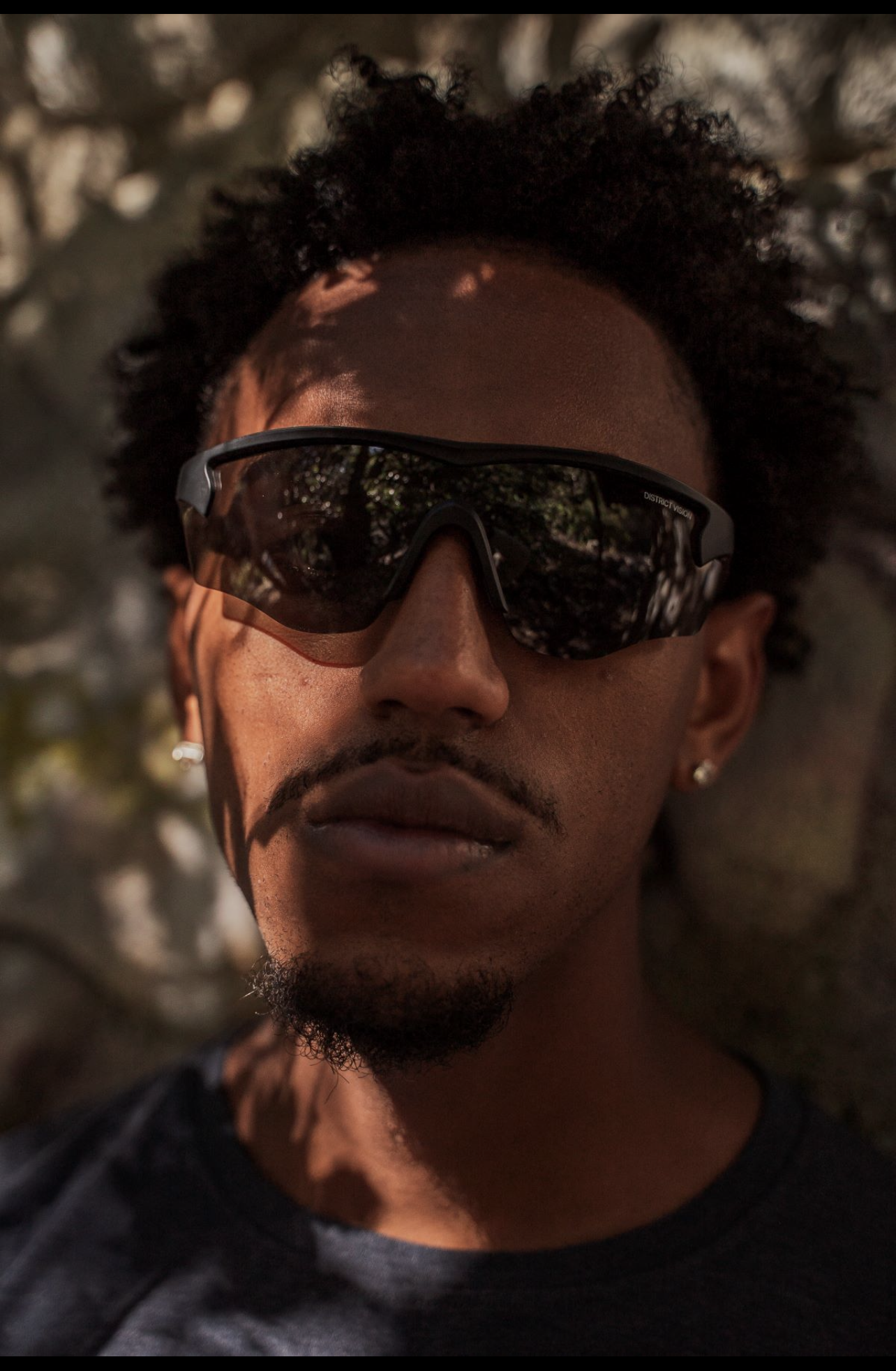
Other brands that use this strategy for the same reasons include:
And what these brands are saying is, “We’re going to take the user experience for this exact sport we’re in and make it perfect. Let’s build an amazing brand around it.”
This is just at the beginning of what that could look like for sports like lacrosse (similar to baggataway), golf, pickleball, baseball, soccer, or even basketball. Activewear brands tend to focus on one niche sport, or related niches.
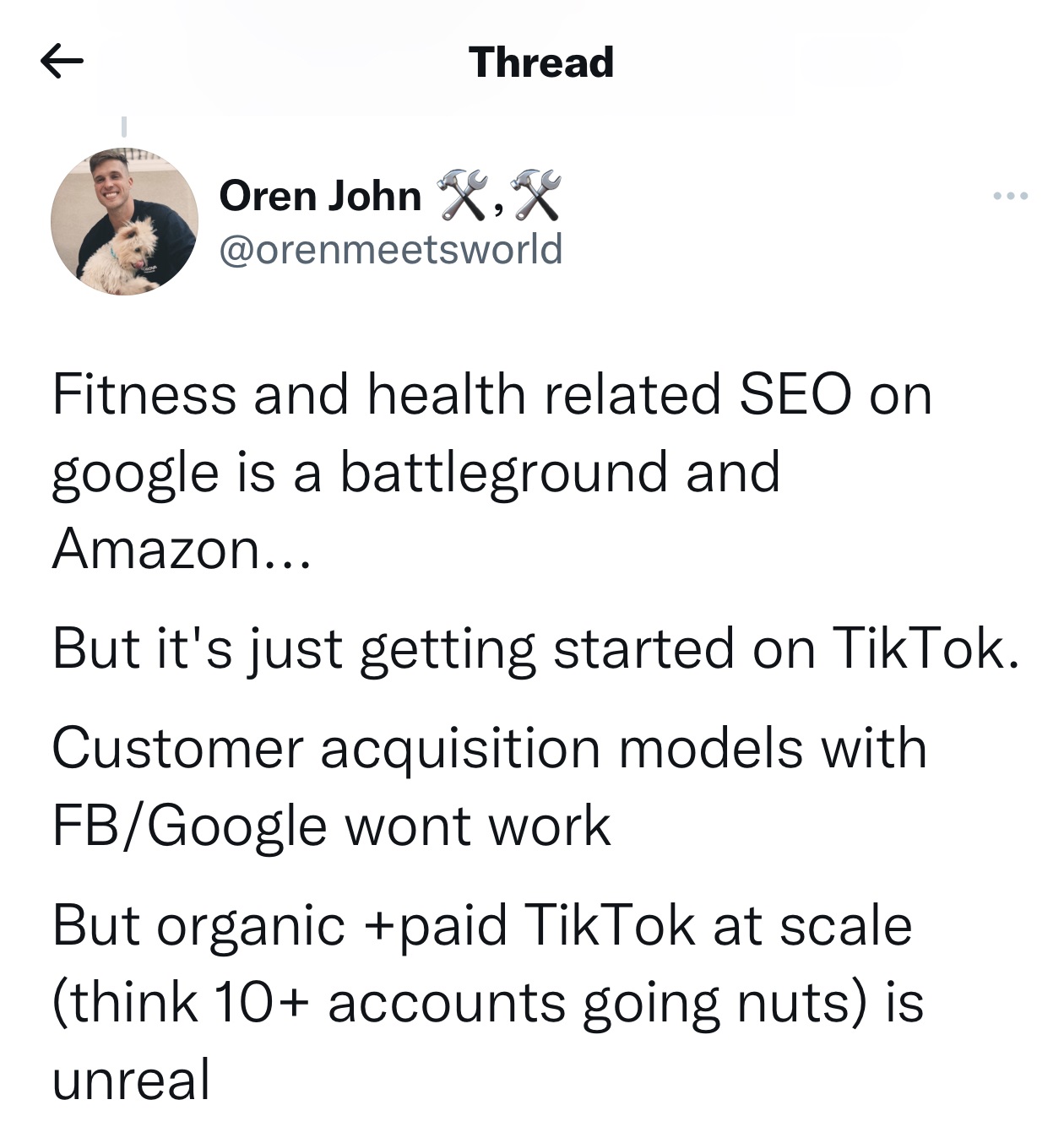
Now, if someone had told me they wanted to build a brand in activewear or the supplements market with traditional SEO and Facebook acquisition tactics, it just wouldn’t work. You could sure try, but the amount of effort required to really make it successful just wouldn’t be worth the nominal success it would bring.
What isn’t happening out there is brands taking advantage of that same kind of SEO on TikTok, and using the platform to scale organically. You can also increase your odds of success on TikTok by having multiple pages and multiple people working together as a team for your brand.
It cannot be stressed enough: influencers in fitness or wellness spaces should be working together in groups of 3 to 6 to execute their brands collectively, building on audiences rather than relying on their personal brand, their customer, their investors, or whatever it ends up being to really push their brands forward.
There has never been a better time to collaborate than now!
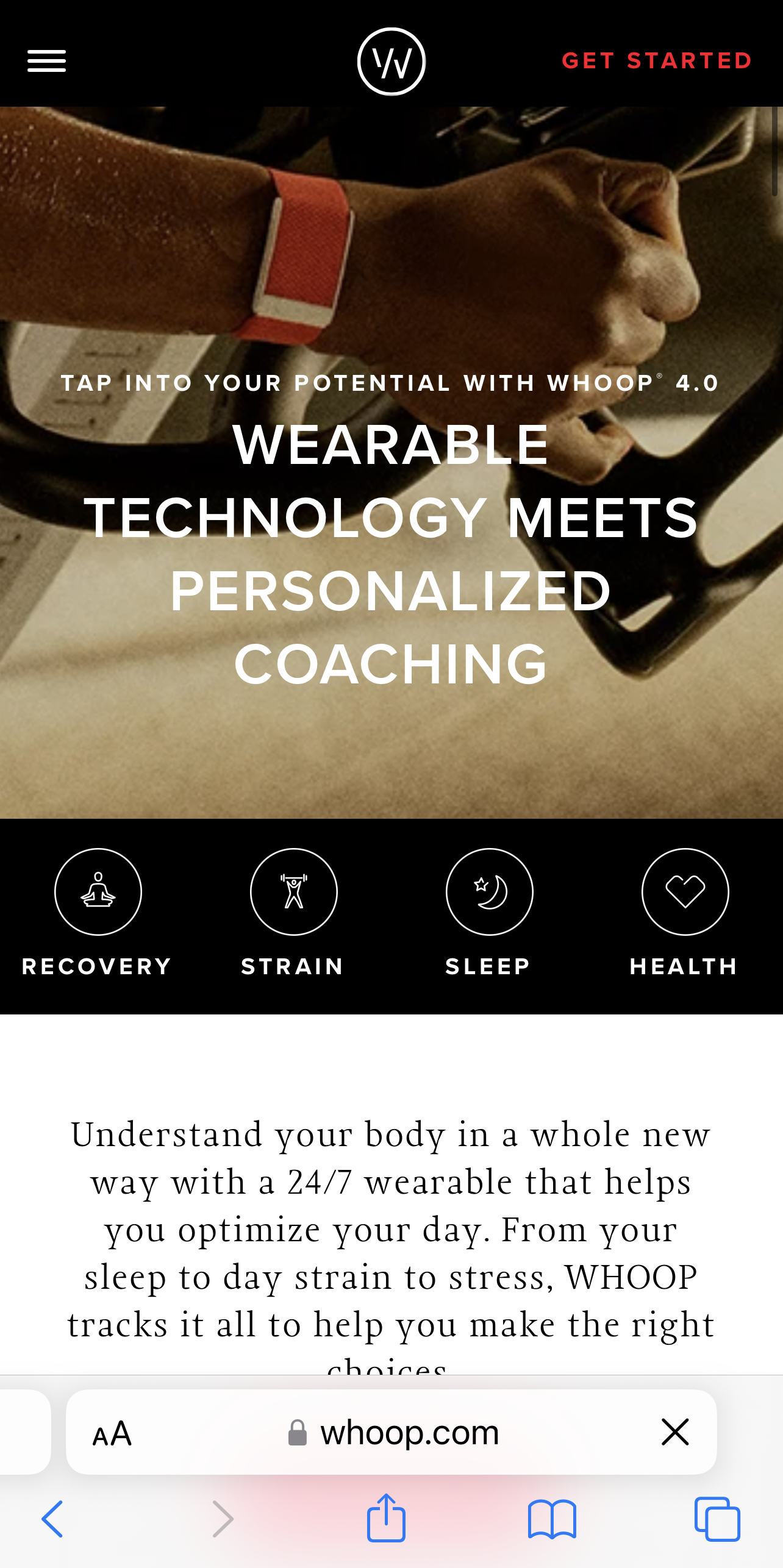
The supplement space is super interesting in the same way and a lot of it is because I believe that technology like the Whoop wristband pictured here has opened up the doors for those people who distrust the existing health and nutritional system. Technology like this helps people experiment, to learn about what makes them feel good, track their sleep, activity, and feelings.
Results and statistics can be used in journaling functions to actually test things that work for them – which will open up a whole new door for people. It’s also a great way to figure out if supplements may or may not work for them.
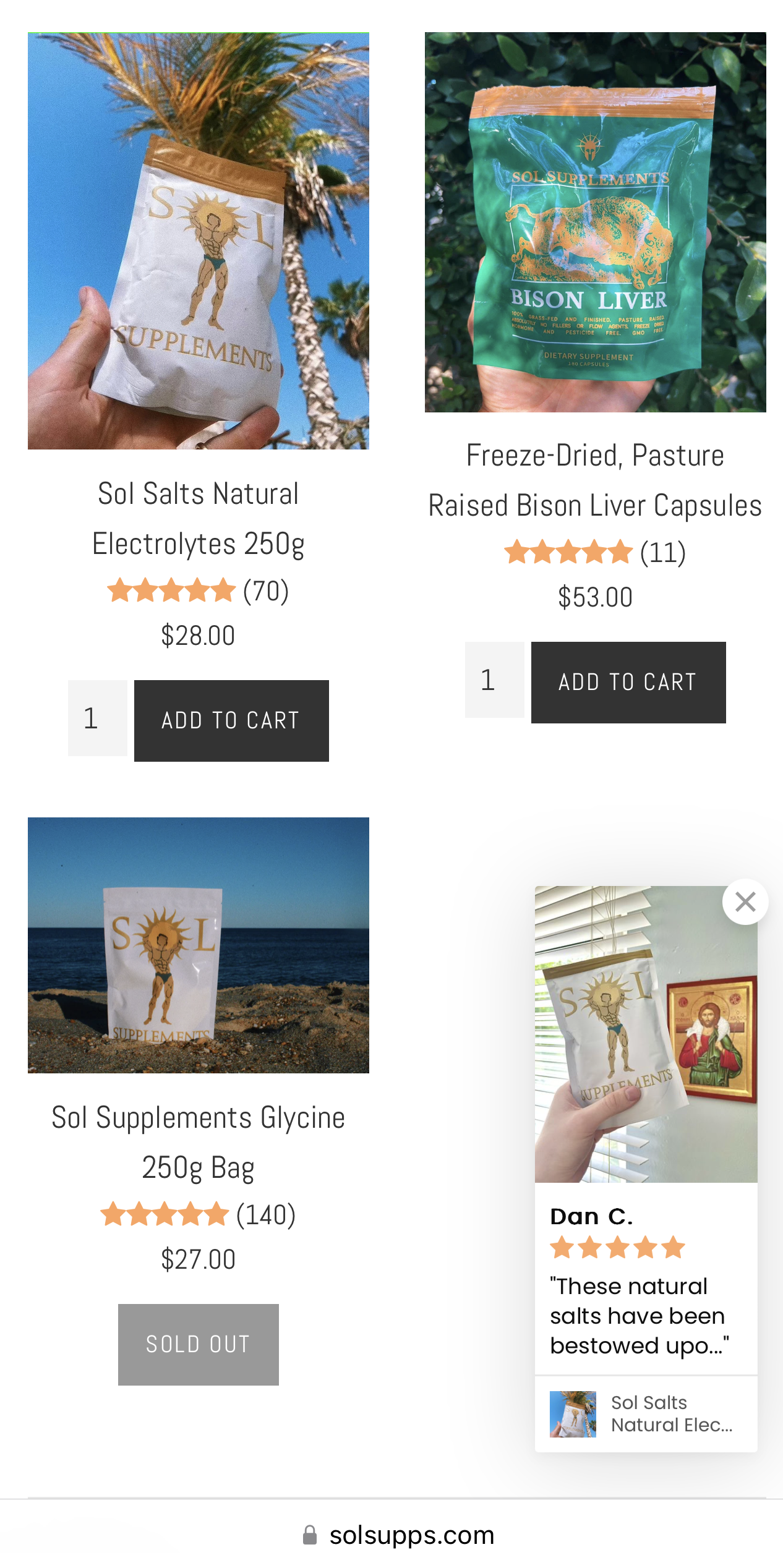
There’s also a growing movement for smaller brands like Sol Supps, brands who are super-focused on quality, organic, exactly-precise ingredients. These brands understand that to own a corner of the market – a niche – means that they understand what their consumers don’t want: weird protein shakes full of sugar and strange people dictating what goes into their supplements.
What consumers do want is things that just work, things that are built with passion. There’s an opportunity here across all existing supplement categories for newer protein brands to charge a couple of dollars more, understand their customers’ lifestyle, and really succeed.
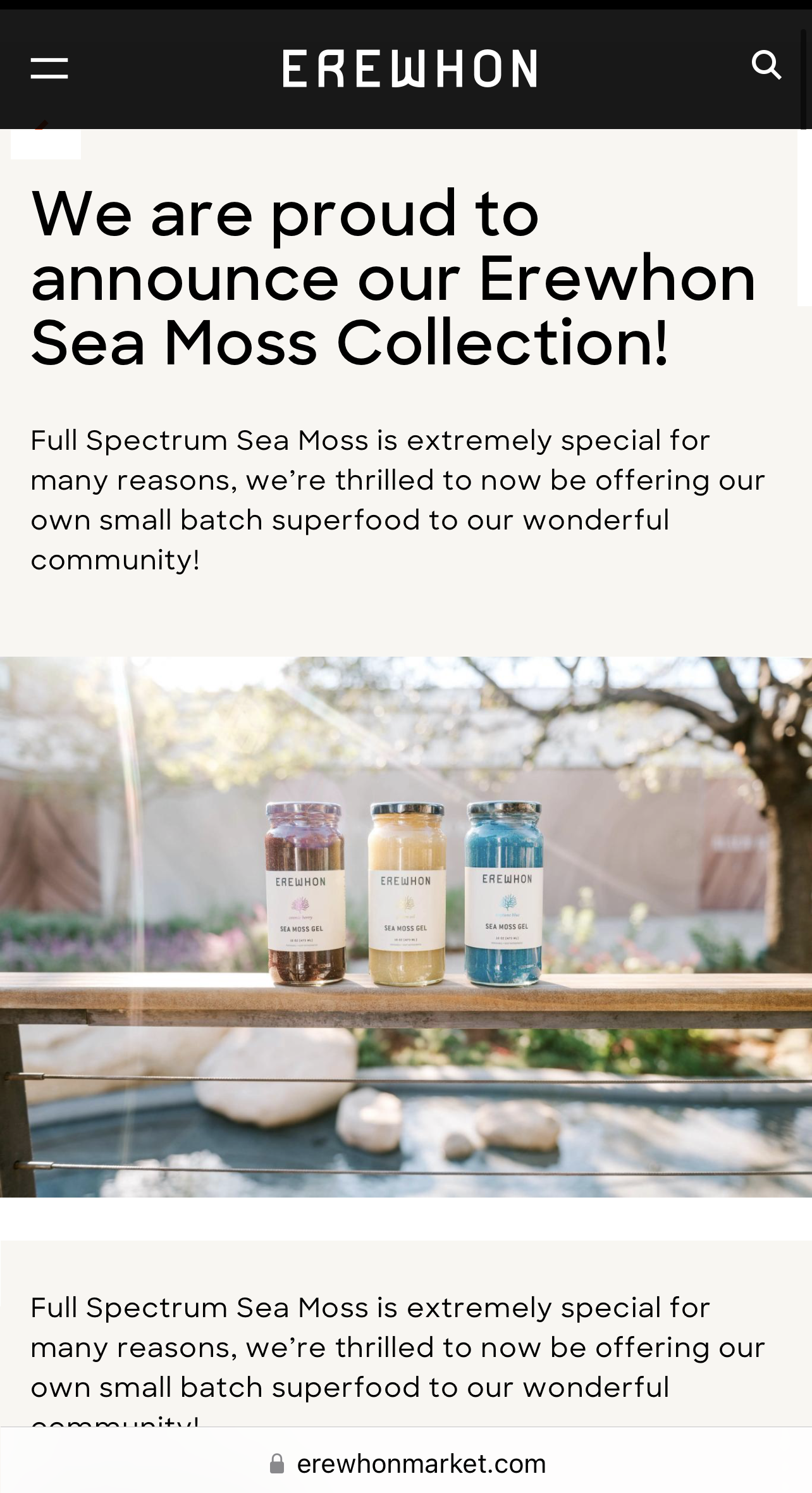
Not to mention, there’s a new era of specialty retailers who are doing things differently, like coming out with white label products. Erewhon (with their sea moss products) are part of this era, and they’re opening up brand new categories for discovery inside the communities they function in.
Best of all? They’re accesessing people who aren’t just totally online experimenting in this.
The most important takeaway you need here is to not let anyone tell you that this niche is saturated. You can do this!
– Oren
Twitter: http://www.twitter.com/orenmeetsworld
LinkedIn: http://www.linkedin.com/in/orenj/
TikTok: https://www.tiktok.com/@orenmeetsworld
Check out 2 newsletters from my best friends, James & Colin
NanoFlips –Learn the art of buying, growing and selling websites:
https://www.nanoflips.com/
Free Smoke – A Cannabis Business newsletter by Colin Landforce:
https://freesmoke.xyz/
READ NEXT:
Let’s Talk About DTC Brands Going Into Retail
I write about tools and ideas to bring winning physical products to life.
Whether you have a brand or want to build one in the future, I highly recommend joining the 4500+ happy subscribers on my Product People newsletter!
This is how you take a standard product and make it stand out. Satisfy Running is a great example of how to nail down on your customers’ user experiences, and create a fantastic product you can sell for a premium. There’s also my free product development guide on building a private label activewear brand in this niche.
Let’s do this.
By the way, if you missed my TikTok short on this, you can catch it below, or scroll to keep reading here on the blog.
@orenmeetsworld How do you take a basic product and make it work for your niche? Lets start with how to make a stsndout activewear product @orenmeetsworld #fashionbrand #fitnessbrand#activewear #productdevelopment #ecommercetips #trends
There are dozens of companies on Alibaba that offer basic polyester shorts for activewear. These designs are relatively well thought-through and modern, in an affordable price range.
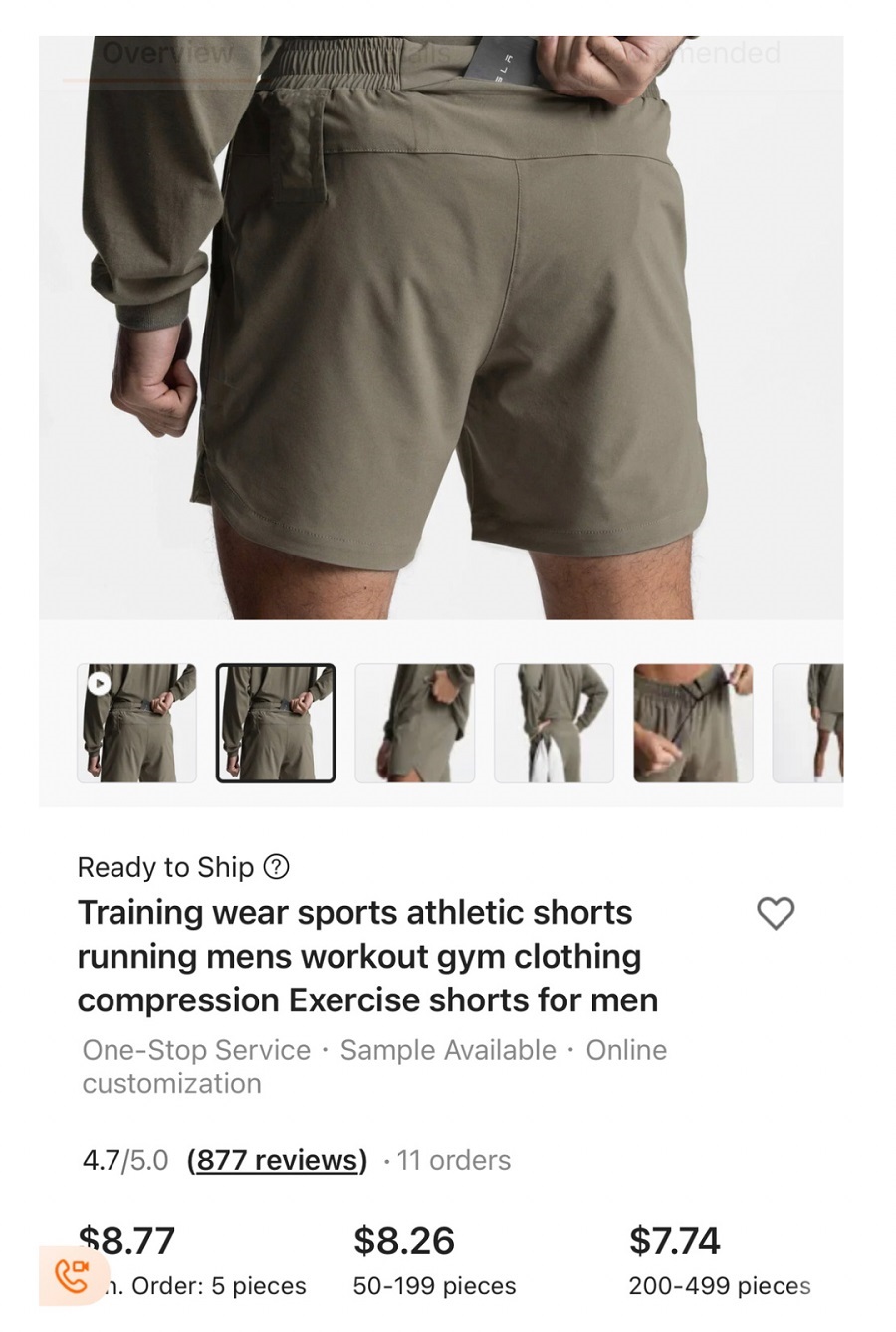
These above will run you about $7.75 each for 200 pairs.
This pair from Satisfy costs $270 because they’ve really zeroed in on the intense, long-distance runners’ user experience.
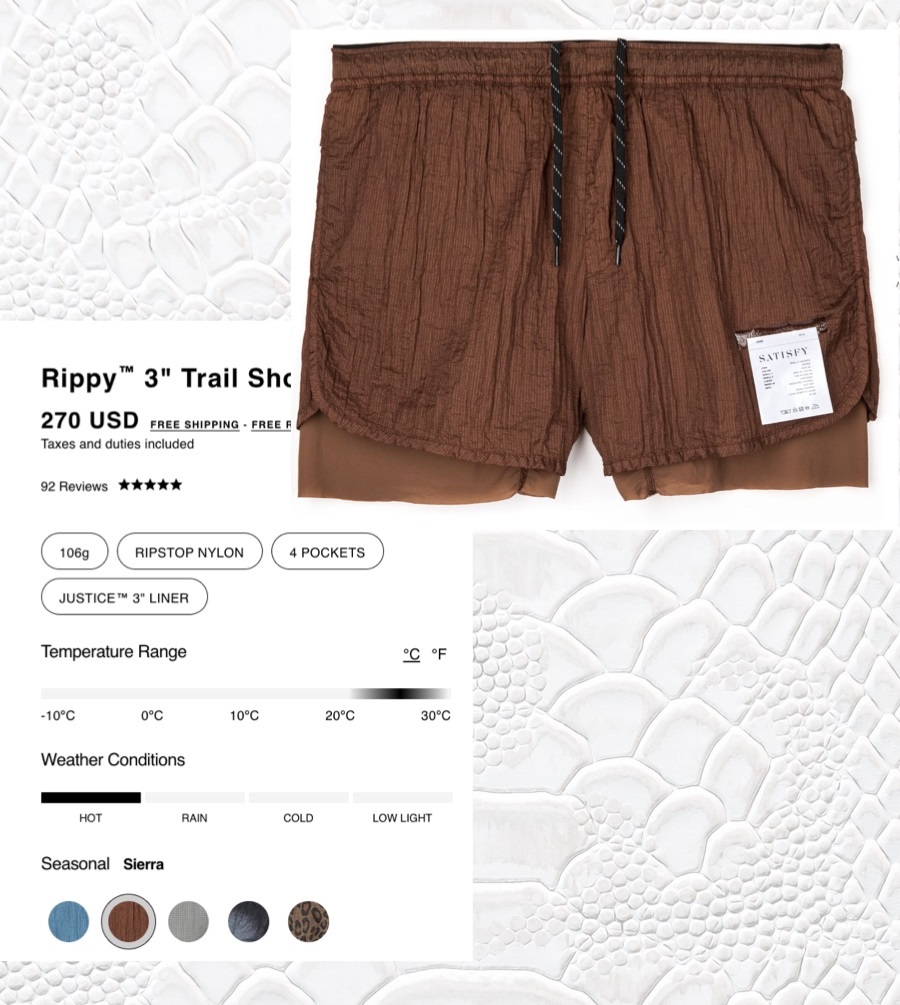
So, how do you take a short and customize it to be effective for a target niche?
This comes down to the user experience for exactly the sport or whatever active lifestyle element that your customer is looking for. So, what Satisfy has done is to make all of these little features that are perfect for the long-distance runner.
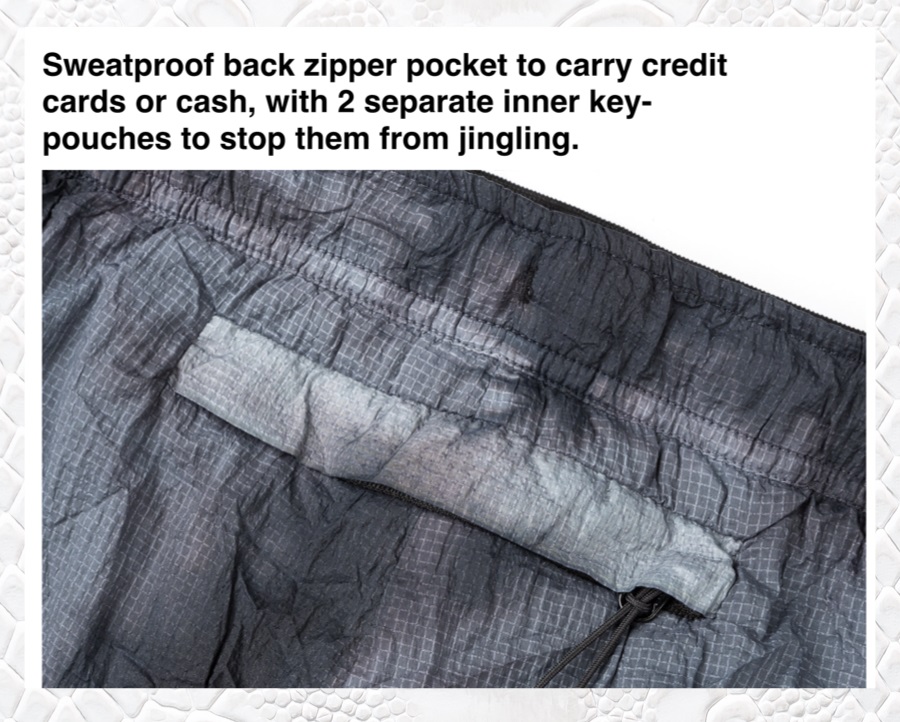
These features include things like this sweatproof back zipper pocket so you can carry your credit cards and cash with you. It also has inner key pouches to stop your keys from jingling in your pockets as you run.
As any long-distance runner knows, these are really annoying things that you need to think about while you’re running.
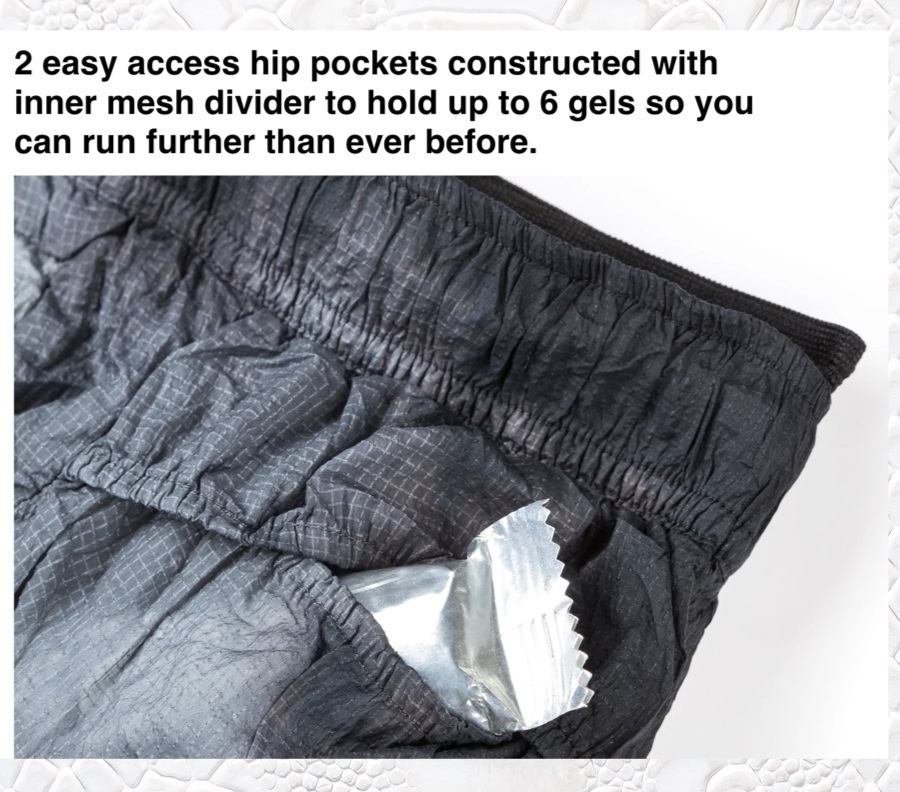
Follow this up with hip pockets that carry the gels you use to hydrate and get fuel in on a 10+ mile run.
There’s also a sweatproof phone pocket that’ll keep your screen dry. The pocket is on the inside (not the outside) which is key for running.
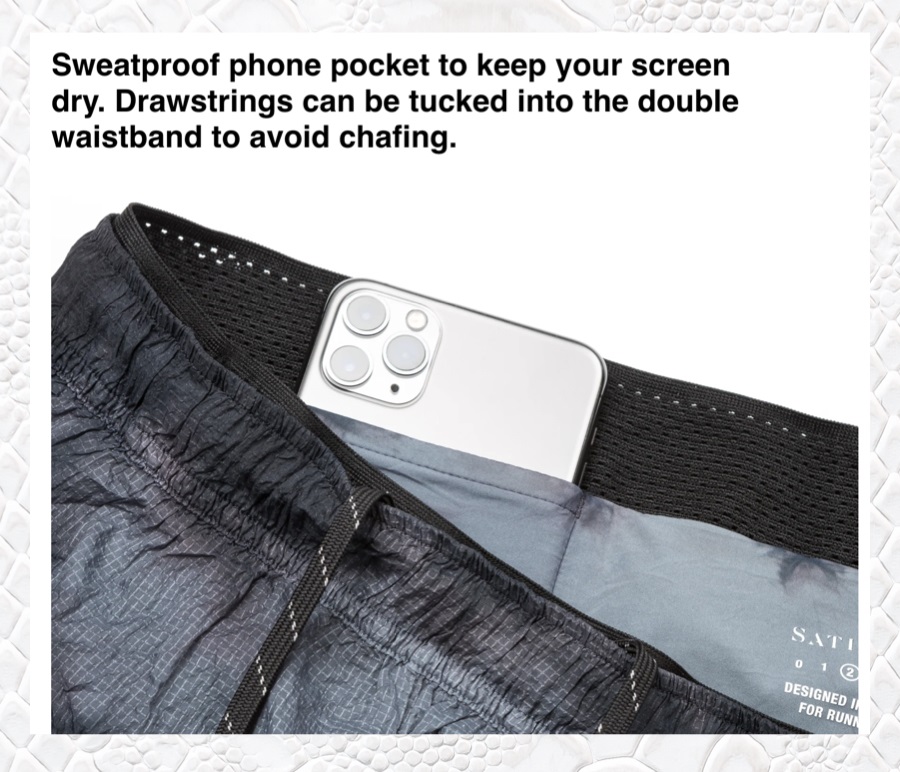
The drawstrings tuck into the double waistband to avoid chafing, and also so you don’t have them just flying around while you run. A great addition is the mini carabiner you can use to clip in valuables or jewelry while you run, which can also be stashed in the double waistband.
All of these visible benefits add up to the perfect user experience while you’re running.
So, if you’re designing activewear for a specific niche like yoga, baseball, lacrosse, etc., how can you find all these little details and add to the base short so your customer feels your product is speaking directly to them?
As a distance runner, I’d look at this product and think, “Okay. I’m about to run a marathon. I’m going to be wearing these because they have the perfect user elements for what I need as a distance runner.”
Now, how can you achieve that in your target niche?
RELATED READING:
How to Build a Brand in Activewear and Supplements
In this cheetah print (that I love, by the way!), you’ll see the detachable care label. I don’t have to remove the tag to avoid chafing, but the option is there if I want it. There’s also the unique style and design of it to consider, as well.

A super-crucial thing to consider is materials. All of those Satisfy designs are using 100% polyamide, or 72% polyamide and 28% elastane blends, which they’ve actually created themselves as part of their process.
All the shorts I’ve shown you are usually going to start off as polyester, but what you’re going to want to do is identify other high quality products and ask your vendor if they can find similar materials or things that will produce a similar effect.
Polyester really isn’t a great material, and I believe there could be a great opportunity to offer these shorts in linen and some other, more-natural fabrics. Either way, experiment with this, look at what the blends are (because they’re listed on almost any product listing these days) and then ask your vendor for what that better material is. That’s going to be the big thing that sets your product apart.
Hope this introduction to private label activewear was helpful for your product ideation. Let’s take a look at product development next.
So, what separates one product from another larger, more successful product is:
I’m breaking this down with a particular emphasis on activewear. The factory link below is the perfect vendor to get started with your own private label activewear brand.
I break all of this down in my TikTok short on product development for private label activewear brands, using Satisfy products to guide you. Watch it now or scroll to keep reading here on the blog:
@orenmeetsworld If you want to start an activewear brand, heres things to consider #fashionbrand #clothingbrand #fitnessbrand #sportswearbrand #activewear #ecommercetips #ecommercebusiness @orenmeetsworld
This is a $220 pair of running shorts from Satisfy Running, a cult brand who makes super performance items for specific sport niches.
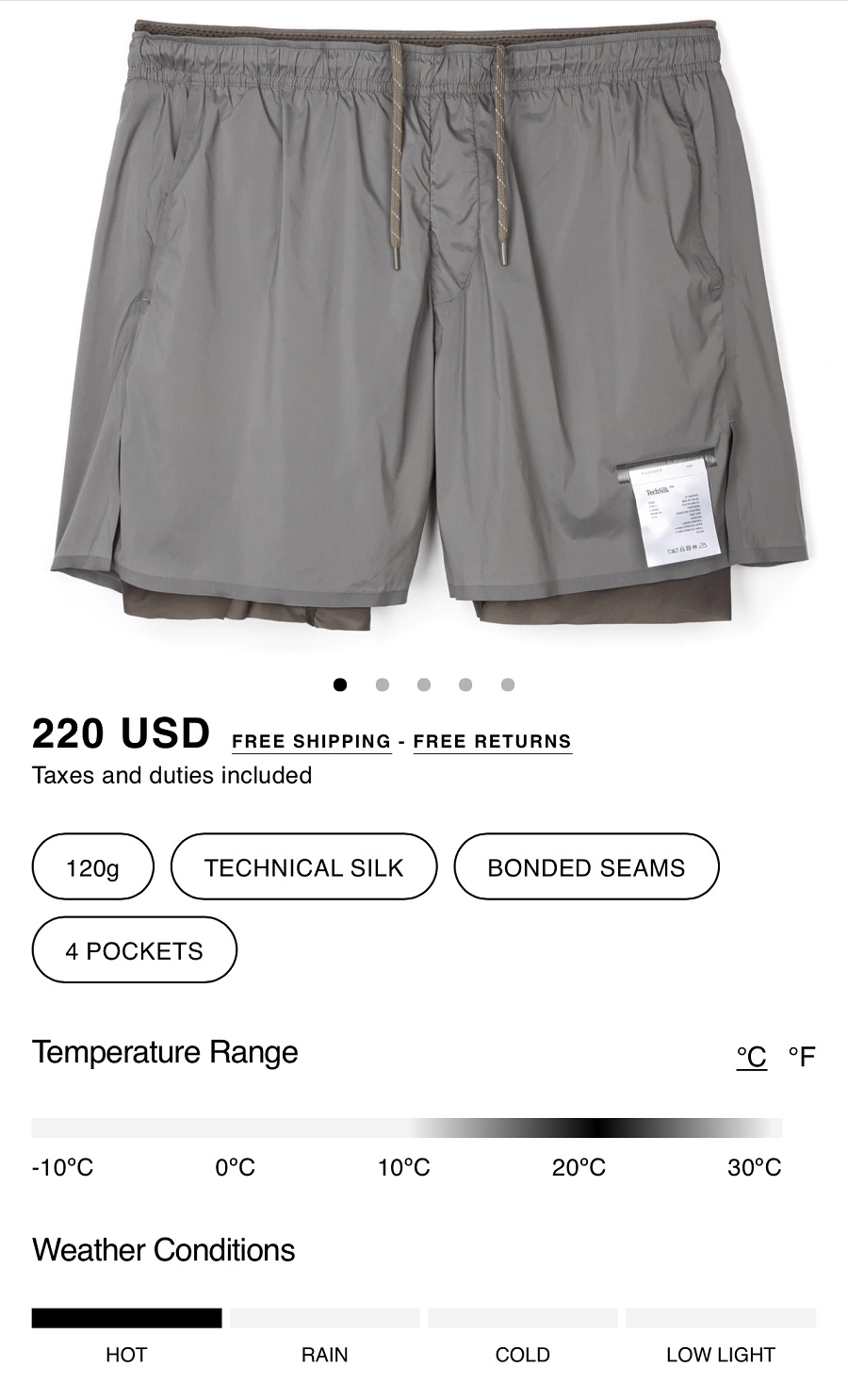
Here’s where the real brand advantage is:
This is a pretty extreme example of a premium for a pair of running shorts, but this is an activewear vendor from Alibaba. Most of the scaled activewear is made in Vietnam or Cambodia (not China) and you can get some pretty decent, high quality stuff on the platform.
You’re looking at $7.74 at scale for those. They’re also a blend in a similar way, featuring customized pockets, etc. While they’re not quite as customized as Satisfy is, you can still take a vendor like this and work with them.
One of the key things in your design that’s a major differentiator is materials. That’s also definitely one of Satisfy’s key differentiators, and that’s because they’re made of 72% polyamide and 28% elastane.
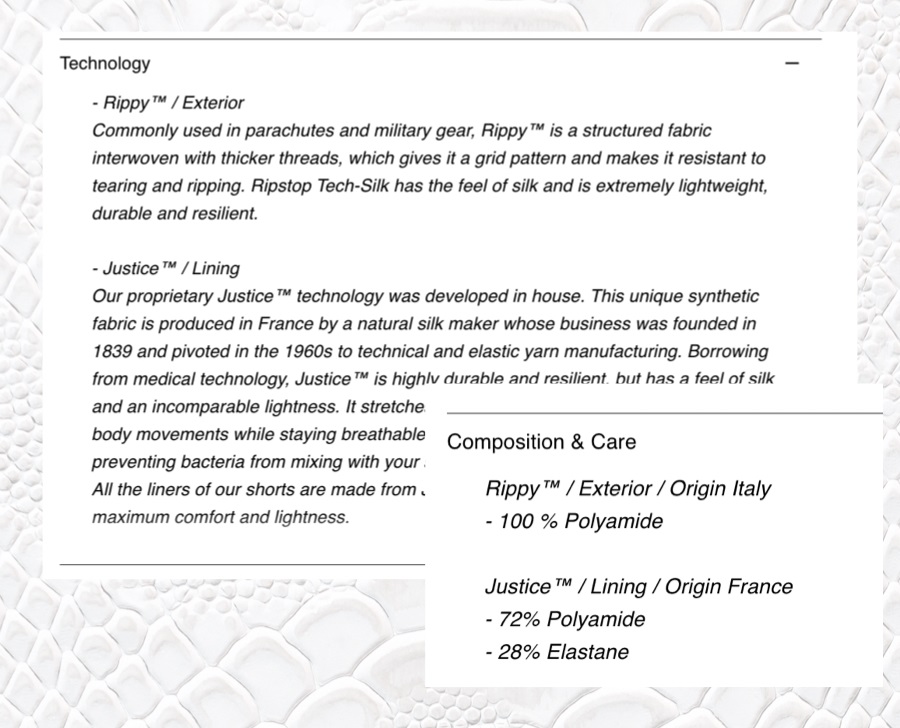
There’s a significant difference between these and say, a typical polyester short. The blend is definitely of better, more-durable, and longer-wearing quality than plain polyester is, for instance, in the long-distance running niche.
You can take information like this and approach manufacturers to find out of they can replicate it. Send them links to the shorts, or better yet, send them a sample of the shorts and ask if they can improve on the materials, design, or user experience.
There is currently a big, untapped advantage in linen or non-polyester/non-poly-based activewear, really. There are so many runners and athletes getting into the idea that comfortable may not always be good for you line of thinking, and that includes their clothing.
The big opportunity is to niche-down in this, and here’s what I would do:
This is a great approach to get you started on building an activewear brand of your own.
If you’re looking for a vendor to do it with, I recommend Guangzhou Jinfeng Clothing Co., Ltd.
Their designs have been featured here in some of the images above. They also have a bunch of ongoing sales and lots of existing styles to choose from.
Talk to them and work with them on what you can customize. Let me know how it’s going in the comments below or anywhere you see my tips and tools.
My newsletter drops with more like this. Sign up now and be first in the know.
You’ve got this!
– Oren
Twitter: http://www.twitter.com/orenmeetsworld
LinkedIn: http://www.linkedin.com/in/orenj/
TikTok: https://www.tiktok.com/@orenmeetsworld
Check out 2 newsletters from my best friends, James & Colin
Free Smoke – A Cannabis Business newsletter by Colin Landforce:
https://freesmoke.xyz/
NanoFlips – Learn the art of buying, growing and selling websites:
https://www.nanoflips.com/
READ NEXT:
Private Label Shoes and Sneakers Vendor Guide
I write about tools and ideas to bring winning physical products to life.
Whether you have a brand or want to build one in the future, I highly recommend joining the 6,500+ happy subscribers on my Product People newsletter!