I wrote a Twitter thread about coffee accessories a while back. These have a huge opportunity in organic social right now, as do coffee bean and cold brew products.  This is your guide to private label coffee roasters and their brews, and the private label coffee suppliers who keep their inventories fresh.

Let’s do this…


The #1 question I got after my Twitter thread? “How do I sell actual coffee?” Bingo!

I thought this niche would be saturated… But after some SEO research, I realized it’s not. There’s plenty of space in your local markets to get in on the ground floor and establish a name for your brand, and I’ve got just the list for you.

Terms you should know in this post:

  • Small-Run Coffee Beans: Suppliers who specialize in small-batch roasts and small private label runs for brands or in-house labels.
  • Dropshippers: Pick your brew, design your packaging, and they ship and send, with a ton of options.
  • Private label (or white label): Choose from existing products in a manufacturer’s portfolio and brand it as your own.
  • Contract manufacturing (also co-manufacturing or co-packing): Get involved in the process from start to finish, including formulation, packaging design, labeling options, and logistic considerations.
  • Ready-to-Drink: Beverages that are typically sold in cans, bottles, or similar containers and require no preparation to enjoy. Examples here include iced teas and cold brews, which you will find mention of down below.
  • MoQs: Minimum order quantities, meaning the least amount you can order of a given product. MoQs are one of my main selection criteria when choosing suppliers to buy from, and you’ll hear this term a lot in my posts and TikToks.


Get all the intel – in a nutshell – in my TikTok short below, or scroll to keep reading the expanded version.


@orenmeetsworld

How to start a coffee company, with manufacturers who can make your brand #ecommercetips #entrepreneurtok #coffeebrands #coffeetiktok #coffeetok #ecommercebusiness #coffeeaddict @orenmeetsworld

♬ Cool Kids (our sped up version) – Echosmith


Private Label Coffee Roasters

Established in 1840, this brand is said to be the oldest coffee merchant in the US. Gillies Coffee is a small-run coffee bean supplier with a low MoQ of just 72 units to start.

Plus they have a bunch of cool and fun old packaging that you can use. There’s plenty of options to choose from, lots of flavors, and green beans (a nice term for SEO and popular on social).


Private Label Coffee Roasters and Suppliers Guide - Start your own coffee brand today | Product World


Gillies Coffee is an easy way to get started, especially if you want to test selling it in-person.


Private Label Coffee Dropshippers

Dripshipper charges a monthly fee and they take care of everything,

The perfect solution for those who want to wake up tomorrow morning and process 1,000 orders by sunset.

  • 12oz-5lb bags
  • 12 or 60 pack pods


Private Label Coffee Roasters and Suppliers Guide - Start your own coffee brand today | Product World


If you truly want to do the minimum amount of work possible, Dripshipper lets you add your logo, choose from their existing coffee options, and sell but you’re going to get a much lower margin. So, the lowest profit option, but least work and upfront cost.


Start your coffee business in one day!

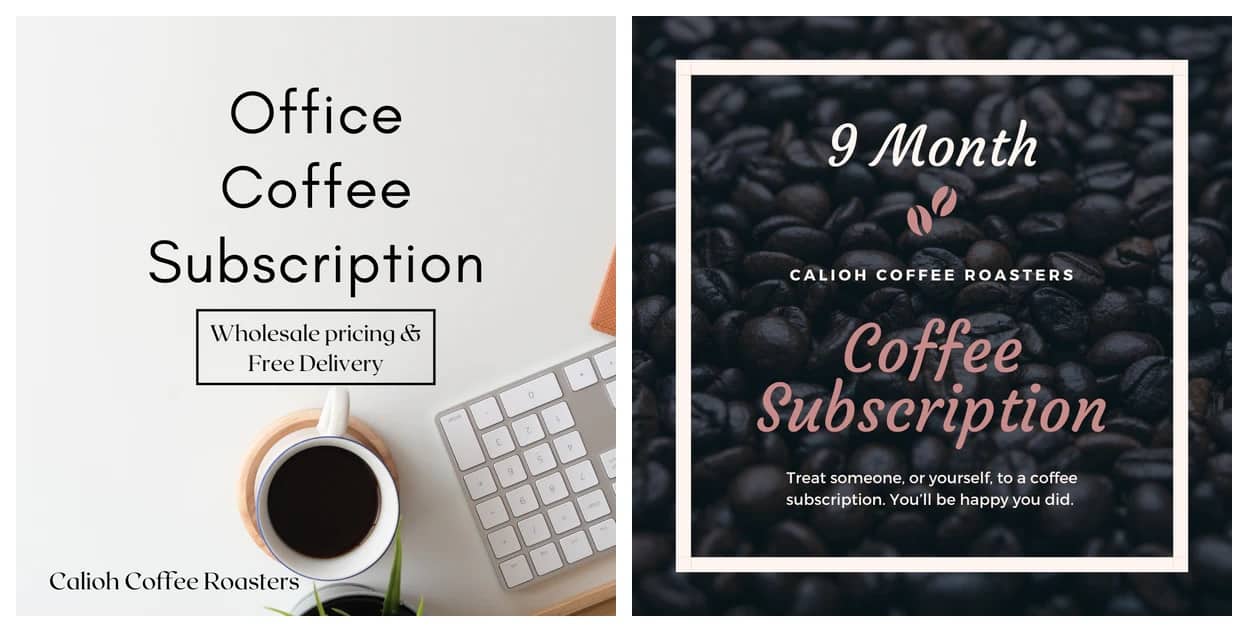
If dropshipping sounds like your best bet, here’s another private label coffee supplier you can take a look at. Calioh Coffee offers the whole spectrum of options, including:

  • Single origin, fair trade, and decaf
  • Bags, k-cups and Nespresso

No monthly fee here so they’re a little different to Dripshipper above. However, this one needs more time to set up. You need to take this one seriously because it’s going to take more of your time to get it just right.


Private Label Coffee Roasters and Suppliers Guide - Start your own coffee brand today | Product World


With 100% satisfaction guaranteed, this is probably the one I’d choose if I was going to do a brand. 


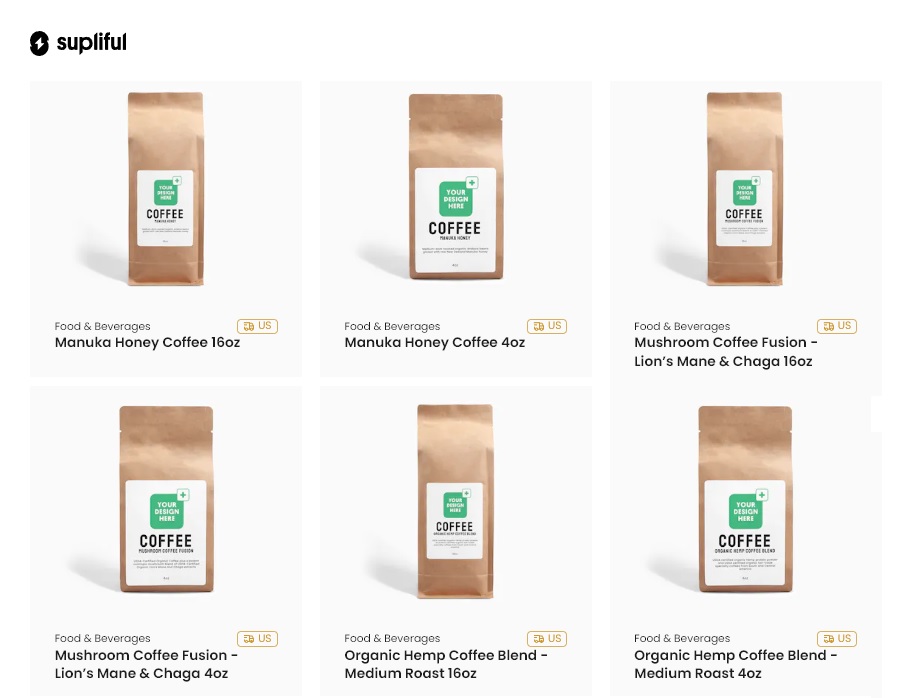
Supliful is another private label coffee dropshipper where you don’t have to hold inventory  or pay anything on a monthly basis. Simply send them your designed label, and integrate with Shopify. You’ll be able to sell right away. 


Private Label Coffee Roasters and Suppliers Guide - Start your own coffee brand today | Product World


Ready-to-Drink Private Label Coffee Suppliers

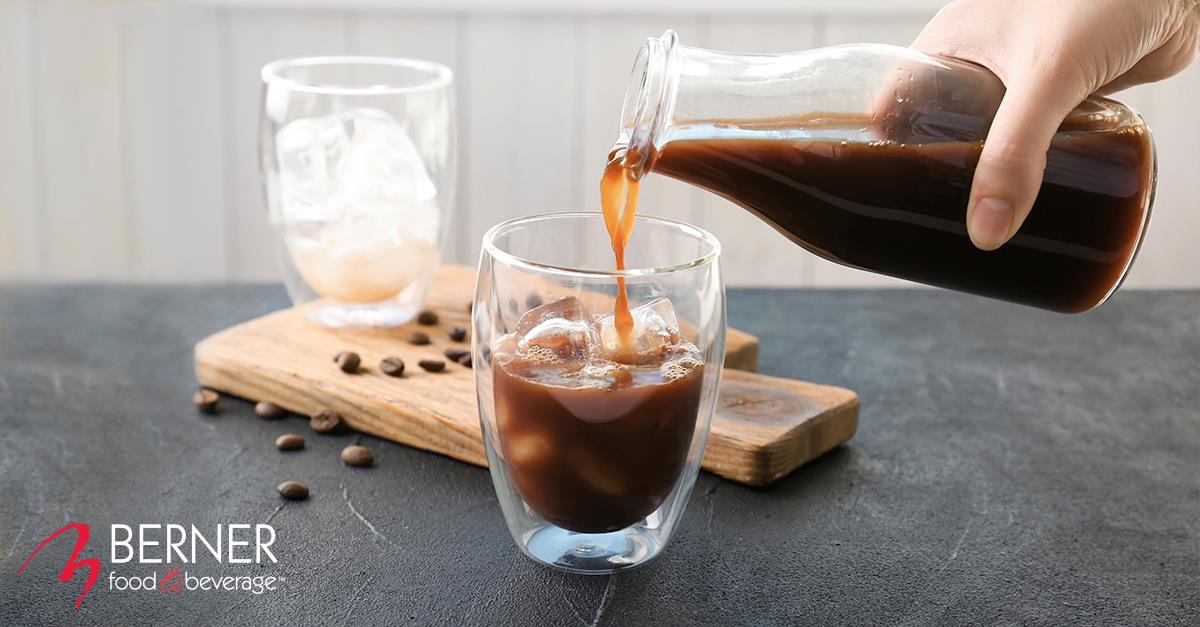
Berner Food & Beverage is a private-label co-manufacturer with a large selection of ready-to-drink coffee and tea beverages. 


Private Label Coffee Roasters and Suppliers Guide - Start your own coffee brand today | Product World


Choose from four flavored cold brew coffee profiles: caramel, coffee, vanilla, and mocha.  The iced latte product line includes more flavors, such as peppermint mocha, pumpkin spice, and s’mores.

They also have many other customizable solutions, like:

  • Coffee (cold brew and milk alternatives)
  • Energy (blends, including those with added caffeine)
  • Tea (extracts and lattes)
  • Functional (protein-enhanced and vitamin blends)
  • Innovation (mocktails and bespoke flavors)

The R & D team at Berner’s can also assist you with rapid market deployment. They collaborate with multi-packaging service providers to get your product canned, bottled, jarred, and custom-labeled with catchy designs.


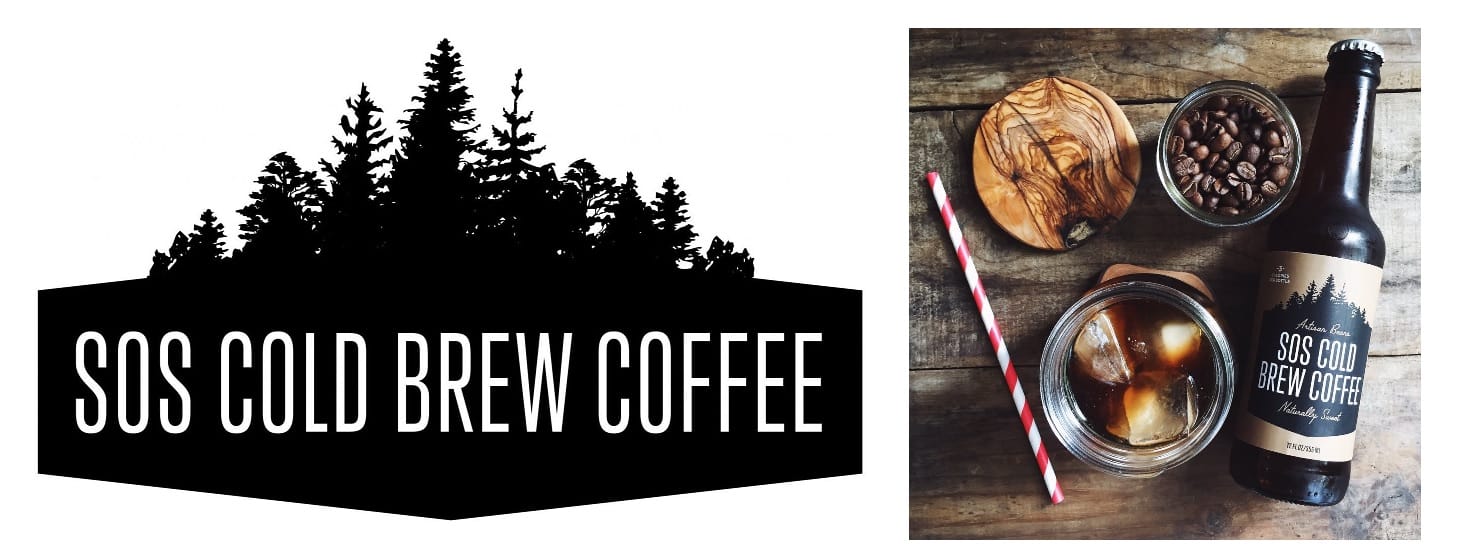
If you want to do bulk cold brew, SOS Cold Brew is a noted cold brew white labeler.


Private Label Coffee Roasters and Suppliers Guide - Start your own coffee brand today | Product World


Hailed as the better, healthier alternative to iced coffee and sweetened drinks, cold brewed coffee products from SOS Cold Brew contain no added sugars or preservatives.

  • Classic – Original recipe, balanced flavors, strength, and drinkability, an everyday cold brew. A 12oz serving provides 174mg of caffeine, and costs you just 7 calories.
  • Bold – 50% stronger than Classic but with the same base recipe, great over ice. A 12oz serving provides 247mg of caffeine, and gets delivered with only 10 calories.
  • Kona – A Hawaiian blend that’s rich and delicious. Serving and calorie info same as the Classic blend.

All products available in 12oz glass bottles, or 5-gallon “Corny” kegs (Still or Nitro pours).


JAVO MASTERS OF EXTRACTION

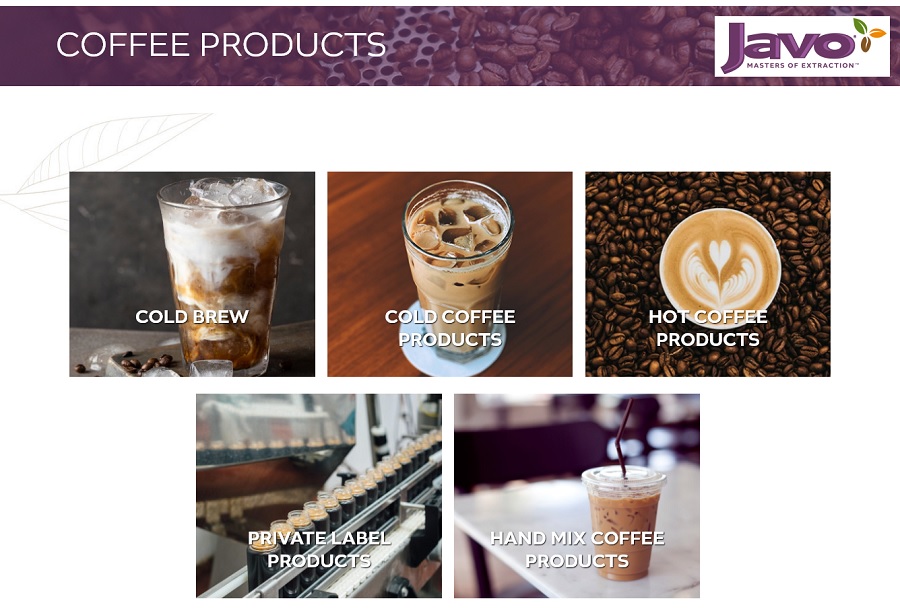
Javo Masters of Extraction are another super white label coffee supplier option, with a natural cold brew.


Private Label Coffee Roasters and Suppliers Guide - Start your own coffee brand today | Product World


Private label product solutions include developing custom bags-in-a-box or hand-mixed cold brew coffees and teas with either own-brand proprietary blends or using existing small-batch, in-house, craft-roasted coffee blends with your own brand.


Custom Coffee Beverages

If you want to do your own fully-custom beverage — whether that’s like a hard coffee, or you want to do a cold brew can or something like that — and actually do like a formulated consumer packaged goods, I’d recommend Tex-Bev in Texas to be your partner for that.


Private Label Coffee Roasters and Suppliers Guide - Start your own coffee brand today | Product World


They’re a great kind of small business with an excellent approach to having a good packer.

They do alcohol, too


Overall, coffee is hyper competitive to actually compete in but there’s still tons of people that sell and consume it everyday with subscription services, and new flavors and any number of things. If you want to get started, this is a pretty darn authoritative list of different ways to do that with different price points.

With any brand or product, it will be a sliding scale. The less work you do, the less you make. Dropshipping means you can expect 10-20% margin.

Buying in large bulk, getting custom packaging in bulk, all custom done, you can make closer to 50%, but with a more up-front cost.


Thanks for reading. Let me know in the comments below how you’re doing, or if you think there’s a private label coffee supplier that needs to be on this list.

– Oren


FOLLOW ME ON SOCIAL MEDIA:

READ NEXT:
The Best Private Label Manufacturers for Skin, Bath, Hair and Cosmetic Products


You can learn more by joining the thousands of happy readers already on my Product People newsletter. I’d be excited to have you in the community!


SUBSCRIBE FOR MORE:


So many DTC (direct-to-consumer) brands are trying to get into retail right now, like Walmart and Target, for example. I’m going to break down why you should start a brand, or act as a brand, not a DTC brand and just how important all these retail channels are. 

Let’s do this. 


@orenmeetsworld

Lets talk about DTC brands going into retail #dtc #retailmarketing #trends #directtoconsumer #ecommercetips #ecommercebusiness @orenmeetsworld #greenscreen

♬ Smooth Hip Hop Trap Instrumental 5 – dj_komplex


Judging by this Census data, only 14.5% of sales happen online! 


Granted, this is way bigger than it was a decade ago but it’s still fractional compared to how much physically happens in the world.

So, if you start your business and you don’t have a plan to attack physical retail, you’re leaving this huge market on the table. 


A lot of brands also don’t want to sell on Amazon, but guess what? If you see a product on Tiktok, and then you want to go buy it, I would imagine 50% of the people are going to search to buy it on Amazon.

If you’re not there, you’re missing out on a lot of sales because people often take that second step – the purchase decision – when they find what they’re looking for.

In addition, you can’t always control the results about what’s on Amazon if you’re not on there. 


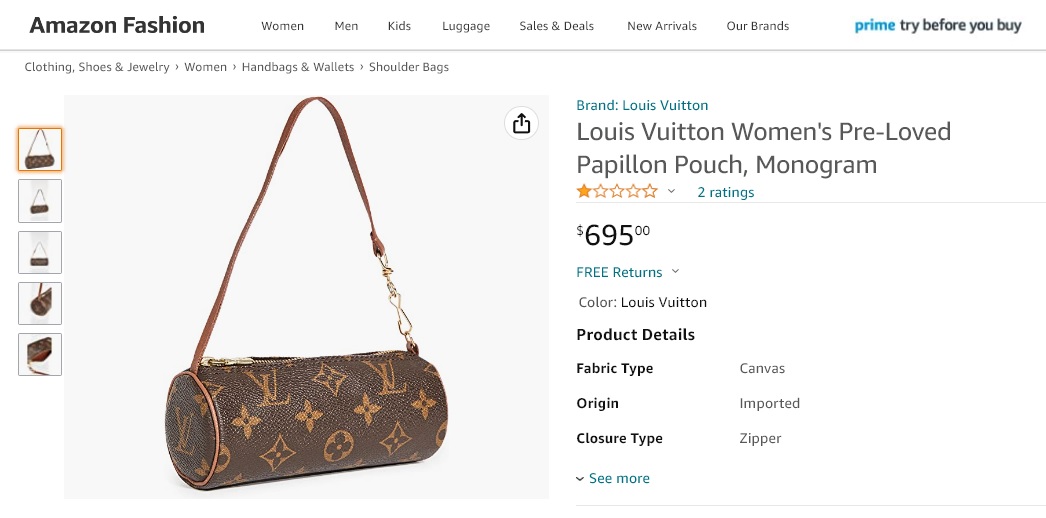
This is a fake Louis Vuitton bag with two reviews saying it’s fake showing up at Prime shipping on top of the page in the first results for Louis Vuitton.

If they had a better strategy to engage this channel, then they’d be able to prevent this. These are things you should think about for your brand as well. 


With Rimowa and their high-end luggage which people might want to buy on the spur of the moment for a trip, there’s nothing available on Prime.

Some cases don’t even have a price, and their resellers are getting all the margin that comes from approaching it on Amazon.


Considerations for DTC brands going into retail

I’d like to start a brand that I want a strategy for: 

  • How do you launch online? 
  • How do you have a couple of specialty retailers that you’re able to engage with and build a feedback loop about how you’re going to succeed at retail? 
  • Do you have a plan for Amazon and other retail? 
  • What other things do you have to consider? 

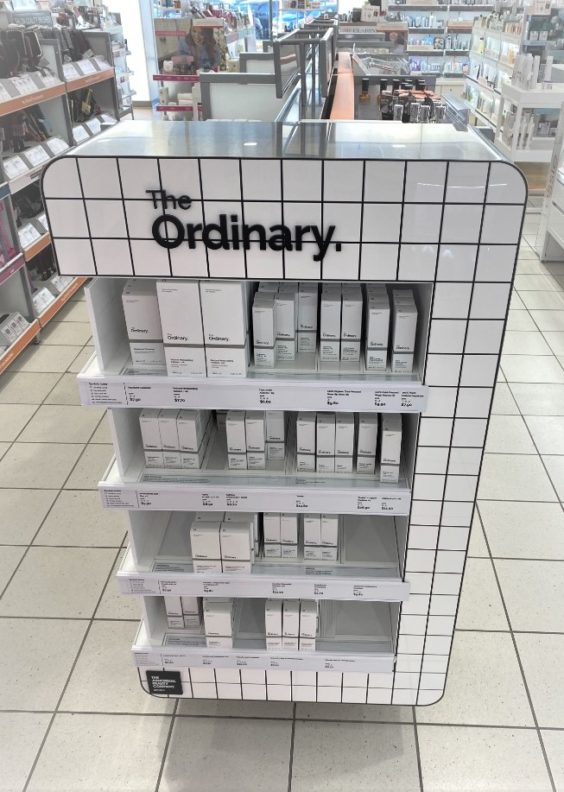
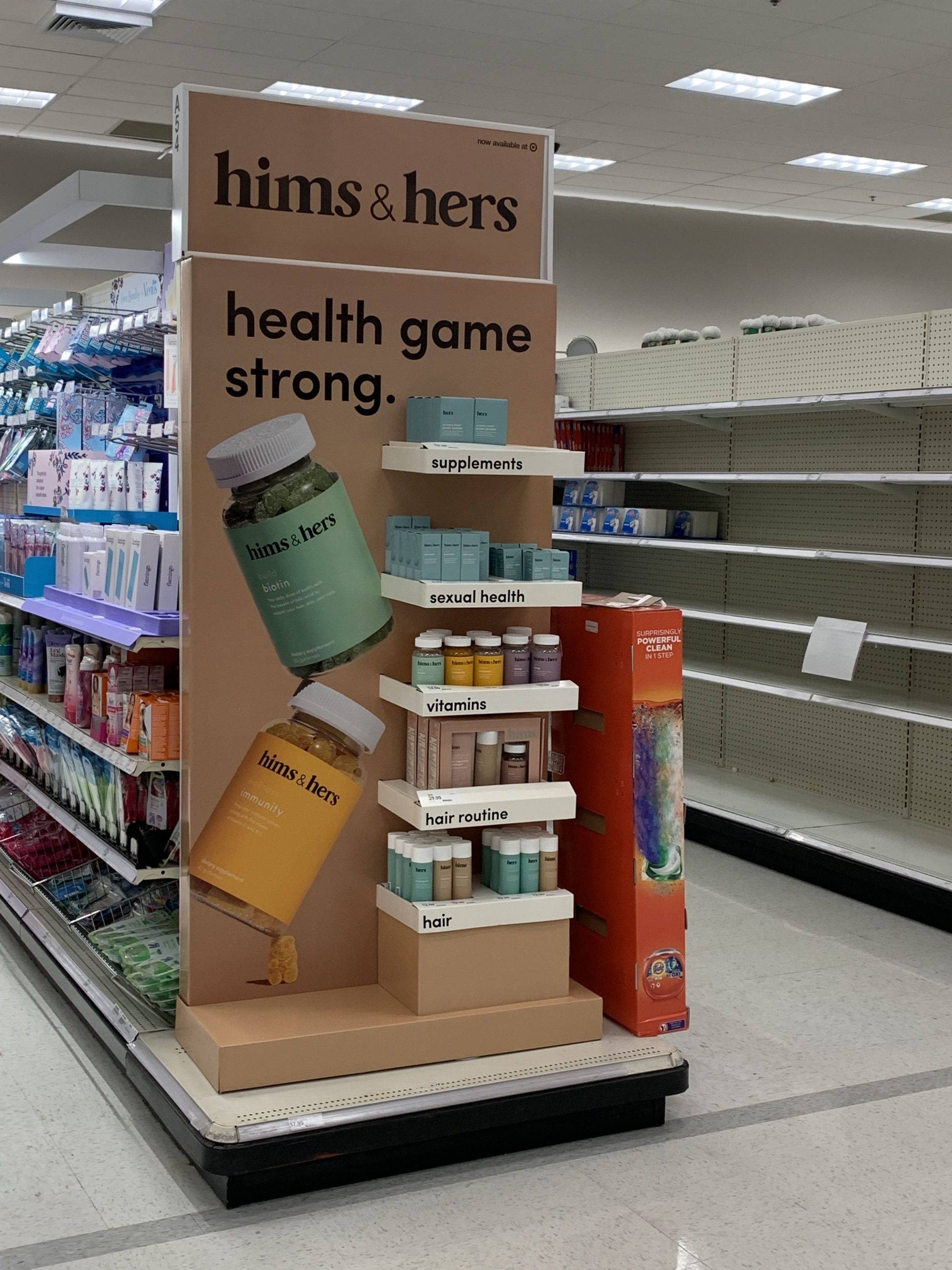
Well, going into retail, you have to consider how your product is going to be presented physically. This retail display is known as an end cap.


Not only do you have to produce these end caps or produce whatever your product is going to be on if it’s going to be displayed on the shelf.

A lot of vendors will charge you money or a percent of revenue to get that level of featured space.


Hims definitely paid a significant amount of money to get this those pharmacies, to be able to push this in front of new consumers… and they paid the money to fabricate all these things.

You don’t have to stoop to that level though, but you do need to think about what your merchandising looks like. Is it just your products on the shelf, or do you need a display unit like cosmetics use?

(I like to reference the cosmetics industry because their point-of-sale marketing is extremely refined.)

In addition to what it physically looks like in retail on a point of sale, you need the logistics of shipping, margin, and returns. you also need to think about MDF (or marketing development funds), which is what a lot of these existing retailers ask for to be able to push your product out there.

Either way – because of the size and breadth of the market, and the level of competition – if you’re starting a brand today, you need to think of it as a brand across retail, online and Amazon, not just DTC.

Strategize accordingly!

– Oren


FOLLOW ME ON SOCIAL MEDIA:


This is how you take a standard product and make it stand out. Satisfy Running is a great example of how to nail down on your customers’ user experiences, and create a fantastic product you can sell for a premium. There’s also my free product development guide on building a private label activewear brand in this niche.

Let’s do this.


By the way, if you missed my TikTok short on this, you can catch it below, or scroll to keep reading here on the blog.


@orenmeetsworld

How do you take a basic product and make it work for your niche? Lets start with how to make a stsndout activewear product @orenmeetsworld #fashionbrand #fitnessbrand#activewear #productdevelopment #ecommercetips #trends

♬ Close Eyes – DVRST


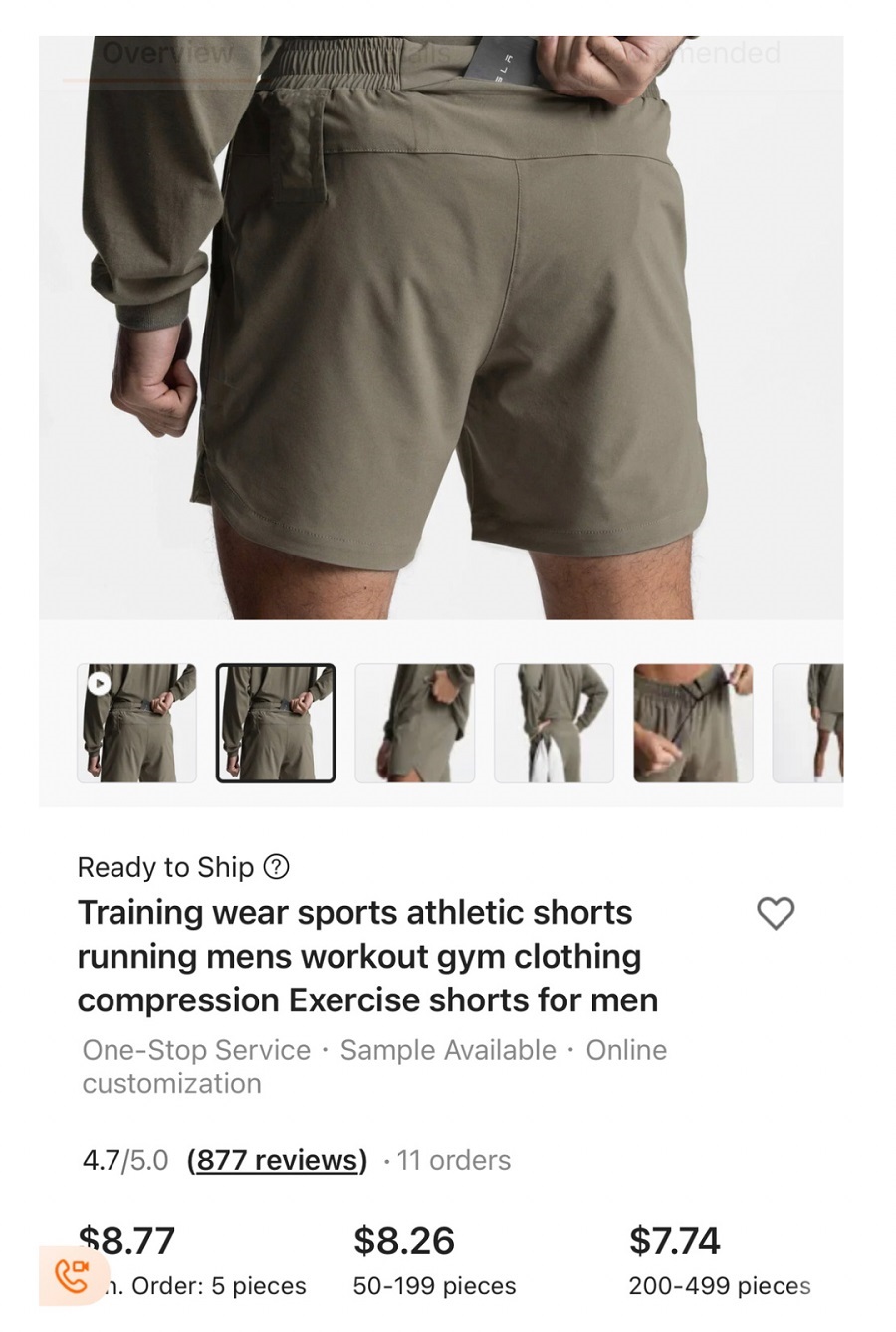
There are dozens of companies on Alibaba that offer basic polyester shorts for activewear. These designs are relatively well thought-through and modern, in an affordable price range.


Private Label Activewear Vendors +FREE Product Development Guide | Product World


These above will run you about $7.75 each for 200 pairs.

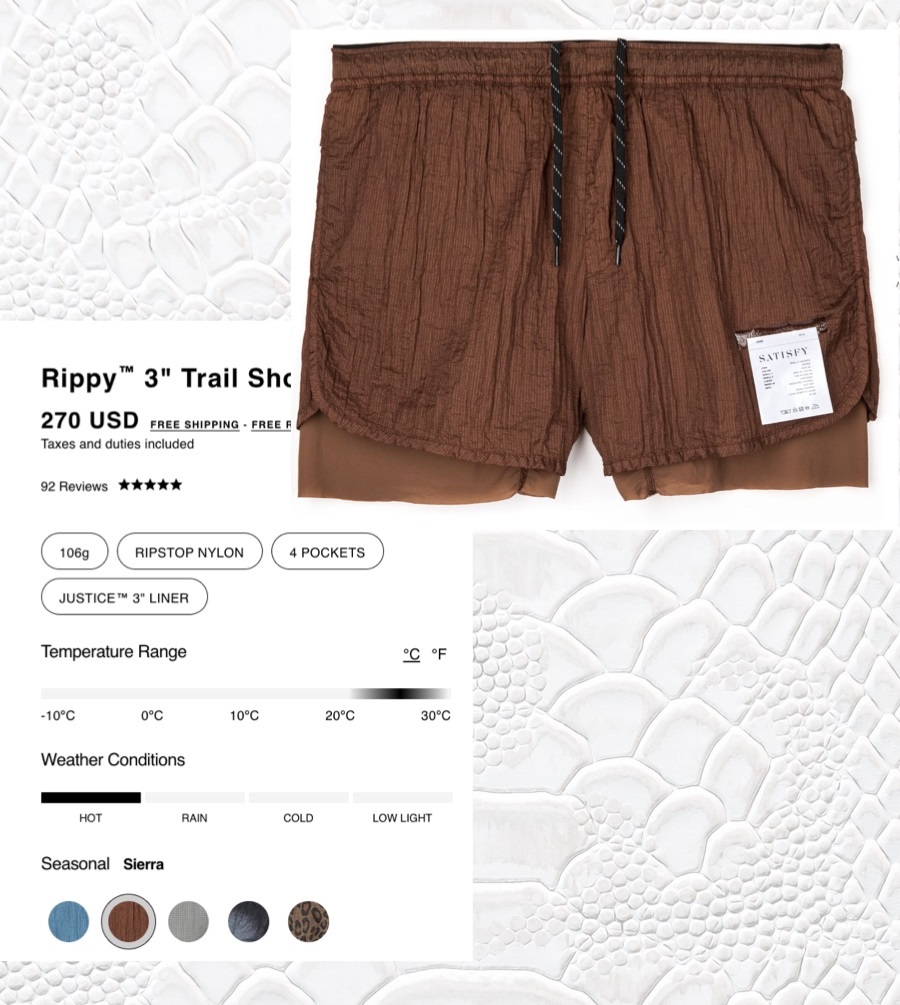
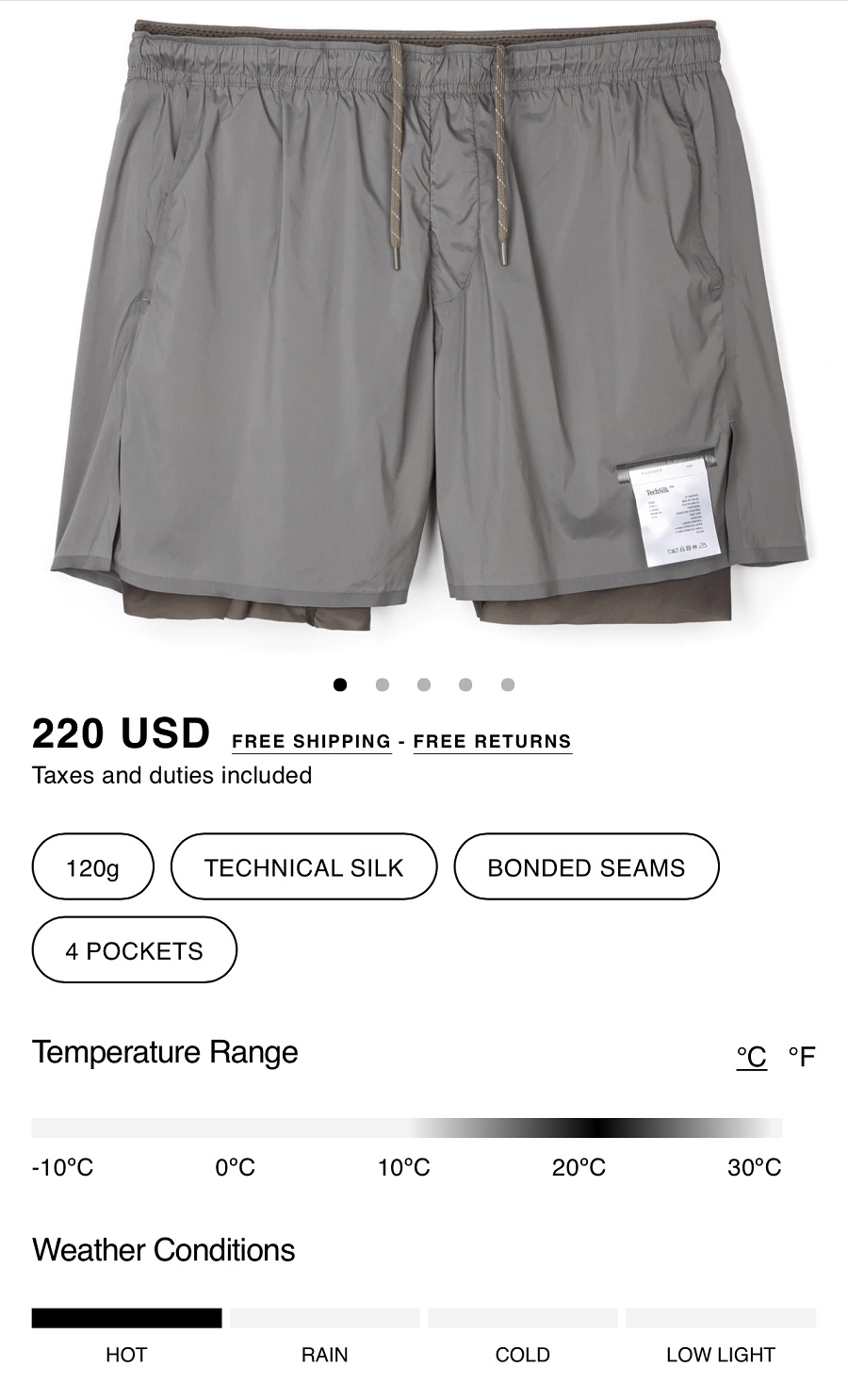
This pair from Satisfy costs $270 because they’ve really zeroed in on the intense, long-distance runners’ user experience.


Private Label Activewear Vendors +FREE Product Development Guide | Product World


So, how do you take a short and customize it to be effective for a target niche?


Creating the Perfect Private Label Activewear Brand

This comes down to the user experience for exactly the sport or whatever active lifestyle element that your customer is looking for. So, what Satisfy has done is to make all of these little features that are perfect for the long-distance runner.


Private Label Activewear Vendors +FREE Product Development Guide | Product World


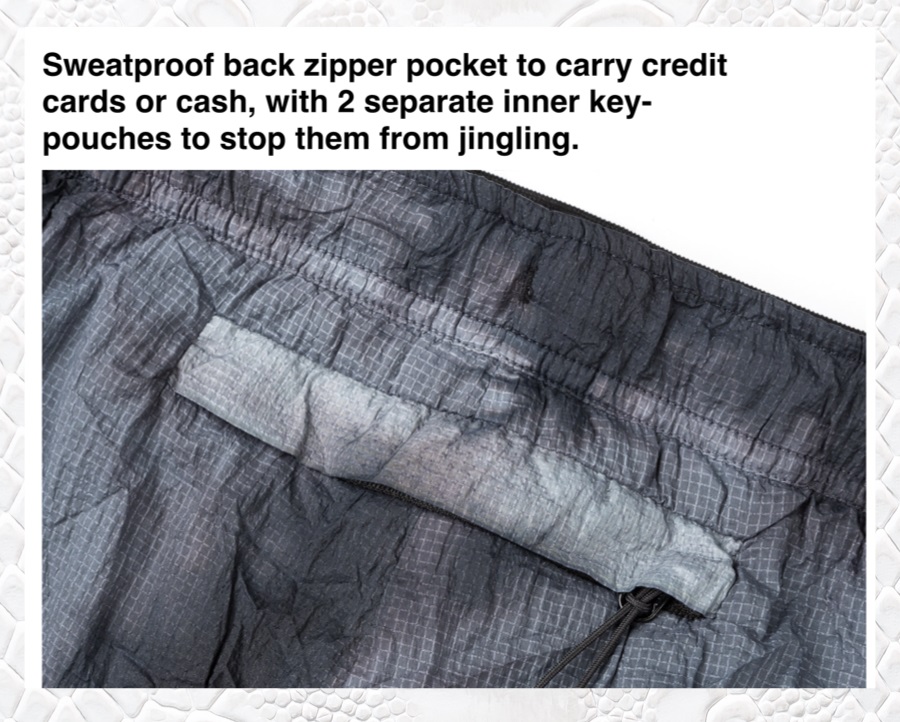
These features include things like this sweatproof back zipper pocket so you can carry your credit cards and cash with you. It also has inner key pouches to stop your keys from jingling in your pockets as you run.

As any long-distance runner knows, these are really annoying things that you need to think about while you’re running.

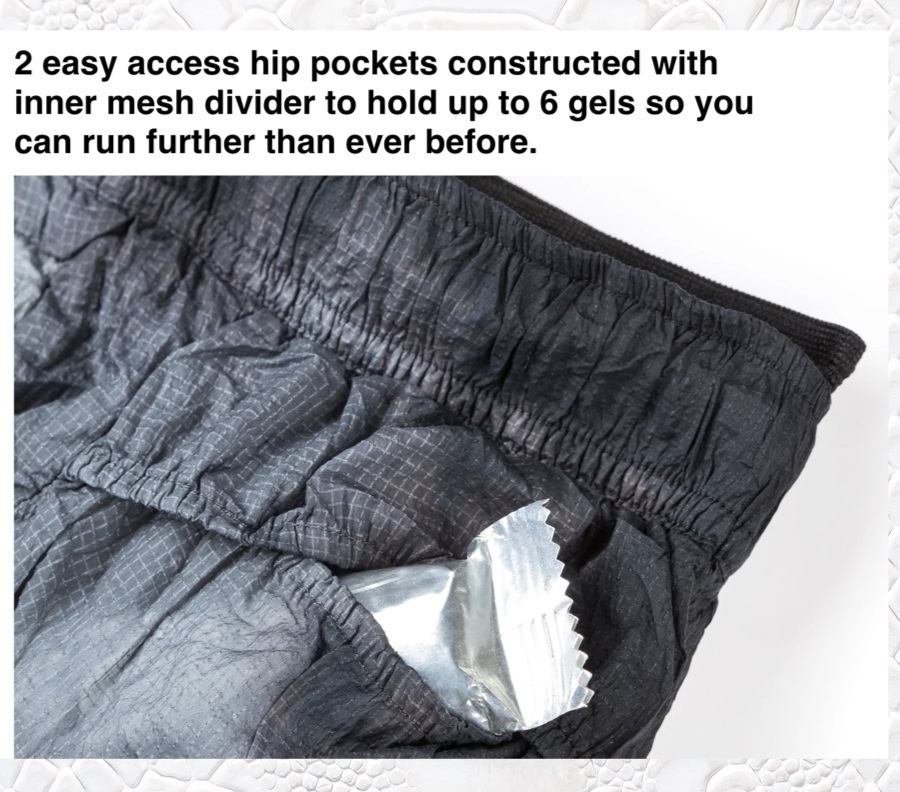
Follow this up with hip pockets that carry the gels you use to hydrate and get fuel in on a 10+ mile run.


Private Label Activewear Vendors +FREE Product Development Guide | Product World


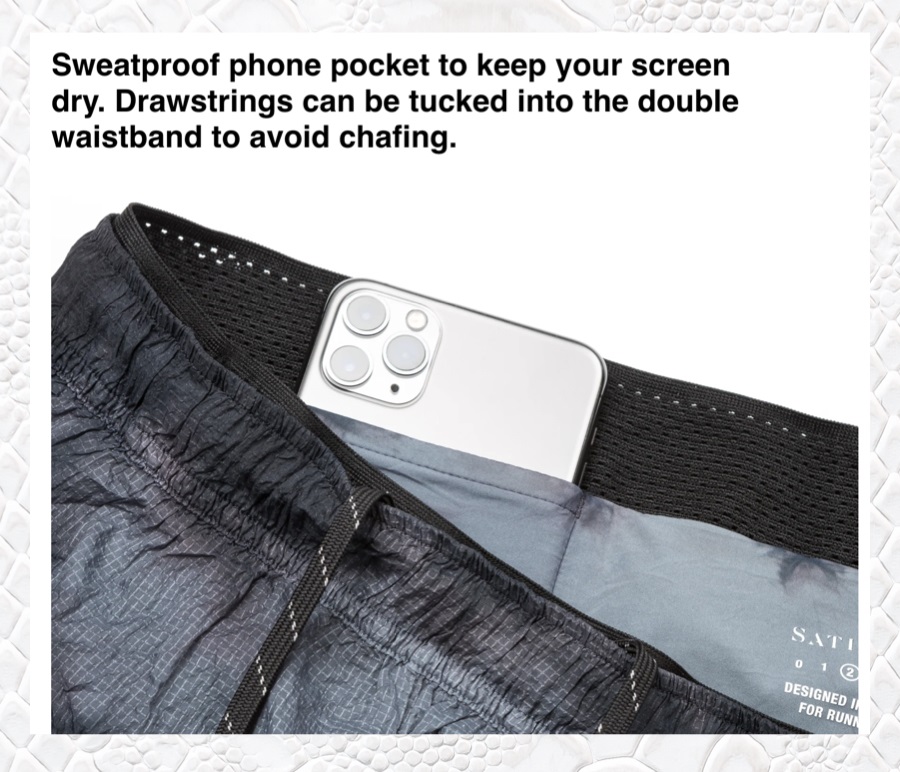
There’s also a sweatproof phone pocket that’ll keep your screen dry. The pocket is on the inside (not the outside) which is key for running.


Private Label Activewear Vendors +FREE Product Development Guide | Product World


The drawstrings tuck into the double waistband to avoid chafing, and also so you don’t have them just flying around while you run. A great addition is the mini carabiner you can use to clip in valuables or jewelry while you run, which can also be stashed in the double waistband.

All of these visible benefits add up to the perfect user experience while you’re running.

So, if you’re designing activewear for a specific niche like yoga, baseball, lacrosse, etc., how can you find all these little details and add to the base short so your customer feels your product is speaking directly to them?

As a distance runner, I’d look at this product and think, “Okay. I’m about to run a marathon. I’m going to be wearing these because they have the perfect user elements for what I need as a distance runner.”

Now, how can you achieve that in your target niche?


RELATED READING:
How to Build a Brand in Activewear and Supplements


Using Style and Design as Differentiators

In this cheetah print (that I love, by the way!), you’ll see the detachable care label. I don’t have to remove the tag to avoid chafing, but the option is there if I want it. There’s also the unique style and design of it to consider, as well.


Private Label Activewear Vendors +FREE Product Development Guide | Product World


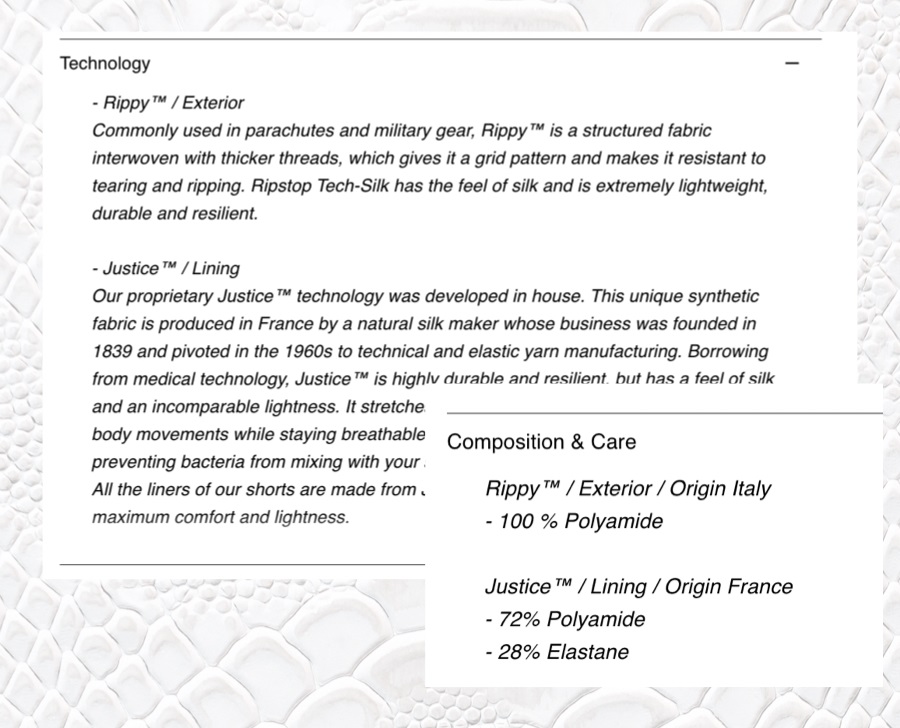
A super-crucial thing to consider is materials. All of those Satisfy designs are using 100% polyamide, or 72% polyamide and 28% elastane blends, which they’ve actually created themselves as part of their process.

All the shorts I’ve shown you are usually going to start off as polyester, but what you’re going to want to do is identify other high quality products and ask your vendor if they can find similar materials or things that will produce a similar effect.

Polyester really isn’t a great material, and I believe there could be a great opportunity to offer these shorts in linen and some other, more-natural fabrics. Either way, experiment with this, look at what the blends are (because they’re listed on almost any product listing these days) and then ask your vendor for what that better material is. That’s going to be the big thing that sets your product apart.

Hope this introduction to private label activewear was helpful for your product ideation. Let’s take a look at product development next.


Private Label Activewear Product Development Guide

So, what separates one product from another larger, more successful product is:

  • a great supplier
  • innovative designs
  • brand authenticity
  • a sense of community
  • and content.

I’m breaking this down with a particular emphasis on activewear. The factory link below is the perfect vendor to get started with your own private label activewear brand.


I break all of this down in my TikTok short on product development for private label activewear brands, using Satisfy products to guide you. Watch it now or scroll to keep reading here on the blog:


@orenmeetsworld

If you want to start an activewear brand, heres things to consider #fashionbrand #clothingbrand #fitnessbrand #sportswearbrand #activewear #ecommercetips #ecommercebusiness @orenmeetsworld

♬ original sound – Oren John


This is a $220 pair of running shorts from Satisfy Running, a cult brand who makes super performance items for specific sport niches.


Private Label Activewear Vendors +FREE Product Development Guide | Product World


Here’s where the real brand advantage is:

  • take a specific niche (like running) and create the highest end product you possibly can
  • add every little user experience detail you can think of to your design (like pockets, pain point solutions, etc.)
  • now charge a premium for it.

This is a pretty extreme example of a premium for a pair of running shorts, but this is an activewear vendor from Alibaba. Most of the scaled activewear is made in Vietnam or Cambodia (not China) and you can get some pretty decent, high quality stuff on the platform.

You’re looking at $7.74 at scale for those. They’re also a blend in a similar way, featuring customized pockets, etc. While they’re not quite as customized as Satisfy is, you can still take a vendor like this and work with them.


Differentiating Your Product From Other Activewear Brands

One of the key things in your design that’s a major differentiator is materials. That’s also definitely one of Satisfy’s key differentiators, and that’s because they’re made of 72% polyamide and 28% elastane.


Private Label Activewear Vendors +FREE Product Development Guide | Product World


There’s a significant difference between these and say, a typical polyester short. The blend is definitely of better, more-durable, and longer-wearing quality than plain polyester is, for instance, in the long-distance running niche.

You can take information like this and approach manufacturers to find out of they can replicate it. Send them links to the shorts, or better yet, send them a sample of the shorts and ask if they can improve on the materials, design, or user experience.

There is currently a big, untapped advantage in linen or non-polyester/non-poly-based activewear, really. There are so many runners and athletes getting into the idea that comfortable may not always be good for you line of thinking, and that includes their clothing.

The big opportunity is to niche-down in this, and here’s what I would do:

  • find a vendor that’s already “invented the wheel” (like Satisfy) for what you’re trying to create
  • make a list of similar vendors you can approach that are more affordable yet can also solve the specific user problems your product will offer
  • reach out to bridge the gap of how you can create your own material blends and designs that solve those problems for a niche sport.

This is a great approach to get you started on building an activewear brand of your own.

If you’re looking for a vendor to do it with, I recommend Guangzhou Jinfeng Clothing Co., Ltd.

Their designs have been featured here in some of the images above. They also have a bunch of ongoing sales and lots of existing styles to choose from.

Talk to them and work with them on what you can customize. Let me know how it’s going in the comments below or anywhere you see my tips and tools.

My newsletter drops with more like this. Sign up now and be first in the know.


You’ve got this!

– Oren


FOLLOW ME ON SOCIAL MEDIA:


Frazer Kinsley chats to us on the best ways to scale logistics for a products-based brand, in an effort to help shed some light on how to approach these more complex parts of a product-based business.

One of the biggest concerns new entrepreneurs have is how to handle logistics for their new business. Shipping, warehousing, supply chain, forecasting… its a LOT to understand. This is therefore a must-read for really understanding the basics of logistics for your products business.


Tell us a bit about your background

I’m the Co-founder and Managing Partner of Kinsley Partners, a seed/early stage venture firm focused on CPG, and industry-adjacent investments and consulting.

My family has been involved in E-commerce since the early days, when my parents were some of the top resellers of Swatch watches in the world. This was during the “Swatch Watch craze” of the 1980s/90s. I had no intention of getting into e-comm/supply chain originally, though.

My dream was to be a Navy SEAL but I suffered a career-ending injury during that training that put me out of contention. I didn’t really have a plan after that, so I went to work in an entry-level ops job at a supply chain/procurement tech startup in New York City, USA, to get my foot back in the door.

During that time, I started Kinsley Partners with my brother, Jake. Kinsley Partners was a way to invest in early-stage consumer brands.

Fast-forward a few years and I started a 3PL called Hook Logistics with two other guys, which I exited last year.

I currently work in a few roles at a few different companies, but my overarching focus has been – and continues to be – in supply chain management within the consumer goods space. My scope ranges from SMB, all the way up to publicly-traded companies.


Talk to us about logistics… what are some key terms and ideas new product creators should know?

Let’s face it: you hear the words ‘logistics’ or ‘supply chain’ and you either get bored, pissed off, or both. I find that often when a brand’s supply chain and logistics aren’t in order, it’s due to a lack of knowledge that leads to inaction, more than anything. But, it doesn’t have to be that way!

When you’re first starting out, you’ll have input from 100+ directions on how to ship, warehouse, fulfill, distribute, replenish, etc. all of your products and product lines. My advice across the board is: keep it simple.

This will remain true as you grow, but is especially important in the early days. Other than that, constantly look to evaluate your supply chain. Like marketing, there are tons of cost levers that you can pull on at various points in your product journey to help manage costs.

As far as terminology goes, you could probably write an entire dictionary on all of them. It may sound silly, but for creators starting out, Google will always be your best friend. My recommendation for newer operators is to speak to as many non-vendors (or potential vendors) as possible. Whenever someone mentions a term you don’t know, write it down and Google what it means after the call. Sounds rudimentary, but you’ll be surprised how quickly you’ll pick things up.

There are also tons of blogs and guides out there that shed light on basic terminology and strategy for newer brands. You can find a free version on my Gumroad page if you’re looking for a place to start.


Get the comprehensive Kinsley Partners Supply Chain Playbook for every new DTC, CPG, and apparel brand… tested, implemented, retested, and refined.


What do you look for when evaluating a 3PL partner for a scaling brand?

There are myriad factors that go into evaluating a 3PL on the brand side, but there are some foundational questions that every brand should be asking themselves and prospective service providers:

  • What type of product are you selling? Some 3PLs are better suited for low cost, high volume. Others the opposite. Totally depends on that 3PL’s expertise.
  • Do you have any special needs (temp/climate control, specific storage method, perishable)? Not everyone can offer what you need for your product. Just because a founder-friend who owns a cosmetics line recommended a 3PL, doesn’t mean it will be a good fit for your food+bev brand.
  • How big are your products? That’s great that the folks at Burrow recommended their 3PL, but if you’re selling headphones, that might not be the 3PL for you. Moreover, if you’re selling couches, some 3PLs don’t want the space taken up.
  • Do you require kitting? Subscription/sub box management? If you have multi-step kitting or boxing requirements, some 3PLs are better suited for that high touch service than a strict volume player.
  • What’s your [projected] throughput? Let’s face it: the less volume you do, the less options you have. The deal they gave the $50M company probably won’t be extended to the pre-launch brand. Some 3PLs also have higher monthly minimums that won’t work for emerging/nascent brands.
  • What channels are you selling through? Do you require EDI compliance? FBA prep? FOB into distribution? Not every 3PL serves the same markets. Some focus strictly on e-commerce while others focus on distribution, FBA, and FOB, while others can handle omnichannel.

Ultimately, your 3PL is not just your service provider, they’re your closest business partner. Their success is largely dependent on yours, so they have skin in the game, too. Aligning incentives as both a provider and as a customer can ensure a long-term and effective partnership.


How has the logistics behind scaling warehousing and delivery changed over the last few years?

The industry seemingly changes everyday, but some of the biggest changes that I’ve seen recently is the modernization of the 3PL fulfillment model.

Historically, warehousing and fulfillment has been a black hole where brands are pretty much forced to choose the “best, worst option” of a few conglomerates and send their goods to a random warehouse that they can’t even get an email response from.

In the past few years however, there’s been a democratization of sorts in the industry with a rise in boutique, local, regional, and specialty 3PLs. While certain industry names tend to dominate the conversation, there are way more and way better options these days, especially for emerging brands.

Simply put, the scale and service that were previously reserved for larger brands, are now more accessible to emerging brands.


Any essential software or subscriptions you recommend to entrepreneurs in this space?

This is where I differ from most, but it’s really going to depend on your situation. I see a lot of “must-have tech stacks for $X million brands”, but I’ve worked with $50M brands that run their ops on a Google Sheet.

Is it scalable? Most times, no.

However, I think your tech stack should ultimately fit what you need and provide a foundation for scale. That being said, I believe every brand needs:

  • Some sort of accounting software (I like Quickbooks the best).
  • A way to track inventory. Some do this in Quickbooks, some in a spreadsheet, some in a bonafide ERP or IMS [Inventory Management System] in which case I’d go with Skubana.
  • A way to track orders. If you’re going single channel to start, you’ll be fine with managing this in your Shopify or Amazon account. As you scale up and/or add channels though, a proper OMS [Order Management System] becomes more necessary. In that case, there’s no alternative to PrettyDamnQuick in my opinion. I’m an advisor there, but hold firm that it blows other OMS’ like ShipStation out of the water.
  • A way to manage customer service. Of the four areas on this list, this is the area I would never skimp on, whereas the others are all technically replaceable. Make sure you’re using a system that works specifically for ecom. If your systems don’t “talk” to each other, they just become clunky and useless. Kustomer and Gorgias are the two options I’d recommend here.


Any thoughts on DTC vs retail vs Amazon for new brands?

There’s a lot of noise on this topic, but I go back to, “What works best for you will ultimately be your best path”. DTC is great for increased margin control and customer interactions/insights. Retail is great for product exposure and cheaper customer acquisition. Amazon provides a turnkey solution and a marketplace setting with millions of MAUs.

IMO, 95% of roads lead to omnichannel, so there’s a good chance that most brands end up selling through all three of these channels eventually, anyway.

On a fundamental level, the question I ask is “Where can I best meet my customers where they’re at?” Customers may be looking for less expensive commodity items on Amazon, their favorite influencer’s makeup on their Shopify store, and their favorite regional cheese at their local Erewhon.

It’s about meeting your customers where they’re at, however that ends up looking for you.


What should new brands consider or make sure they learn about as they go into retail?

I think the biggest one is by far the financial implications. Retail is a great flywheel, but there are some hefty startup and maintenance costs that can be barriers for entry. Having an airtight command of your cashflow, unit economics, gross margin, etc. are absolute non-negotiables. Without an idea of your financials, you’re jonesing for a world of hurt.

Net 30/60/90 day terms are not uncommon in retail, and while you may be ripping the cover off the ball in stores, that cashflow conversion rate can be a killer. Additionally, a lot of folks bemoan the margin creep that can happen in retail.

The fact of the matter is, a lot of those silent killers can be mitigated by an understanding of your cost to serve and target/actual gross margin.

Beware of “retailer/distributor mandated” processes as well. For instance, I have near-daily conversations with founders that didn’t realize they could switch their UNFI/KeHe freight off of FOB and save 10-20% on transportation costs.

If you don’t ask, you don’t get. If the deal isn’t what you want it to be, ask for a concession. Never hurts to try.


Any tips or tricks for long term success in the space based on your experience?

Be you and put the blinders on. Our industry is like any other one: infinite streams of information, drama, this vs. that, “who’s who” – it’s all bullsh*t. Define what success means for your business and have a single-track focus each day to do things that get you closer to success.

The next biggest thing is to value [real] relationships in this industry. I’m convinced we have some of the smartest, most talented, and most generous people in the world in this industry. You either contribute to that sentiment, or detract from it. Here, the winners are always the ones that do right by their vendors and their colleagues; full stop.


What innovations or technology would you like to see come to DTC business operations?

I think we’re already starting to see it, but I love how forward-thinking the marketing community in DTC has been with dashboards and data aggregation. I always joke that DTC is a data scientist’s paradise with all the inputs and outputs, so it’s great to see that portion of the industry hit the mainstream.

I’d been working on a pet project with some others in the industry a few months back, but a Triplewhale/Northbeam style ops control tower is something we had in mind, and would be a great addition, IMO. We used to offer this in the form of PowerBI/Metabase dashboards to some of our customers, but a more robust and interactive layer would be great for operators, especially in the early stages.


What are you working on next?

Aside from my core work, my side project for the past year or so has been on a concept called ‘Linkt’. The idea spawned out of the early days of sourcing and distributing PPE during COVID for smaller hospitals and healthcare clinics that didn’t have access to the emergency stockpiles that larger institutions did.

Since then, we’ve sort of discreetly worked on projects ranging from establishing oxygen concentrator and respirator supply chains in rural India for the government’s Delta variant response, to our most recent project where we set up the first wholly civilian supply line directly into Ukraine and raised $1.5M in donations for displaced citizens.

The goal with Linkt in 2023 is to formalize this disaster relief and austere supply chain planning into a bonafide foundation.


This interview forms part of a series of interviews with brand specialists and product strategists. See other interviews here.


PRODUCT PEOPLE – LEARN HOW TO BRING PRODUCTS TO LIFE!

There has never been a better time to launch your own product. Learn more about logistics and supply chain management today.

Join 6,200+ happy subscribers on my Product People email list. Access product playbooks, factory links, and insights for running your own brand direct in your inbox, FREE. Subscribe now.