You need to be going faster. The speed of 2022 and onward is lightspeed. Your brand evolves in hundreds of micro-moments. Go faster, and don’t sacrifice quality to do it.

The secret to success with your own supplement brand is finding the right white label partner. Here’s a list of the best supplement vendors out there:
The market is ripe for individualized sports performance and supplement brands:

We all see the noise around Athletic Greens. There’s 50 similar products on the shelves at your local Sprouts–they stood out with value proposition, audience, and tenacity over time.
This isn’t about knocking off popular products; Everything about supplements is commoditized. It’s about who consumers trust to buy from and what added-value you can give them (bundle with info products, tests to help find the right fit, sustainable approaches, etc).
The most interesting white label supplement to watch is Supliful, who focus on making products for creators and those with a personal brand who want to leverage their audience (versus helping an entrepreneur launch a brand). They make it dead-easy across categories, including:
Using Supliful, you never touch a product or inventory, and just see the net profit. Set up a connected store, and customize product with their product catalog. The main value proposition for Supliful is if you have an existing audience, launch in 7 days or less for only $149.
Hat tip to @JamesonCamp who mentioned this on last week’s Tab Talk podcast:
Next up is JW Nutritional, known for protein blends and in particular, those with plenty of other options like vitamins, probiotics, etc. They drop-ship as well, which makes them a great one-stop-shop if you don’t want to hold inventory.
Vitalabs is great because they have a wide variety of niches already laid out to work from – including halal certified, vegan, etc. Their portfolio spans:
Tru Body Wellness is an awesome low minimum order quantity (MOQ) option. Starting at 500 units for custom formulations or 100 units for their existing products, with a large catalog of options.
There are plenty of providers out there, make sure yours has a GMP facility and FDA certification, and the more services they offer (dropshipping, labels, packaging) the better for ease. If you want to get more margin in exchange for your work, you can handle the logistics.
Thanks for reading. Let me know in the comments below how your brand has been doing, or if you think there’s any private label supplement suppliers that should be on this list.
– Oren
Twitter: http://www.twitter.com/orenmeetsworld
LinkedIn: http://www.linkedin.com/in/orenj/
TikTok: https://www.tiktok.com/@orenmeetsworld
Check out 2 newsletters from my best friends, James & Colin
NanoFlips – Learn the art of buying, growing, and selling websites with James Camp:
https://www.nanoflips.com/
Free Smoke – A Cannabis business newsletter by Colin Landforce:
https://freesmoke.xyz/
READ NEXT:
The Essential Private Label Coffee Suppliers Guide
I wrote a Twitter thread about coffee accessories a while back. These have a huge opportunity in organic social right now, as do coffee bean and cold brew products. This is your guide to private label coffee roasters and their brews, and the private label coffee suppliers who keep their inventories fresh.
Let’s do this…
Caffeine culture dominates on Instagram and TikTok.#coffeetiktok has 2.1 BILLION views
Here's five products with breakdowns you could launch in this niche 👇🏼
— Oren John (@orenmeetsworld) April 30, 2022
The #1 question I got after my Twitter thread? “How do I sell actual coffee?” Bingo!
I thought this niche would be saturated… But after some SEO research, I realized it’s not. There’s plenty of space in your local markets to get in on the ground floor and establish a name for your brand, and I’ve got just the list for you.
Terms you should know in this post:
Get all the intel – in a nutshell – in my TikTok short below, or scroll to keep reading the expanded version.
@orenmeetsworld How to start a coffee company, with manufacturers who can make your brand #ecommercetips #entrepreneurtok #coffeebrands #coffeetiktok #coffeetok #ecommercebusiness #coffeeaddict @orenmeetsworld
Established in 1840, this brand is said to be the oldest coffee merchant in the US. Gillies Coffee is a small-run coffee bean supplier with a low MoQ of just 72 units to start.
Plus they have a bunch of cool and fun old packaging that you can use. There’s plenty of options to choose from, lots of flavors, and green beans (a nice term for SEO and popular on social).

Gillies Coffee is an easy way to get started, especially if you want to test selling it in-person.
Dripshipper charges a monthly fee and they take care of everything,
The perfect solution for those who want to wake up tomorrow morning and process 1,000 orders by sunset.
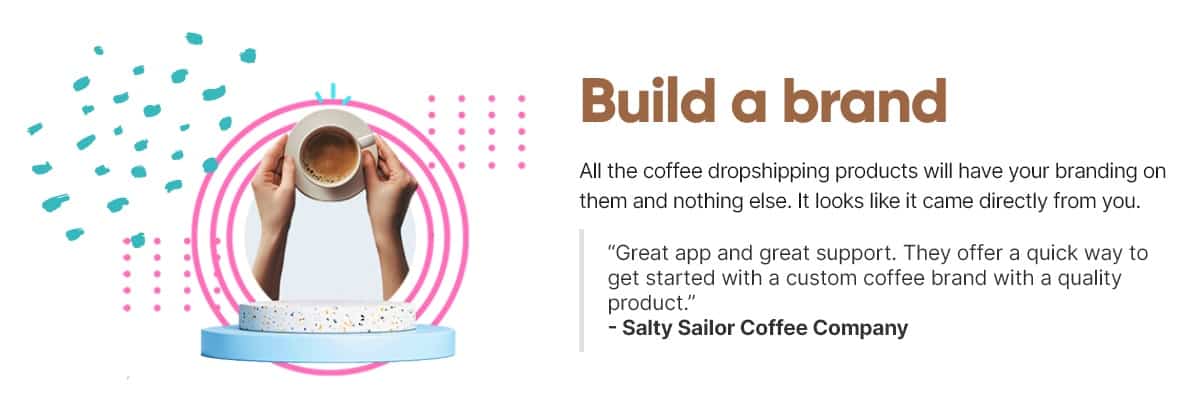
If you truly want to do the minimum amount of work possible, Dripshipper lets you add your logo, choose from their existing coffee options, and sell but you’re going to get a much lower margin. So, the lowest profit option, but least work and upfront cost.
If dropshipping sounds like your best bet, here’s another private label coffee supplier you can take a look at. Calioh Coffee offers the whole spectrum of options, including:
No monthly fee here so they’re a little different to Dripshipper above. However, this one needs more time to set up. You need to take this one seriously because it’s going to take more of your time to get it just right.
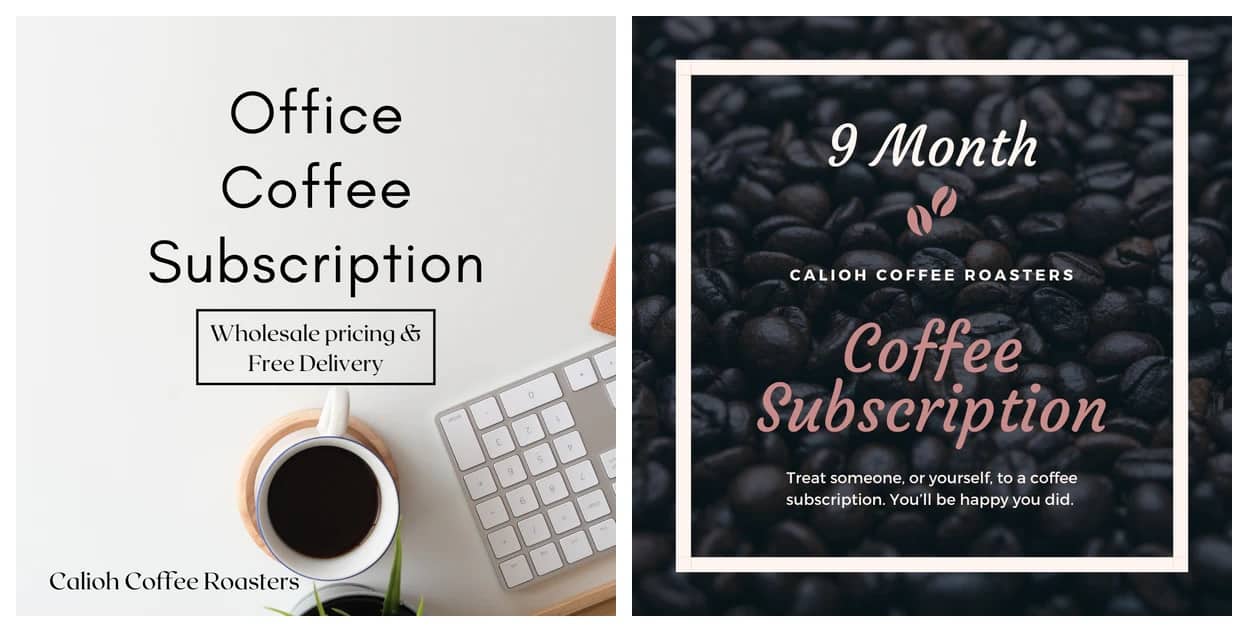
With 100% satisfaction guaranteed, this is probably the one I’d choose if I was going to do a brand.
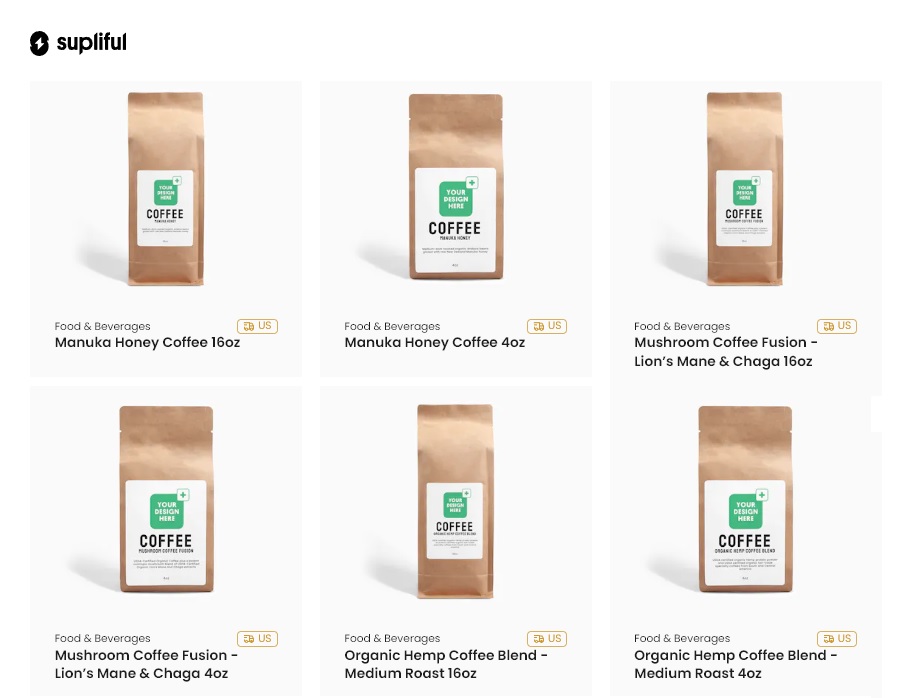
Supliful is another private label coffee dropshipper where you don’t have to hold inventory or pay anything on a monthly basis. Simply send them your designed label, and integrate with Shopify. You’ll be able to sell right away.
Berner Food & Beverage is a private-label co-manufacturer with a large selection of ready-to-drink coffee and tea beverages.
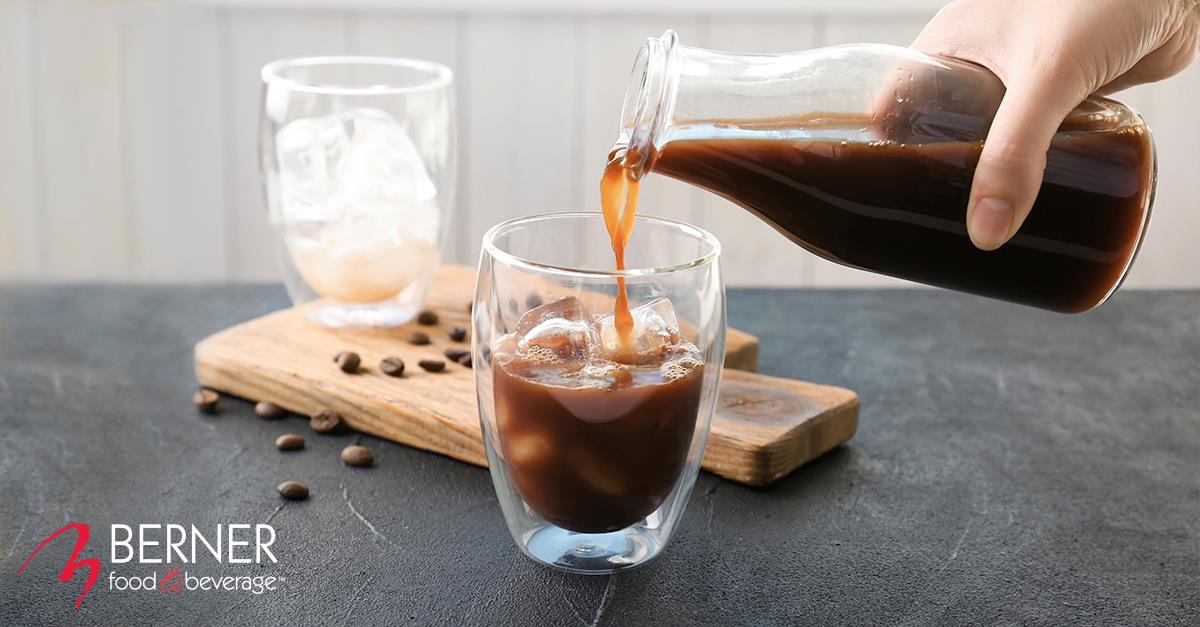
Choose from four flavored cold brew coffee profiles: caramel, coffee, vanilla, and mocha. The iced latte product line includes more flavors, such as peppermint mocha, pumpkin spice, and s’mores.
They also have many other customizable solutions, like:
The R & D team at Berner’s can also assist you with rapid market deployment. They collaborate with multi-packaging service providers to get your product canned, bottled, jarred, and custom-labeled with catchy designs.
If you want to do bulk cold brew, SOS Cold Brew is a noted cold brew white labeler.
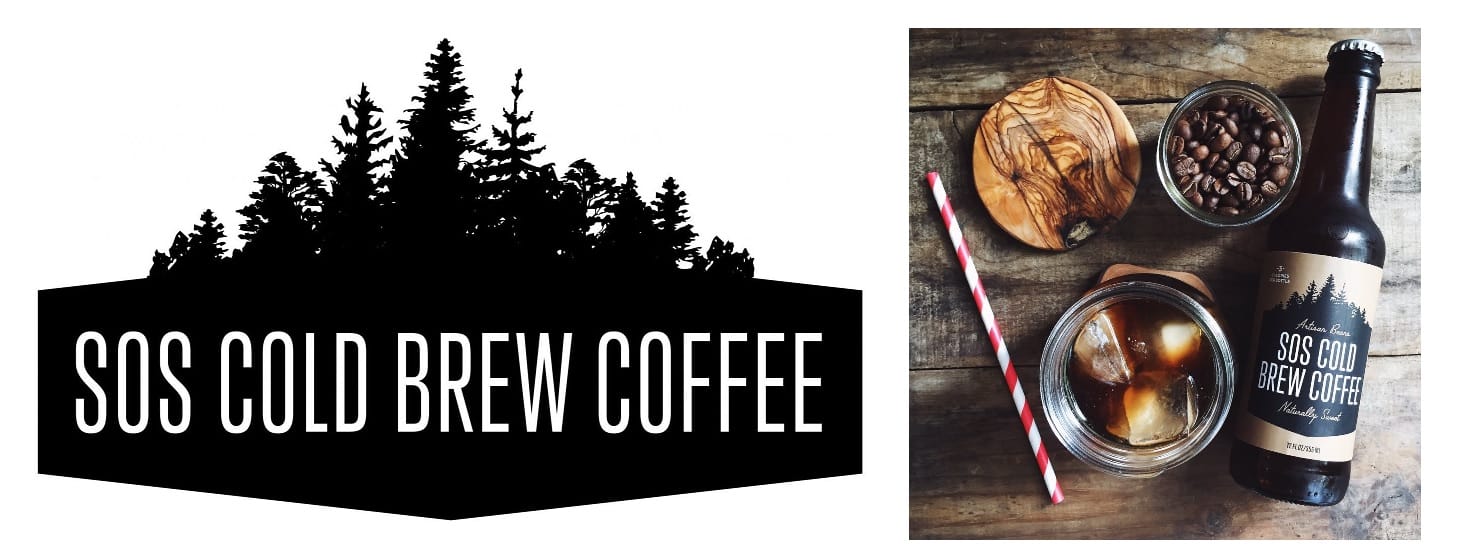
Hailed as the better, healthier alternative to iced coffee and sweetened drinks, cold brewed coffee products from SOS Cold Brew contain no added sugars or preservatives.
All products available in 12oz glass bottles, or 5-gallon “Corny” kegs (Still or Nitro pours).
JAVO MASTERS OF EXTRACTION
Javo Masters of Extraction are another super white label coffee supplier option, with a natural cold brew.
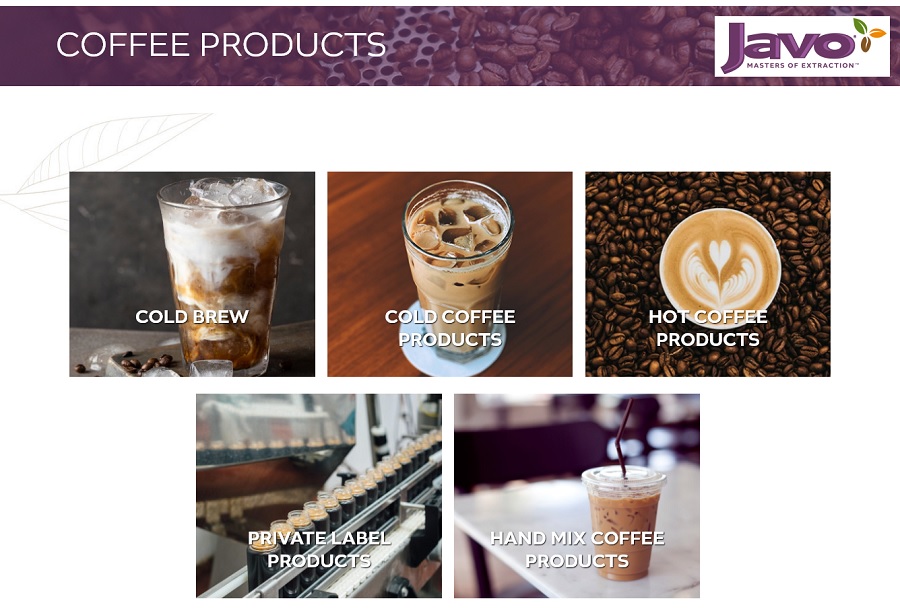
Private label product solutions include developing custom bags-in-a-box or hand-mixed cold brew coffees and teas with either own-brand proprietary blends or using existing small-batch, in-house, craft-roasted coffee blends with your own brand.
If you want to do your own fully-custom beverage — whether that’s like a hard coffee, or you want to do a cold brew can or something like that — and actually do like a formulated consumer packaged goods, I’d recommend Tex-Bev in Texas to be your partner for that.
They’re a great kind of small business with an excellent approach to having a good packer.
They do alcohol, too
Overall, coffee is hyper competitive to actually compete in but there’s still tons of people that sell and consume it everyday with subscription services, and new flavors and any number of things. If you want to get started, this is a pretty darn authoritative list of different ways to do that with different price points.
With any brand or product, it will be a sliding scale. The less work you do, the less you make. Dropshipping means you can expect 10-20% margin.
Buying in large bulk, getting custom packaging in bulk, all custom done, you can make closer to 50%, but with a more up-front cost.
Thanks for reading. Let me know in the comments below how you’re doing, or if you think there’s a private label coffee supplier that needs to be on this list.
– Oren
Twitter: http://www.twitter.com/orenmeetsworld
LinkedIn: http://www.linkedin.com/in/orenj/
TikTok: https://www.tiktok.com/@orenmeetsworld
Check out 2 newsletters from my best friends, James & Colin
NanoFlips – Learn the art of buying, growing, and selling websites with James Camp:
https://www.nanoflips.com/
Free Smoke – A Cannabis business newsletter by Colin Landforce:
https://freesmoke.xyz/
READ NEXT:
The Best Private Label Manufacturers for Skin, Bath, Hair and Cosmetic Products
You can learn more by joining the thousands of happy readers already on my Product People newsletter. I’d be excited to have you in the community!
I’ve worked extensively with products that are more expensive than their competition. Sometimes they’ve had feature advantages, many times they haven’t. So, how do you differentiate a luxury brand from a premium brand?
I’ve compiled a content toolkit on strong luxury brands. These are some of the top need-to-know extracts from that toolkit:
Pay great creatives, use top-tier equipment, and ensure things are lit perfectly. The proper lighting matters for the little things — especially in e-commerce photos.
A great example are these shots from a launch. We saw this lighting in a previous shoot, so we brought it to the whole product style guide.
Establish which benefits you want from association with other premium brands:
@type7 is an Instagram daily lifestyle magazine from Porsche. It is also an amazing example of using content to build a lifestyle component for a luxury brand. The magazine showcases Porsche and the luxury lifestyle you can expect to lead when you own a Porsche, side-by-side. These are real stories, in and around the space they want to associate with owning the Porsche lifestyle.
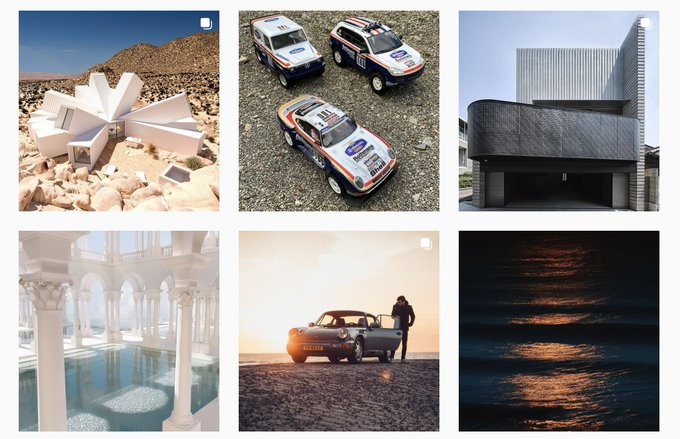
Plenty of customers aren’t looking for the cheapest option, but are instead looking for the best. Showcasing the process of creating your best might not be your top performing content, but it’s a giant validator.
Is this the most boring ad ever made? Not if you appreciate obsessive craftsmanship. Leica Camera spends 45 minutes polishing the new Leica.
It’s always worth giving the interested buyer an extra dive into the brand’s lore. Cover history, materials, sustainability, and values.
Take Arc’teryx, for example: WhoWeAre is EXTENSIVE and immaculately designed.
Showing off concept products showcases the team is thinking of the future, and has the resources to dedicate to R&D. You see this in vehicles constantly, but not much elsewhere.
One of my favourite examples is the one-seat Lamborghini concept car.
Pushing limits and going for records associates your brand with the pursuit of greatness. Doing what hasn’t been done before costs $$ but generates true interest.
Have the best how-to videos. An extremely elegant manual. Bags, shippers, stickers, every single thing needs that extra labour of love that gives customers delight.
Example: The Shoe Surgeon magnet clasp and metallic shoe box
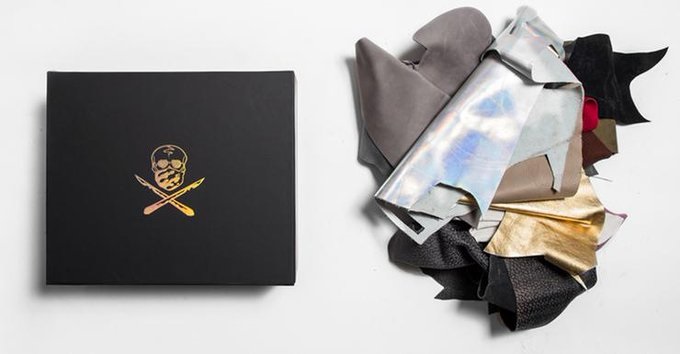
For almost any product: showcase it in a premium way. Show off your processes, push the limits of your content, take the little things seriously, and you can command extra $$.
Don’t be afraid to give yourself the room in your margin to be great, to differentiate a luxury brand within your range of product offerings.
Oftentimes, even with more dollars, the cost to do things like the above makes a company no more profitable than its lower-priced competitors. Is this worth it? Yes, because luxury commands staying power. It’s memorable. It’s a long-term business, not a short-term hustle.
If you enjoyed this, I tweet multiple threads a week on brand identity / the zeitgeist / cannabis. Smash that follow @orenmeetsworld
– Oren
READ NEXT:
Using Eco-Friendly or Sustainable Product Packaging
Apple’s 2000s comeback is a masterclass in product design, filled with lessons from Jony Ive, the legendary designer with a vital role in various Apple designs. These designs included the iMac, Power Mac G4 Cube, iPod, iPhone, iPad, MacBook, and even aspects of the Apple iOS for mobile.
Ives was also instrumental in Apple’s major architectural projects, such as Apple Park, new corporate headquarters of Apple Inc., located in California, USA, as well as general layout designs for Apple Stores.
Here, we take a look at Ive’s designs and methodologies, and how to use them effectively for maximum impact.

Ive’s focus was always on minimalism + simplicity. He married that with the idea that “design takes depth”… form and materials require complete attention throughout the design process. This shaped Apple’s design language and was an integral part of their 1997 comeback.
Ive also had an emphasis on:
“Until you’ve actually pushed metal around and done it yourself, you don’t understand”
“Abstract ideas are great. Concrete objects are better.”
The results?
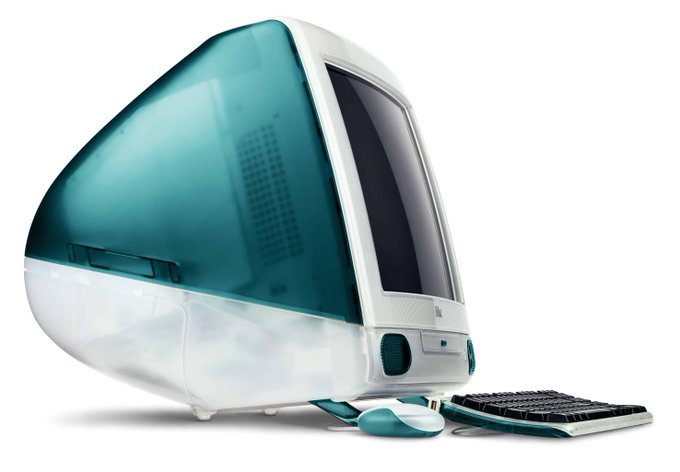
When the G3 debuted the buzz was deafening! Finally, a computer that wasn’t just a boring grey box.
Not only was this computer colorful, fun… cool. It had an operating system that was user friendly. The computer became a universal status symbol.
The sleek plastic design allowed users to see behind the curtain. No floppy disc drive, the addition of USB ports… Suddenly it was hip to own a PC.
Steve Jobs famously said:
“It looks like it’s from another planet. A good planet. A planet with better designers.”
It wasn’t the first mp3 player on the market, but the simple and sleek design captured the hearts of users.
The simple scroll wheel made browsing songs titles, artists or album titles a cinch. iPod virtually ended the portable CD player industry.
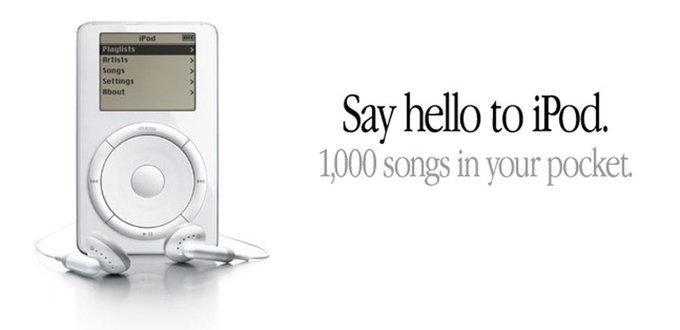
When the iPod Mini came along it not only added color to the design, but with a more affordable price tag it put iPods in nearly every pocket in America. The mini also introduced Apple’s famous click wheel.
The differences in material and feel are massive.

A flat desktop computer?
Ive managed to cram all of the computer’s innards into the dome-shaped base and the screen itself was suspended on an arm that could move around. Ive moved away from color bringing the iMac to a sleeker white-and-silver scheme.
If you start with a bright or large design… Transform that into a sleek, minimal design next. Same is true in revenue; if you launch in monotone, add color and material changes later. The product will FEEL next-generation.
In 2004 Apple created the blueprint for every future iMac with their G5 design. This all-in-one computer took the focus away from bright colors or other-worldly designs and made it about the very thing you spend your time staring at while on the computer: the display.
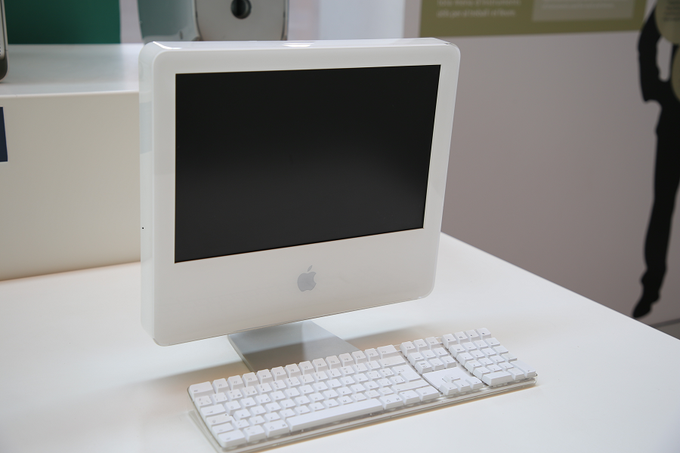
In 2009, Ive was famously quoted saying:
“There’s not a detail there that doesn’t need to be there. There are no visual interruptions, distractions. There’s just no other noise. Everything is about the display.”
This is the outcome of a relentless focus on customer experience.
There is a constant interplay in Ive’s innovations between:
Brands take note!
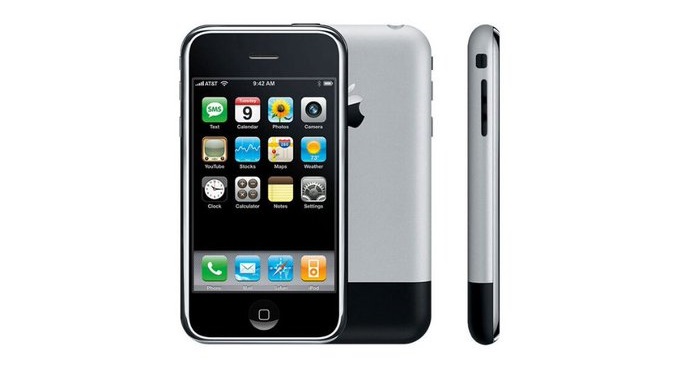
No device has changed the tech industry quite like the iPhone did. It revolutionized the way we think of cell phones (Sorry, Blackberry!).
Instead of a screen as part of the phone, the screen became the whole phone.
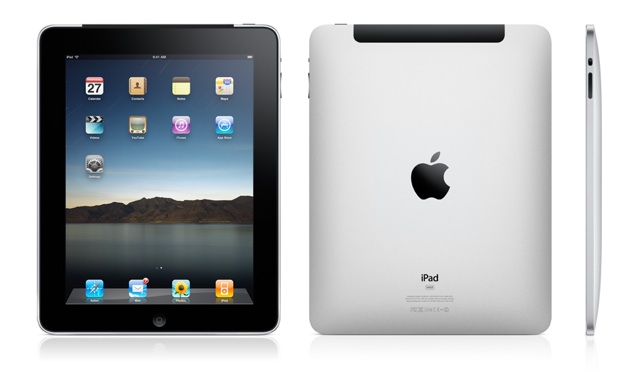
The iPad was met with lukewarm reception… critics thought it was just a giant iPhone.
Ive famously said of this,
“When something exceeds your ability to understand how it works it sort of becomes magical — and that’s exactly what the iPad is.”
The tablet category exploded.
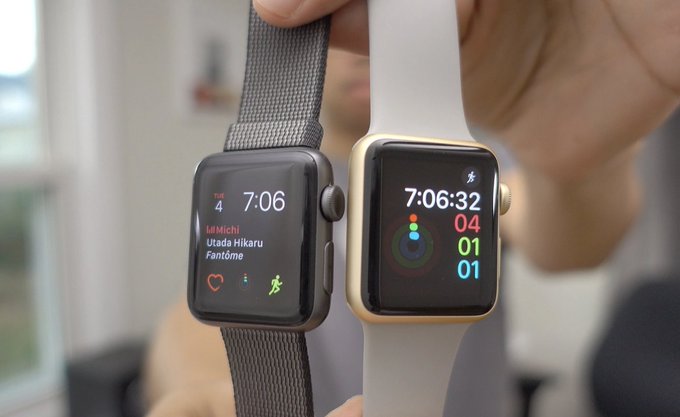
With its high price tag and short battery life, this was another product that most didn’t believe they needed.
Without the signature face, crown, swappable bands and incredible overall brand ID, the wearable device wouldn’t have caught the same adoption.
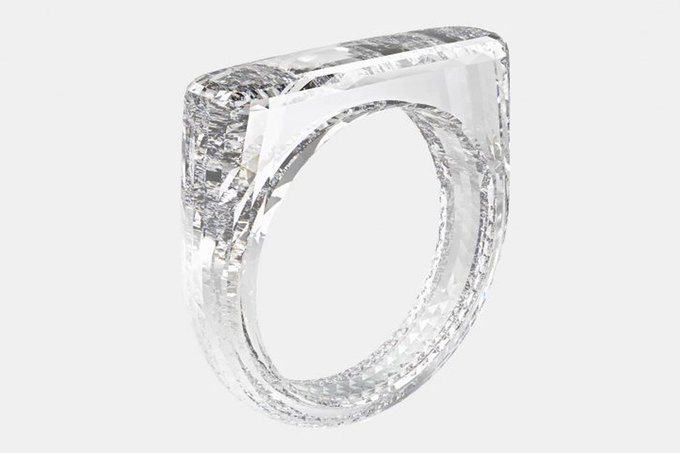
Jony Ive’s designs aren’t all just about business; he has a few fun, non-Apple designs, too.
The ring is made of a single chunk of diamonds
I hope this inspires you to think differently!
– Oren
Every week I break down ideas, strategies, and inspiration for building products and brands on my Twitter Account. Follow along…
READ NEXT:
How To Customize A Point-Of-Sale Display
You can learn more by joining the thousands of happy readers already on my Product People newsletter. I’d be excited to have you in the community!
Looking to start a private label sunglasses brand? You may think the niche is saturated, but it isn’t. In fact, there’s a long way to go and tons of unique designs just waiting to be developed!
I’ve done the research for you, and found all the links you need to succeed. Let’s take a look at the products, suppliers, strategies, and packaging ideas out there.
But first… this post combines two separate TikTok shorts I’ve done over the past 6 months in this niche. That alone should tell you the niche is burning for new ideas. Here’s the first part: my latest TikTok short, and you’ll find the second part at the start of the Product Development Guide down below.
@orenmeetsworld Excellent factories to launch your own sunglasses #ecommercetips #fashionbrand #sunglassbrand #factories #ecommercebusiness @orenmeetsworld #greenscreen
♬ Black Out Days – Future Islands Remix (Slowed) – Phantogram & xxtristanxo & Slowed Radio
Here’s a quick breakdown of what to expect in this post:
Let’s do this…
Sunglasses are a great product to have in your repertoire, whether your brand sells something else entirely, it’s a fashion brand, or you want to do something specifically in sunglasses. Sunglasses are an easy item you can add to your brand or corporate merchandise, and are always a welcome gift.
There are a lot of sunglass factories out there with tons of different styles to choose from. If those styles do end up getting popular, you can adapt your style and make it your own again.
NOTE TO THE READER:
I was going to change sunglasses every time I change in this video but I don’t have the attention span for that
These are acetate sunglasses, made in China.
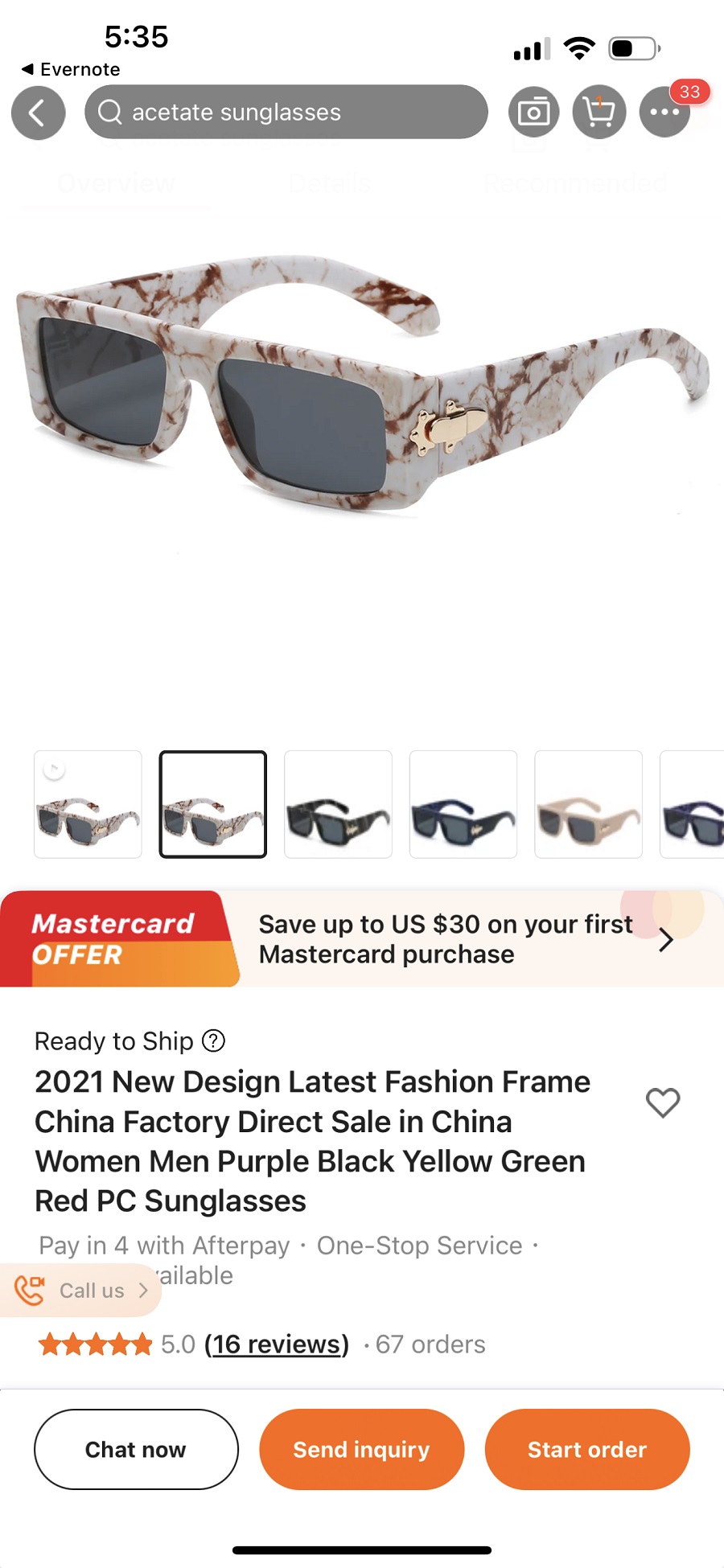
This particular style is pretty easy to mimic. You take any style you see from a vendor, and minorly adapt them by either:

This is the cost of the acetate sunglasses above so you can see just how much margin there is in starting a private label sunglasses brand. In adapting your product, you’ll want to look at things like adding polarized or anti-fog lenses. Also, ensuring your sunglasses are of high quality so they sell well is quite important.
Considering this baseline cost may go up by a few bucks before you actually order, I’d just go ahead and ask any vendor you liaise with to make sure you get the highest quality version they offer. At the end of the day, your return on investment will make sure it ends up being worth a couple of extra dollars initially.
These are my top 4 choices for private label sunglasses vendors.
This is the vendor I’ve used the most. They have a 4.9 store rating, 99% on time delivery, and over 1,000,000 transactions to North America.
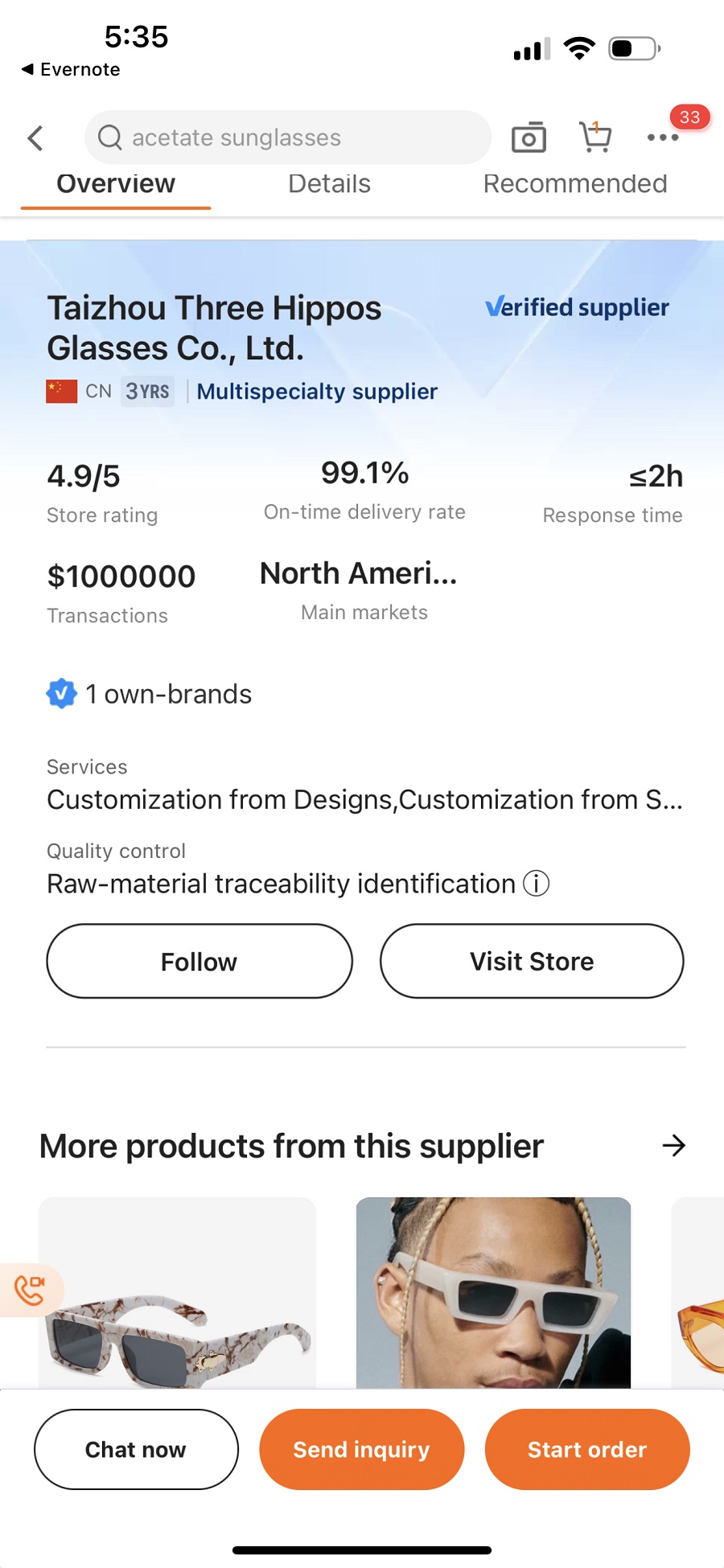
This is a great supplier for Alibaba. You can see a wide variety of styles, still at those low price points that you can use as a base.
Moving on to another good option you can have in your repertoire, as well.
This vendor has these super-fun, kind of vintage, bike-inspired sunglasses, as well. Some weirder styles (in case you’re trying to get odd/rare/truly bespoke designs out there).
Your 3rd option has some more basics.

It is a little bit more expensive, but definitely worthy of a look.
Overall, private label sunglasses is a super-competitive market but this is a great add-on product to apply your own patterns or looks to. It can complement your existing brand and it’s also a low-cost start.
If you’re considering selling your own products, getting a hundred sunglasses that showcase your customized designs aren’t going to cost you that much to test the waters in e-commerce.
If you’re on Instagram, you’ve seen sunglass brands ads selling for $40-80 a pair. The secret? They cost about $3-10.
Add:
That’s $25-65 profit each, and they’re selling THOUSANDS monthly.
Here’s how to develop your own…
First things first, order your favorite brand’s pair online. Write down EVERYTHING about the experience:
Note everything they’ve considered and what you think could be done better.

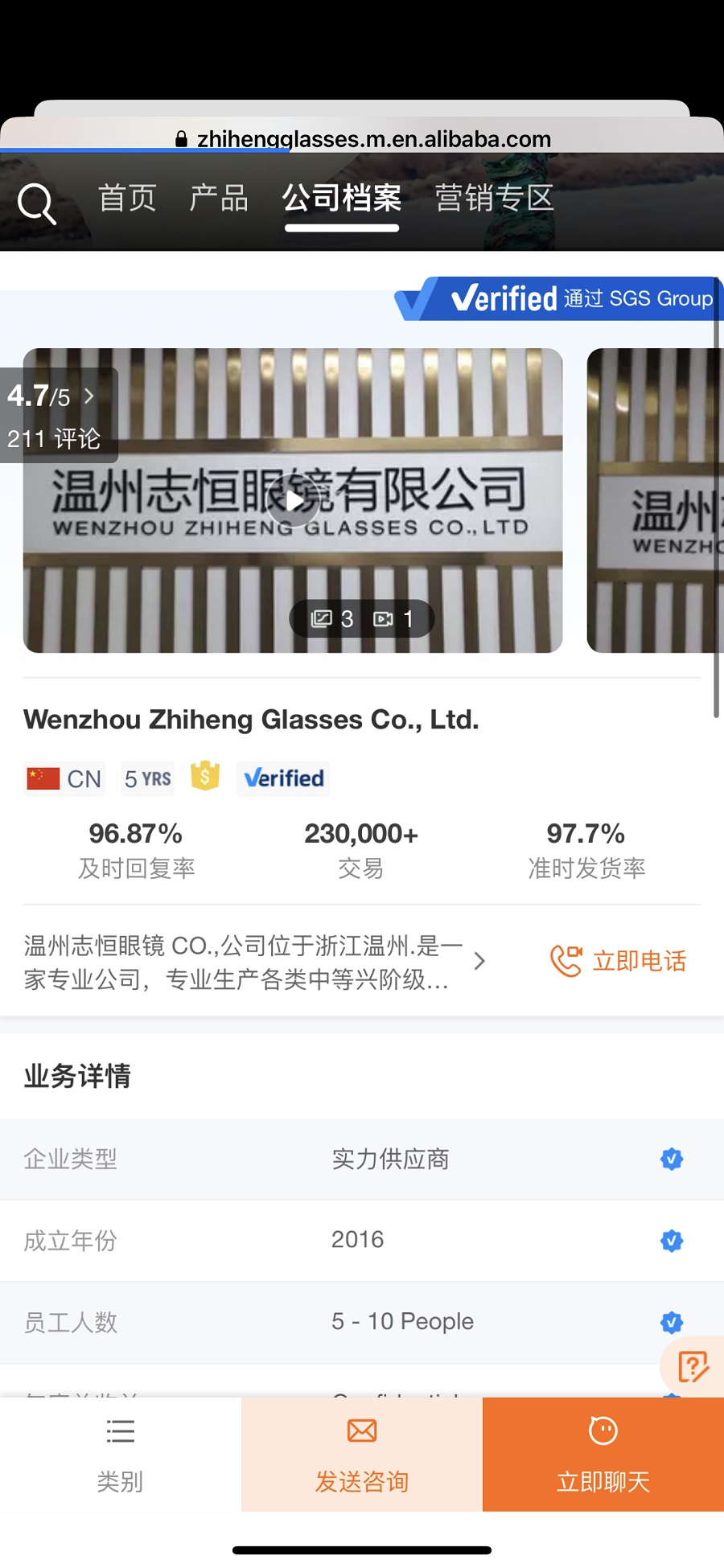
Next thing to do is find a private label sunglasses factory. Use Alibaba, and search for vendors with:
That’s going to ensure you have someone legit. Here’s an example of good and great.
If you’re looking for inspiration on designs, check these brands:
Let’s break down a few different product approaches with relevant factors:
Sporting sunglasses is a great opportunity for brands.
Anti-fog sporting sunglasses is also a great opportunity for niche sports – make a specific brand for golf, biking, running, pickleball, etc. Really, wherever you have a passion or see a need not being filled.
Back in step 1, you made notes about features, usability, colors, etc. Use these links and breakdowns to refine your selection, based on those choices made.
Factory: Wenzhou Zhiheng Glasses Co., Ltd.
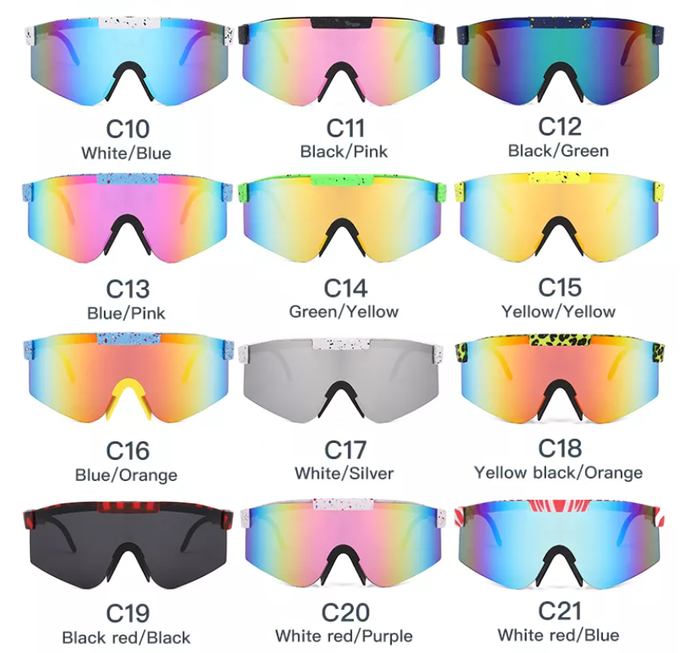
I would recommend really going all out like this on the nicest of everything and trying to go over $100 in price point, but that’s just me 😉
Tangent-type goggles for about $20.
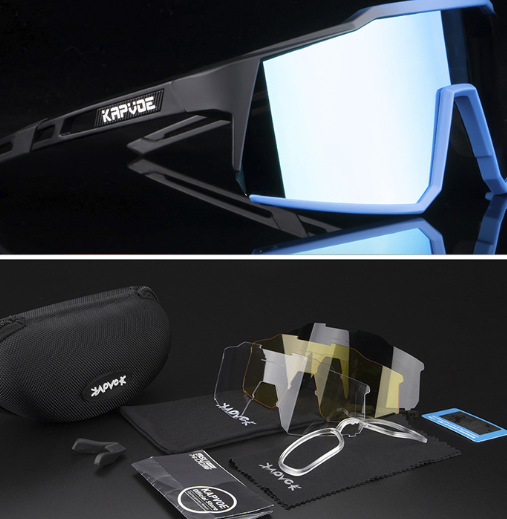
… Interesting opportunity. Resorts could crush with these handy.

The key to success with any of these is to do OEM (custom). Take one of these existing designs and modify them to be perfect for what you think will succeed.
Unrelated, here for this surrealist factory ad.

A fantastic option if you have an existing following is to brand hip styles. I’ve got a great factory that takes current hot looks and offers customization/logos.
Factory: Taizhou Three Hippos Glasses Co., Ltd
They start at about $1.20 a pair and you customize at 100 units.
Some current men’s styles at less than $2 with an MoQ of 300 pairs for custom
There are factories that specialize just in women’s and men’s contemporary styles:
Big winner if you have an existing audience.
Factory: Wenzhou Lenlook International Trade Co., Ltd.
Selling basics is ultra-competitive, but this is a great category for giveaways or corporate merch.
You’ll also find plenty of designer bootlegs.
The trick with these vendors is to ask them for the nicest, highest quality versions they can make, and apply your own changes.
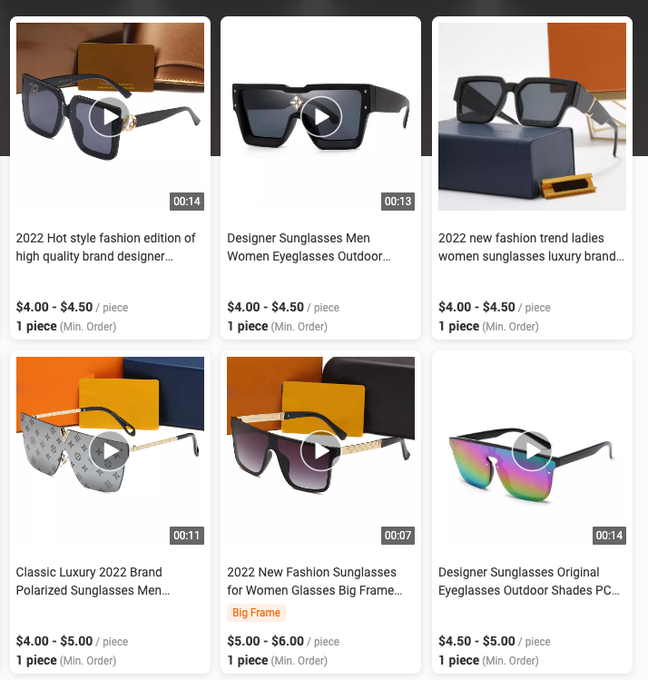
They’re not a long term fit though. If they bootleg others… they’ll probably bootleg you.
Make sure to customize your product! Some quick ideas:
Also decide where you want to live on the value scale…
It's a golden age for selling your own products.
The Good, Better, Best framework helps you price and position to win 👇🏼
— Oren John (@orenmeetsworld) April 19, 2022
RECOMMENDED READING:
Ready to start a sunglasses brand?
Read Understanding Good-Better-Best Pricing for Products
Next you’re going to move on to packaging. Ask your vendor if they will wrap and box your product with a custom item. This is a cheaper option than domestic.

Here’s how to manage your packaging needs:
Now head back to the list you made when ordering your favorite brand in the development stage. Think through if your packaging, box experience, carrying, etc. matches up with the experience you’ve gotten from an existing brand.
This is a key exercise to constantly refer to as it helps prevent details from getting lost.
Once you’re ordering your product, we hit logistics.
Too much product for your house? You need a 3PL (third party logistics) or FC (fulfillment center) partner. Here’s my comprehensive list:
Best 3rd Party Logistics for CPG Businesses
When it comes to e-commerce there’s 100 quality followers on Twitter that can juice you up with great info.
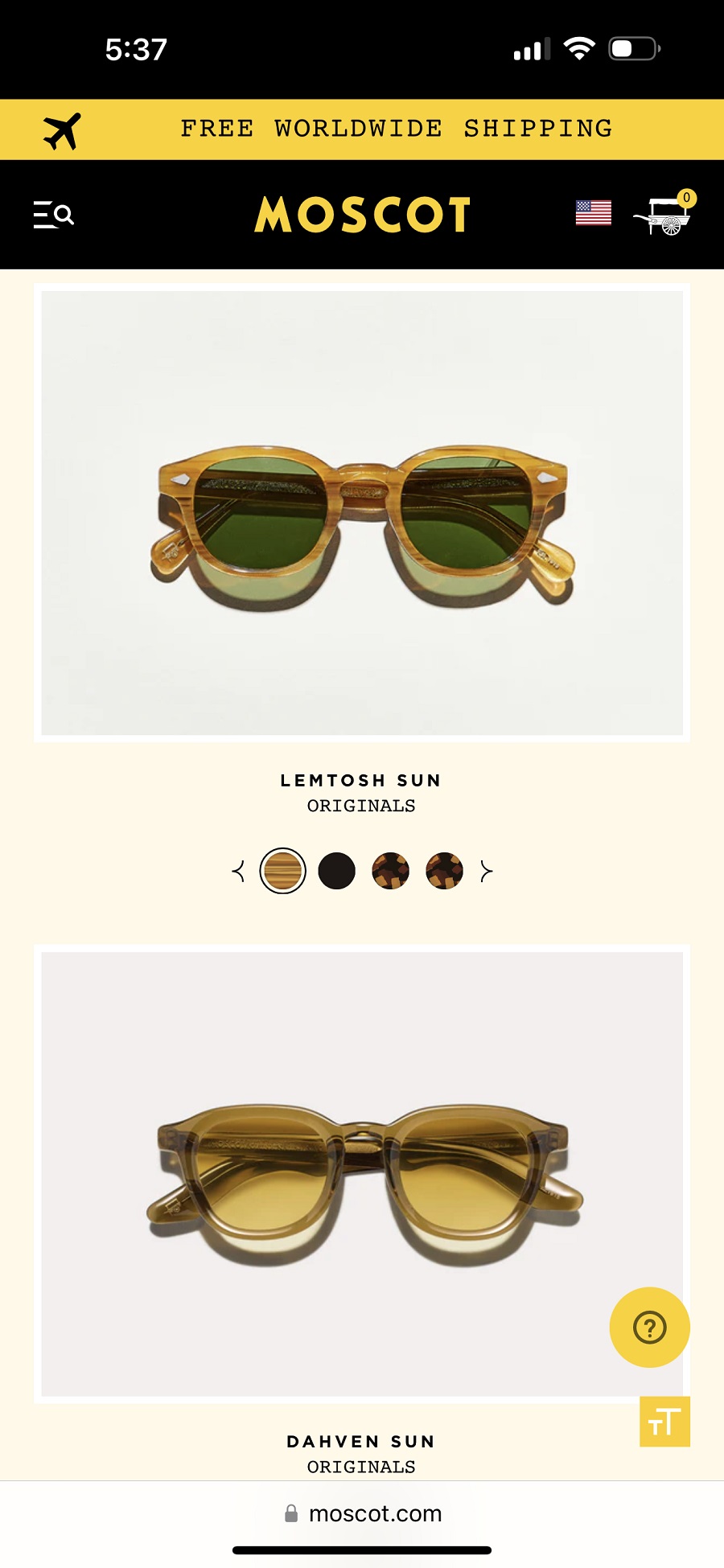
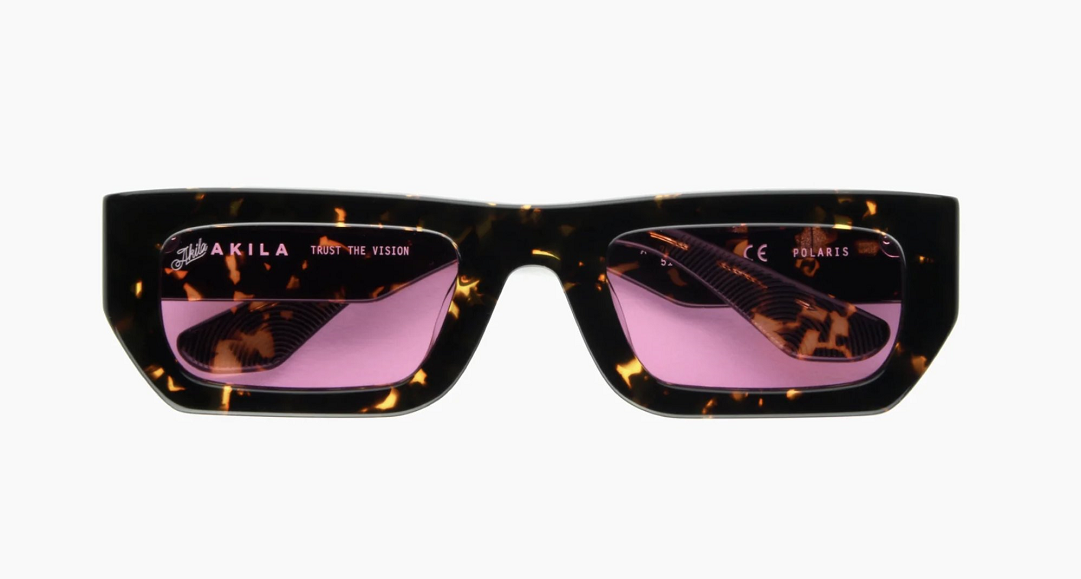
I will say, in this niche in particular, photography is a huge part of what can make the product stand out when selling online. Moscot crushes this.
Check out some sample pics below:
The next 18 months are a once-in-a-lifetime opportunity to build a brand on Tik Tok.
Start a private label sunglasses brand now!
Thanks for reading. I regularly break down sourcing and developing different products to 5,000+ entrepreneurs on my Product People newsletter. You should join me there.
– Oren
Twitter: http://www.twitter.com/orenmeetsworld
LinkedIn: http://www.linkedin.com/in/orenj/
TikTok: https://www.tiktok.com/@orenmeetsworld
Check out 2 newsletters from my best friends, James & Colin
Free Smoke –A Cannabis business newsletter by Colin Landforce:
https://freesmoke.xyz/
NanoFlips – Learn the art of buying, growing, and selling websites with James Camp:
https://www.nanoflips.com/
You can learn more by joining the thousands of happy readers already on my Product People newsletter. I’d be excited to have you in the community!
Do a Google search on how to create your own sauce brand, and you’ll find MILLIONS of results, that include condiments, hot sauce, bottling and selling tips, and more.
That’s not surprizing, though… sauces and condiments sell $37.7 BILLION yearly in the US, and the margins are incredible.
Ladies and gentlemen, let me take you to Flavortown!
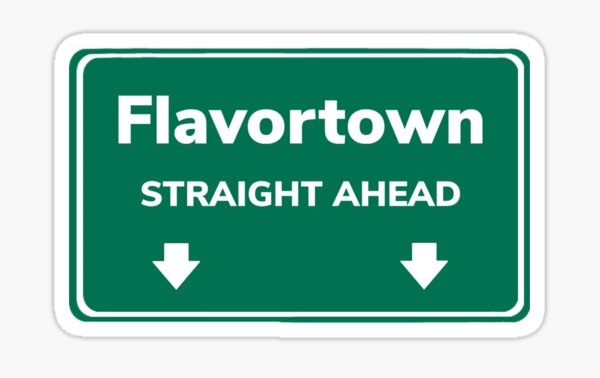
Here’s my product playbook with factories, ideas, and how to execute…
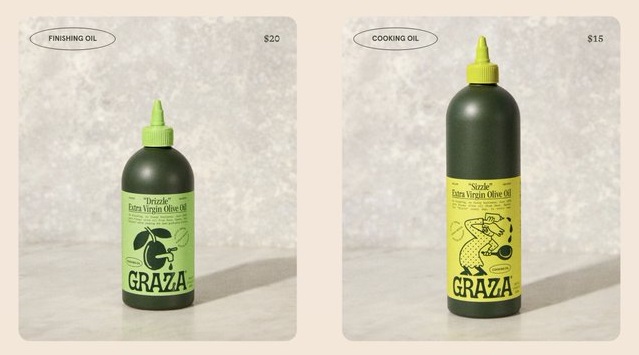
Consumers want unique, niche brands with values and more flavor. Sauce newcomers like Truff, Sir Kensington’s, Graza, MomoFuku, and more have taken advantage of a huge shift over the last decade.

We’ve seen celebrity chefs and restaurants break into the category, with brands like Momofuku entering direct to consumer and channel sales.

Brands like Truff seemingly come out of nowhere and dominate online ads and retail.
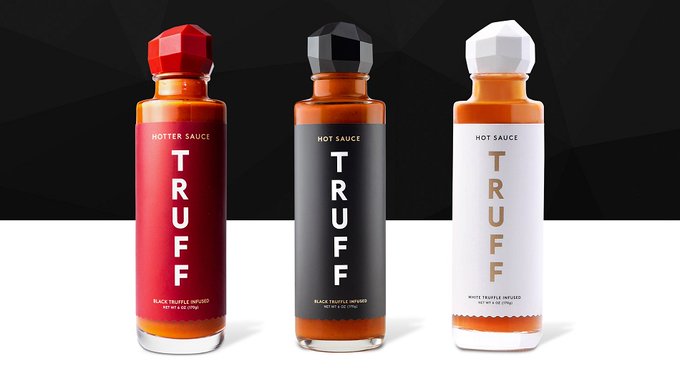
This is actually easier than you might think…
Here’s my cheat sheet of how to make a sauce or condiment unique in its category.
HIGHER END
– Go “restaurant grade” with higher-end materials and richer composition (more oil/butter)
– Execute “small batch” with unique, differing tastes and approaches for connoisseurs.
HEALTHY OPTIONS
– Make a popular sauce with no additives, artificial flavors or preservatives and focus on rapid supply chain turnaround for freshness.
– Low to no sugar version of any popular sauce. Surprisingly low-hanging fruit.
FLAVOR
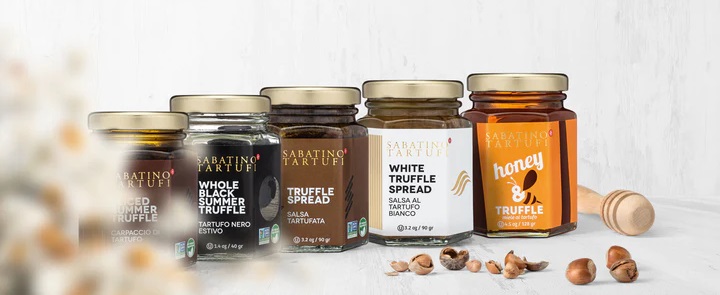
– Add truffles. You might laugh, but we have not left the truffle era. The taste can be applied to many sauce options
– Exotic flavor combos. There’s room for “out there” & impulse buy options that are good for a unique meal. Especially if packaging is a talking point.
AESTHETIC
– Look and feel. I’m convinced part of Jacobsens and Sir Kensington’s success besides just great products is they look modern at home.
– User experience. I love the Graza olive oil for its squeezable form factor that’s more along the lines of real user needs.
Sabatino does higher end sauces and condiments, with a big emphasis on truffles. Factories in US and Italy so you know its real.
Karma Sauce is another noted white labeller for sauces of all kinds.
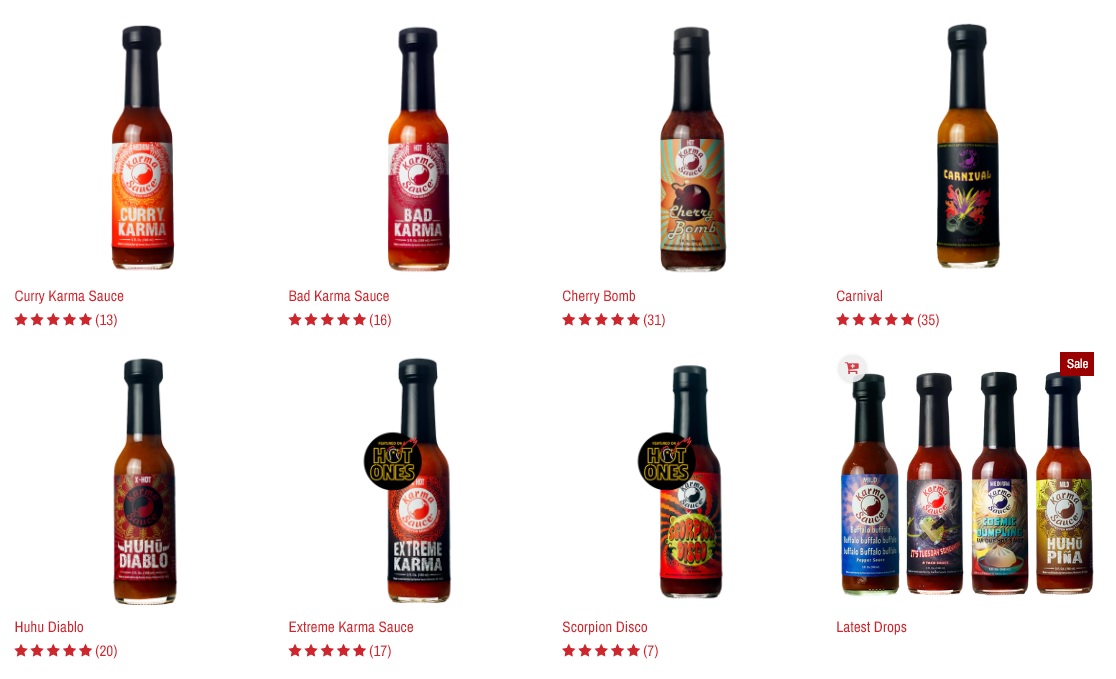
Want to take it overseas for max margin, or to authentically incorporate flavors originating in Asia?
There’s a generational shift happening as consumers begin to prefer niche options for them, whether regional, aesthetically, by values, or made for their background.
Every major producer is getting market share taken by dozens of new entrepreneurs, and there’s room for MUCH more.
Whether you’re just passionate about the space, or you have a regional restaurant or online following around food…
The path to succeed is there with a differentiated, interesting product, and direct access to the world’s top suppliers.
Never forget, the real sauce is the friends we make along the way.
– Oren
Remember to subscribe, and follow along as I help my community bring new products to life on my Twitter Account:
READ NEXT:
Best Vendors To Start Your Own Clothing Line
You can learn more by joining the thousands of happy readers already on my Product People newsletter. I’d be excited to have you in the community!
Luxury brands average 150% more margin and 200% more operating profits than mid-market brands. It’s easier – and cheaper! – than ever to create a luxury brand, so why wait?
Here’s my product playbook – with factory links – to make your own luxury goods. You can also read this thread on Twitter:
Luxury brands average 150% more margin and 200% more operating profits than mid-market brands.
Here’s my product playbook with factory links to make your own luxury goods: 🧵 pic.twitter.com/ManJY6lJUd
— Oren John (@orenmeetsworld) July 7, 2022
The key differentiator between a high-end good and a value counterpart is the quality. This narrows down to:
To achieve a real luxury brand, quality is just one cornerstone, you also need
The last one is the hardest, because you need to execute all the others for extended periods to achieve a true luxury regard for your product.
There are 3 types of high-end brands:
Major fashion houses were housed out of Italy forever, but due to changes in global positioning and various other factors, Portugal now produces a large amount of luxury goods. And they’re the perfect place to go if you want true luxury quality at a reasonable price.

Here are 4 premium factory options in Portugal to get you started:
I also highly recommend subscribing to Business of Fashion and following them on Twitter @BoF. They have classes and just tons of resources behind the paywall.
You don’t approach a factory without a plan, so here’s where to begin:
A good partner
But don’t expect all this before you’ve done a few transactions and proven legitimacy.
The goods themselves are just step one. Creating a premium or luxury brand requires a premium experience.
To charge a premium, your ethos from inception must be to:
Desirability is the x-factor in luxury. You can create amazing products, but how do you get customers to truly desire it?
Great tactics to consider include:
In addition, design is paramount:
Want to know more? Here’s the perfect tool…
It cost me $50k+ and multiple trips to Hong Kong & China to find my factories.
But now you can find any brand's overseas manufacturers for FREE.
The ultimate tool for finding the best overseas partners 👇
— Oren John (@orenmeetsworld) April 27, 2022
Have any questions? Drop me a comment below.
– Oren
READ NEXT:
How to Create Basketball Products (Factories & Ideas)
Want more factories, insights, and tutorials like these on how to make products come to life?
Join thousands of like-minded readers on my weekly Product People newsletter covering building brands and differentiated products
With very few exceptions, products aren’t just suddenly launched out of nowhere. Much like a new project needs the guidelines that a project brief would offer, you need to create a product brief for products in the design phase.
This is a walk-through of product brief basics you need to know and best practices to create them. Learn how you can make your own briefs, and what information needs to be included in a good product brief.
Keep reading to see a product brief in action as we put together a capsule collection for some friends. Learn more about how to create a product brief now.
More than anything, your product brief is a clear and detailed guide that provides everyone with approved design instructions for the build.
Whether you have your own team or you’re doing this with a client, you need a document where everyone can collate their resources and say “Hey, this is the approved thing that we want to do for XYZ product.”
There are a few situations in which you’d need a product brief. The most obvious of these is to:
Once you’ve found a format that works for you, keep it consistent, and refer back to it often. This is especially true when placing repeat orders with overseas factories.
A good product brief is an unambiguous and uncomplicated document. It doesn’t have to be long and it doesn’t have to be perfect:
The actual design of the brief doesn’t matter; content does.
List out all the products that will be worked on and their components – packaging, accessories, anything in the box.
I do recommend if you’re going to a factory to make it super, super detailed and cover absolutely everything!
PRODUCT BASICS
QUANTITIES
PRICING
For the capsule collection we’re going to use a broker who already has existing relationships with a factory and they’re going to do some of the translation. We’re keeping this example a little more high level but you’ll get the gist.
Just a reminder that the design of the brief doesn’t really matter as long as it’s detailed and follows a logical flow. The content is what’s important here.
First things first is to actually list out all the products that are going to be worked on and their components. In this example we’re doing a sunglass product, so we’ll need the sunglasses themselves, the removable strap, and a semi-hard case. We’re not boxing them but we may still need a manual.
This is listing out all of the different components inside your items so they know the entirety of what you’re looking to create. This is especially important when you’re creating a product line.
Next up, we focus on listing out the target quantities we want to do for each of the line items. You’ll want to put your quantities down so you actually know all the things that need to be included as a part of your product. You can check those off one by one inside the brief itself.
If you’re doing this internally and making your own products, you’ll have factories and stuff already in place. Here, I’d be putting in target hours or target price points but there’s no reason to send your target price points to your broker or your external factory. Focus them on the bottom line, sure, but let them price to you.
In our example brief for the capsule collection we’ve taken some inspiration from the brand Sporty and Rich because we really liked four of their colors. You can include color blocks in your product brief so the factory knows exactly which color you’re referring to.
TOP COLOR-MATCH TIPS
Now that your product brief basics are down on paper (so to speak), it’s time to walk through your primary product concepts. You may have only one product; I like to work in product lines.
Having a product line lets you have a “hero” product, some secondary products (that aren’t scheduled to be the core seller), and then some accessories. These accessories are essentially products that people are going to add on to almost every purchase. This is your upsell, and it’s an overlooked gem.
Your next slide is going to just outline the top things you’re trying to achieve, like an overview of your vision. It makes sure everyone knows and is aligned on what you’re trying to do.
Then we get to the complicated parts, which includes any standout functions or technologies that are required. You’ll actually need to detail this quite well so specify that these are technology examples, not visual examples. You don’t want to look like your competition; you just want to have some of the same tech they’re using to try and find something similar in what you’re putting together.
Next up: the style and any notes about the product itself. Get all the details that you want into the product notes. Again, not super-specified yet. No mock-ups; this is just getting the conversation started to get into pricing.
Include a secondary option in case they couldn’t get something that looked or was quite like what you envisioned first. Make sure you’ve included branding because it impacts the bottom line from a style and color perspective.
IMPORTANT NOTES
Once you’ve broken down materials, visual examples, and links in your product brief it’s time to send your brief. Get on a call with your broker or the factory and walk them through it all so people can get a better idea.
Even if you already have a good, existing relationship with your broker or factory, you should still request a list of questions they have for you to answer. This process takes a day or two, and you’ll want to get all those out as quick as possible to move on to the next steps.
Discuss timelines and start assigning due dates. Build a chart of who’s doing what to get your quotes and your designs completed.
This video will walk you through my process, using sunglasses as an example product.
And that’s it! Many people have many formats for how this works. I found that mine in particular is not too crazy. It gets all the product brief basics down, is perfect for getting the conversation started, and gets a ton of information out at once.
I hope you found this walk-through super-informative and valuable. Let me know in the comments below where your snags were.
– Oren
READ NEXT:
How to Create A Luxury Brand
Want more factories, insights, and tutorials like these on how to make products come to life?
Join thousands of like-minded readers on my weekly Product People newsletter covering building brands and differentiated products
After near bankruptcy, a vintage ski apparel brand has become one of the most interesting brands in fashion. In fact, they did $1.5 billion last year! Here’s the Moncler brand playbook.
Founded in the Alps in 1952, Moncler made quilted jackets for mountaineers and skiers in Europe, but couldn’t stay afloat over time.
Italian entrepreneur Remo Ruffini bought the near-bankrupt company in 2003 and moved it to Milan, re-launching Moncler as a luxury goods company.
But it wasn’t until 2018 that the luxury brand – now based in Milan – launched its most ambitious overhaul yet…
It ditched seasonal collections for monthly collaborations featuring a roster of fashion giants, including Valentino’s Pierpaolo Piccioli, Craig Green, and Simone Rocha.

Each designer took turns riffing on Moncler’s signature puffer jacket. Piccioli turned out evening dresses made from the jacket material. Green experimented with playful inflatables. They were right in time for the wave of the budding brand collaboration era.
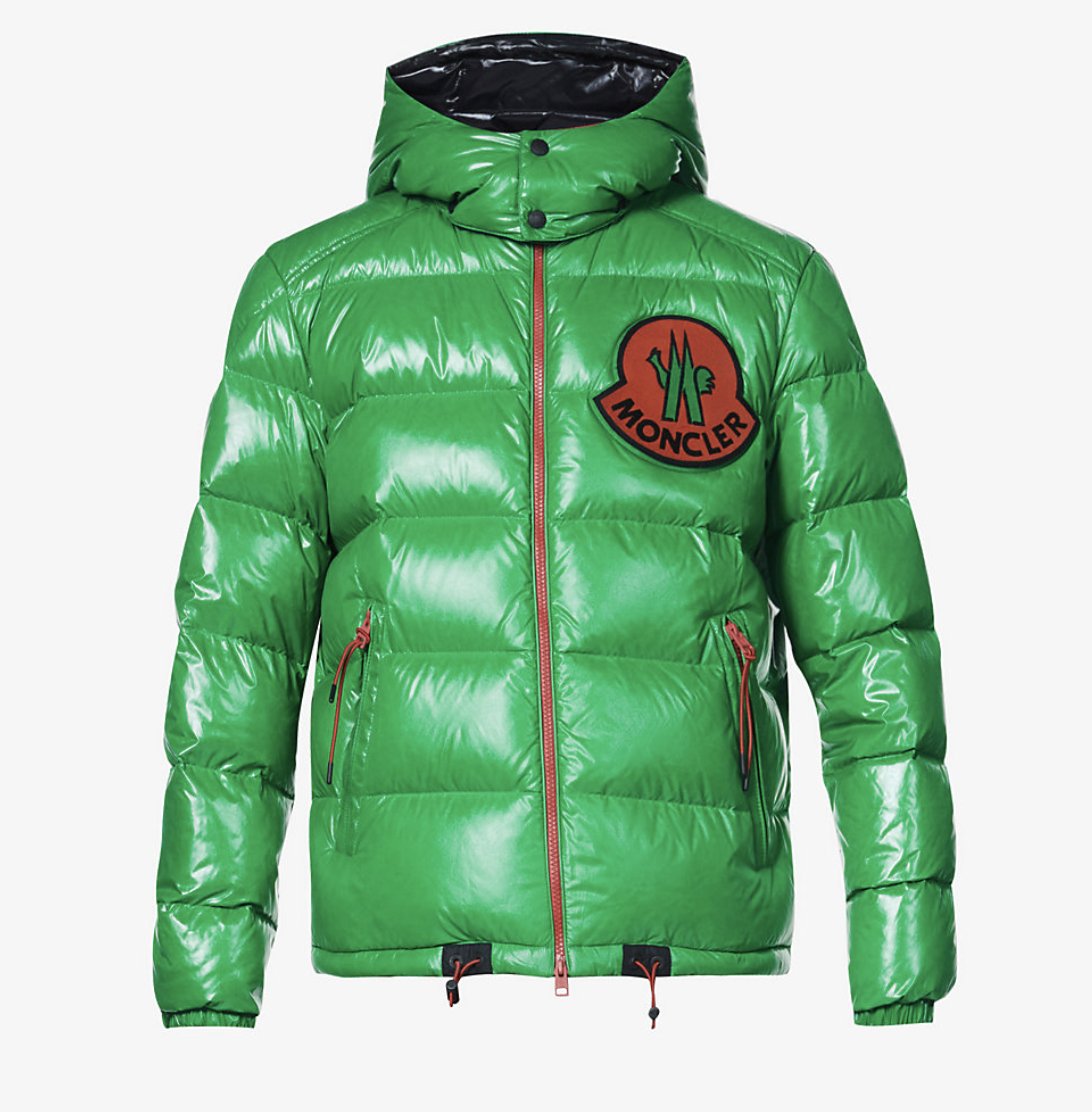
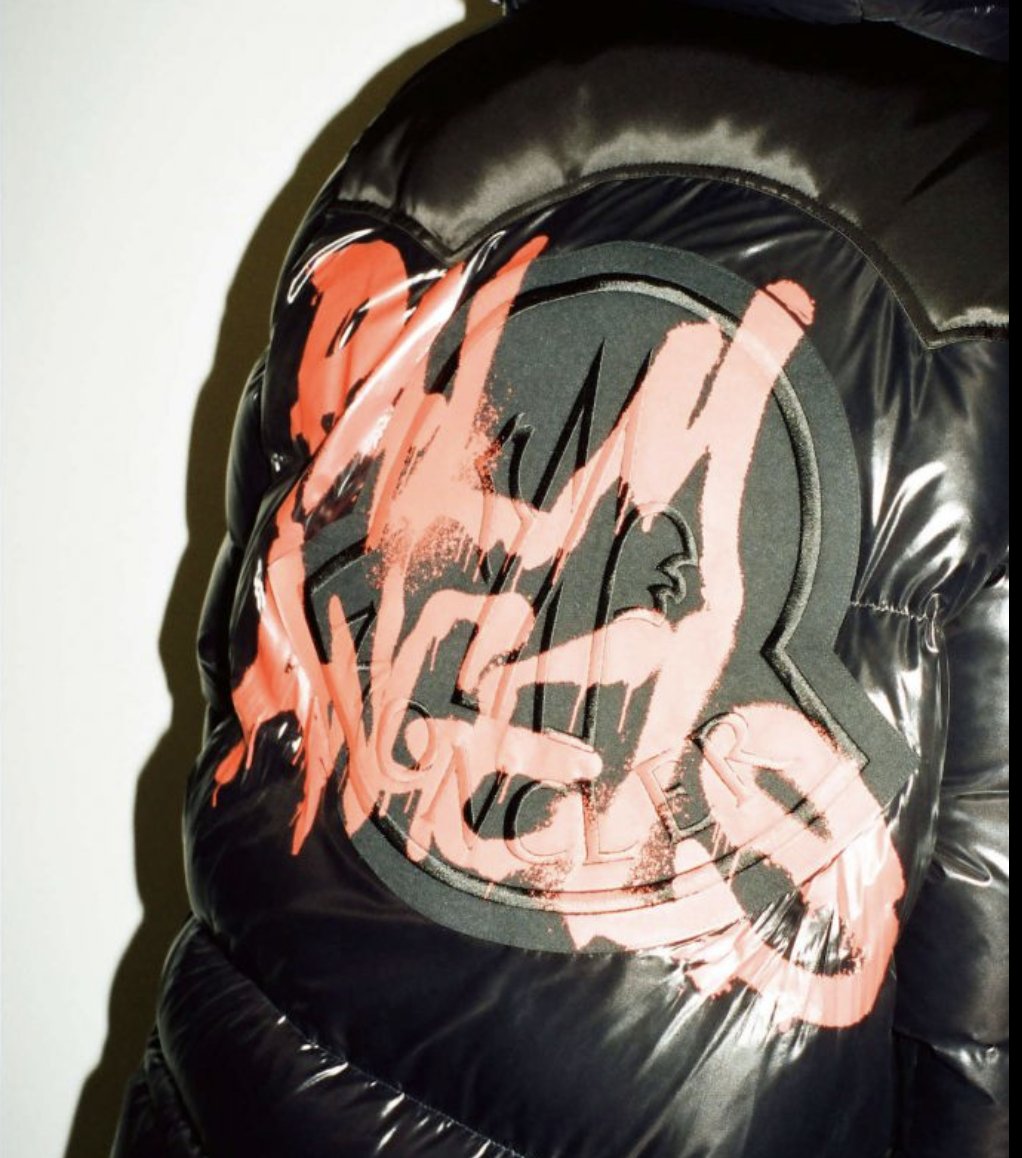
“You cannot talk to your customer every six months; you need to talk every day. I hope the GENIUS strategy will get young kids, a young generation, talking about Moncler around the world,” Ruffini said.
Moncler kept up the pace.
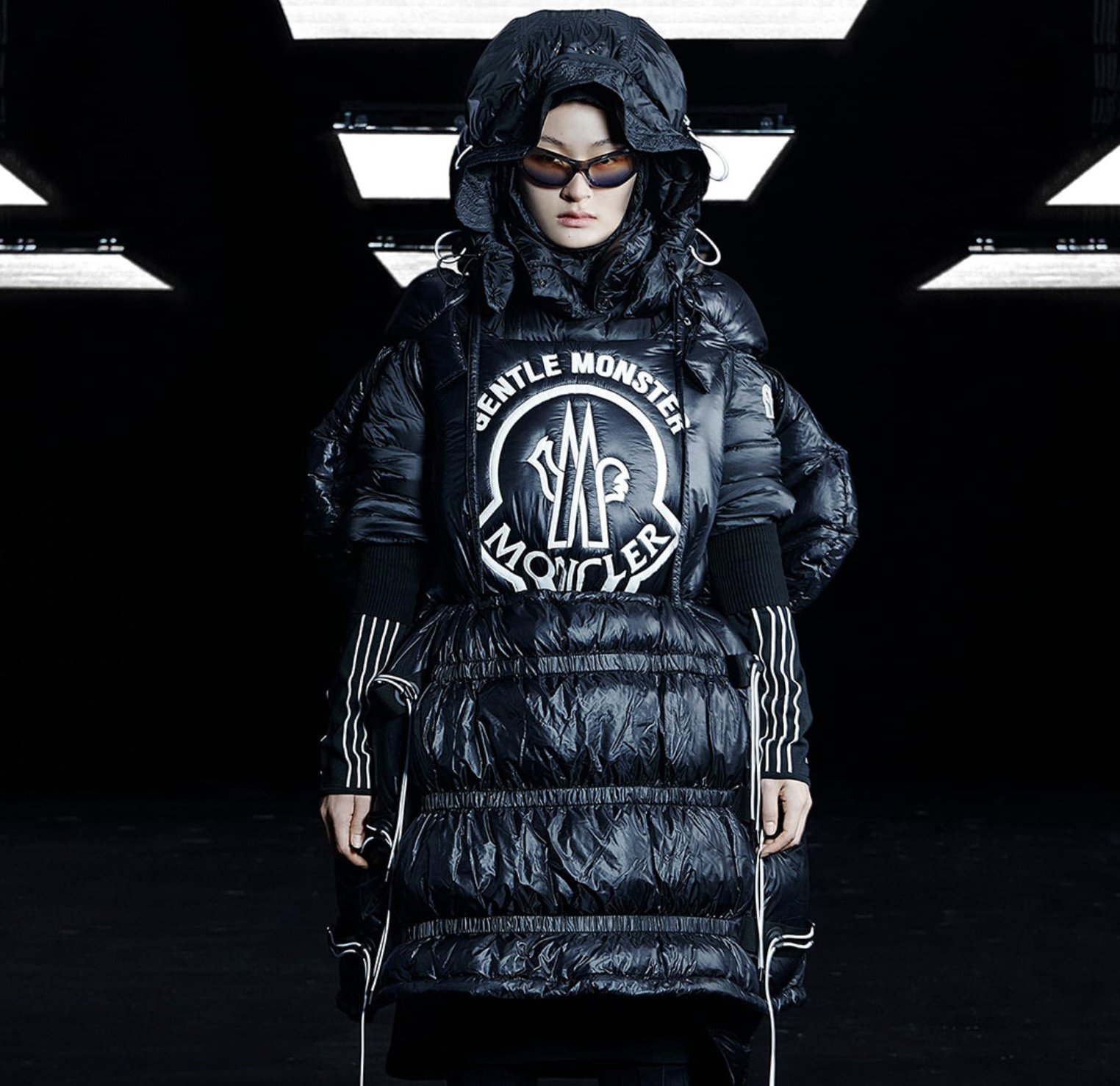
The collaborations list is legendary
And while the collaborations are often too avante garde for regular wear…
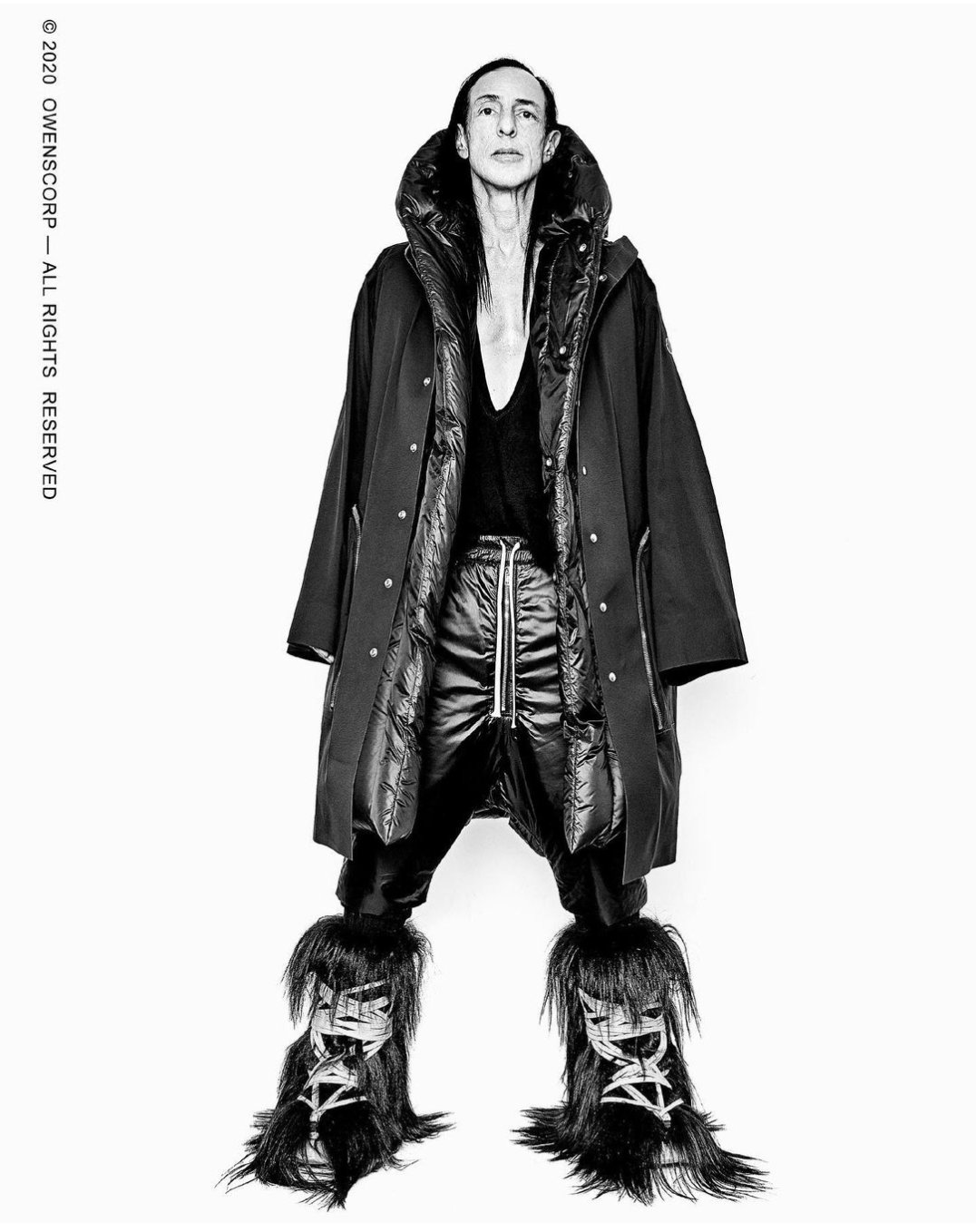
… they certainly drive sales of the core Moncler puffer jacket.
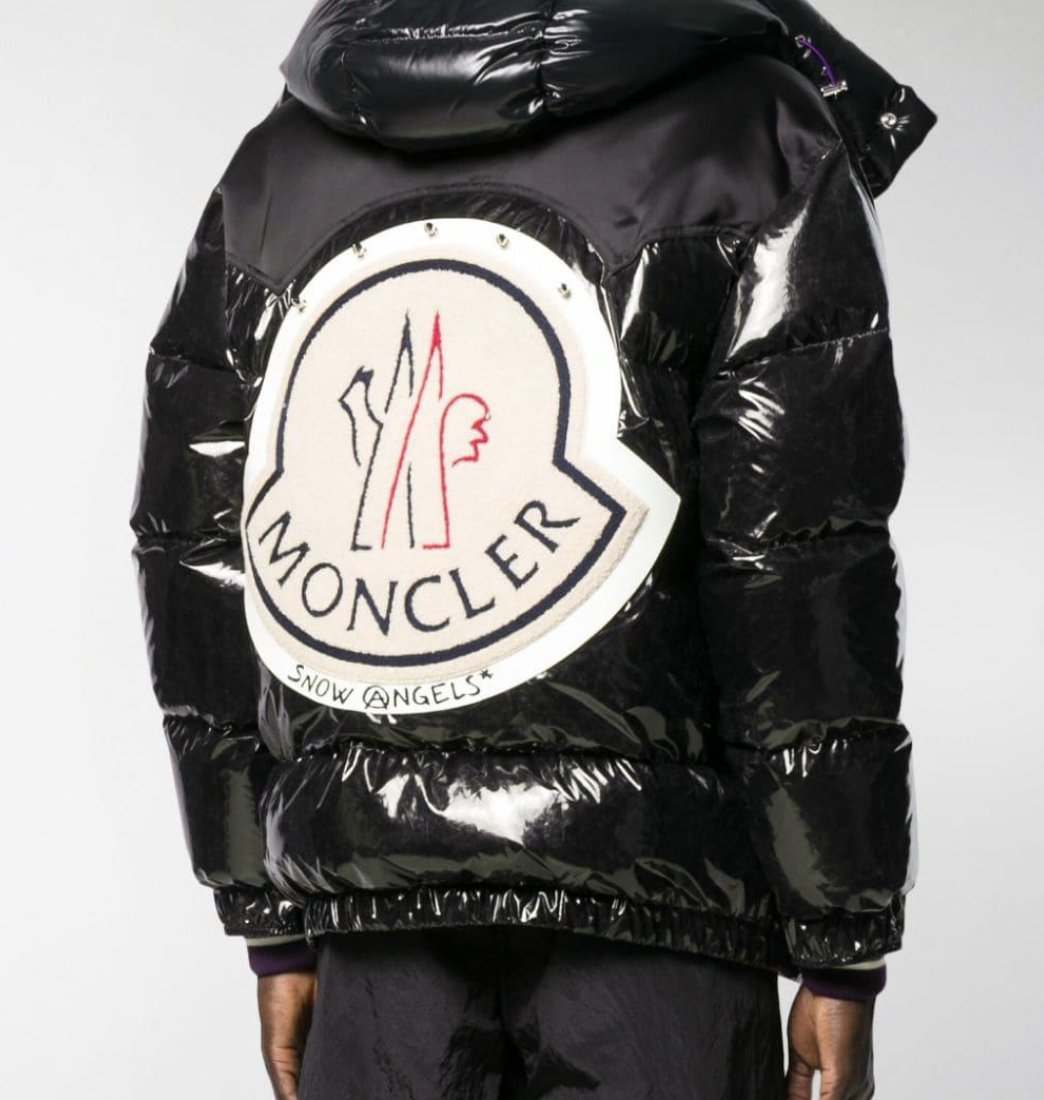
After the shift, younger consumers turned up at Moncler boutiques in droves, driving up sales revenue and creating even more brand awareness.
Clearly Ruffini’s strategies are striking a chord with the youth he’s attempting to reach.

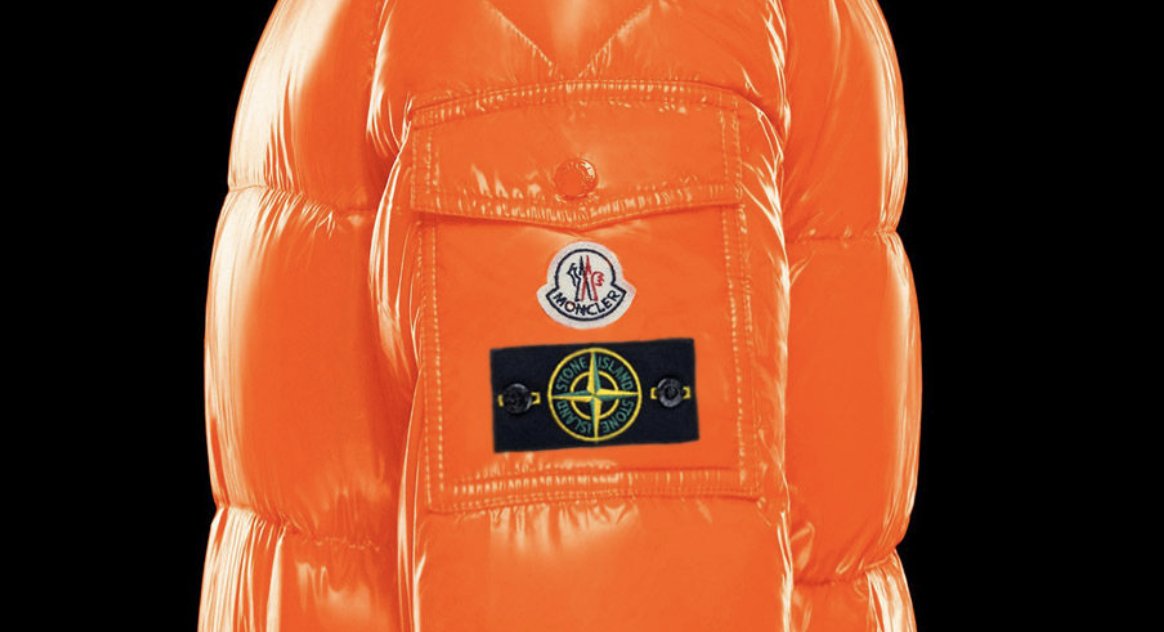
In addition to disrupting the speed and quality of execution of collaborations, Moncler also made a major business move in buying a complementary brand with their 2021 acquisition of UK youth & luxury staple, Stone Island. Now, its a cold-weather lifestyle fashion house.
Then, Moncler launched MONDOGENIUS: a live event to showcase the entirety of the Genius collection.
Their strategy isn’t just to get consumer purchases, but to build online and offline experiences for their demographic to engage with the brand.

MONDOGENIUS offered 11 shows in one by spotlighting the worlds and cultures that birthed each collection. They took guests on a journey of 11 designers and 5 cities, from Milan to Shanghai; Tokyo to Seoul and finally, New York. It was a smash hit for critics and fans.
The brand is aiming for Gen Z to represent 30% of its clientele by 2025 and if their current trajectory is any indication, they’re right on track. It wasn’t just from one strategy, it was executing across multiple, at lightning speed. Building for an even faster future.
The playbook derived from the Moncler brand echoes a lesson I argue about with brand teams I work with all the time…
@orenmeetsworld The Moncler brand playbook. #marketingtips #ecommercetips #branding #brandingtips #moncler @orenmeetsworld #greenscreen
I point to fashion for brand strategy often. Ultra-competitive, little to no differentiation, constant fight for attention. Brand, content, events, strategy at their absolute finest.
Thanks for reading! If you found it interesting, I appreciate any shares!
Make your products come to life. Get more factories, insights, and tutorials like these. Follow me on Twitter: @orenmeetsworld
Join thousands of like-minded readers on my weekly Product People newsletter covering building brands and differentiated products.
If you’re on TikTok, you’ve been seeing a ton of back-to-school posts. School supplies spending will hit $37 BILLION this year! Get in on the ground floor and start a school supplies brand of your own.
Pro tip:
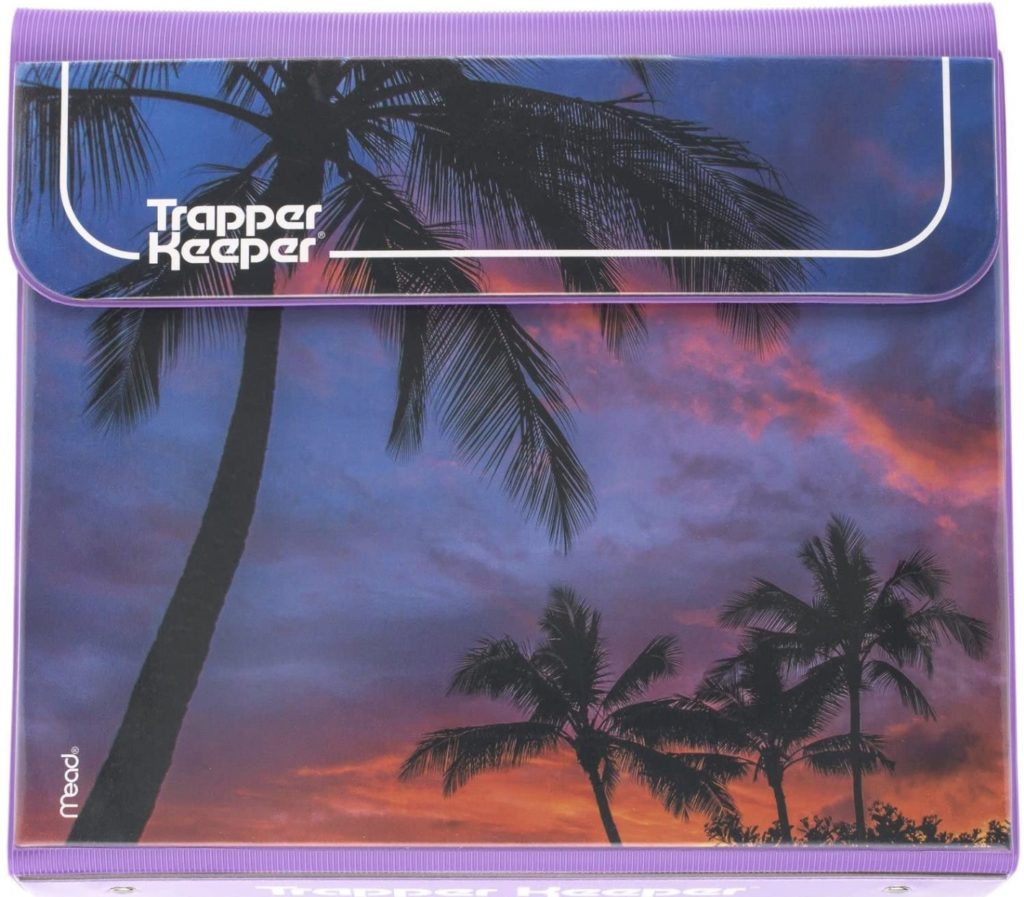
That $37 billion I mentioned? The brands that sell these products are nameless. Most parents and buyers don’t care who they buy it from. That’s a huge opportunity. This years’ school season might be close, but the opportunity is there to build a brand parents care about.
I love niches like this!
If these are just faceless transactions, it’s easy to convince someone to root for you.
Here’s the five-step playbook you need:
These ideas will help you start a school supplies brand:
Use Alibaba, and search for vendors with:
That’s going to ensure you have someone legit.
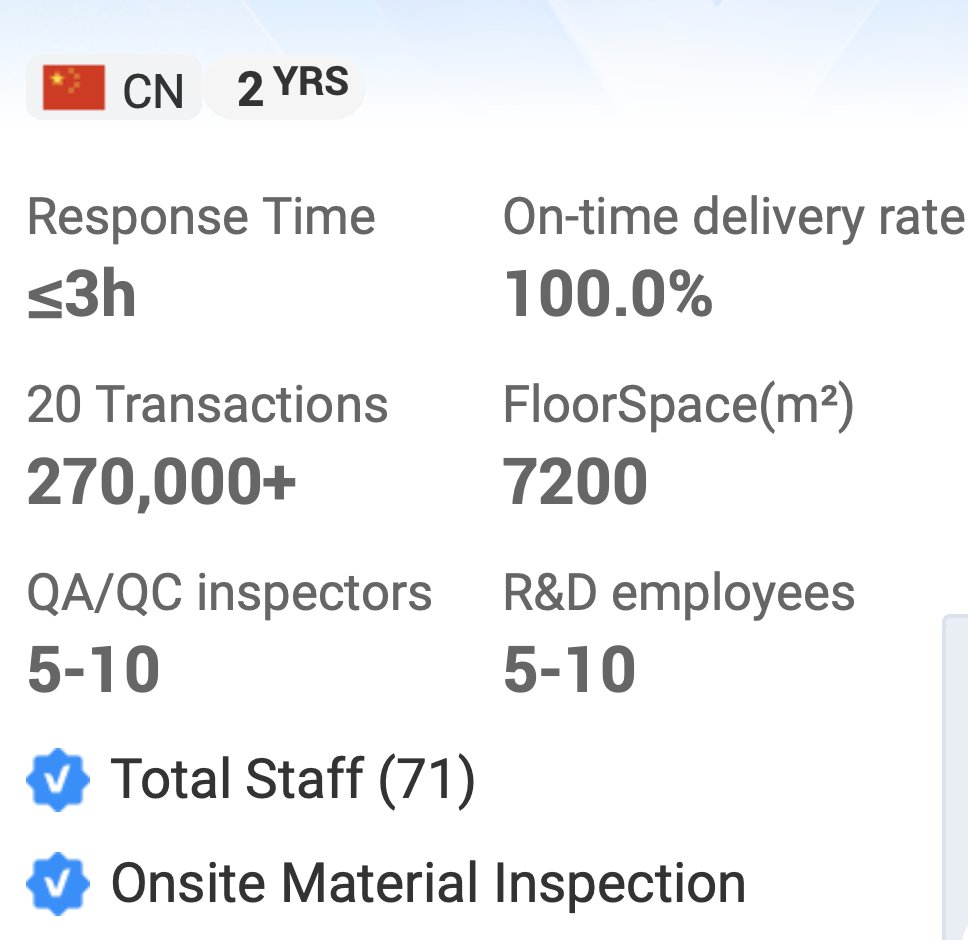
Here’s some factory ideas with pricing and quantity breakdowns.
Vendor: Dongguan Hongjin Printing Factory
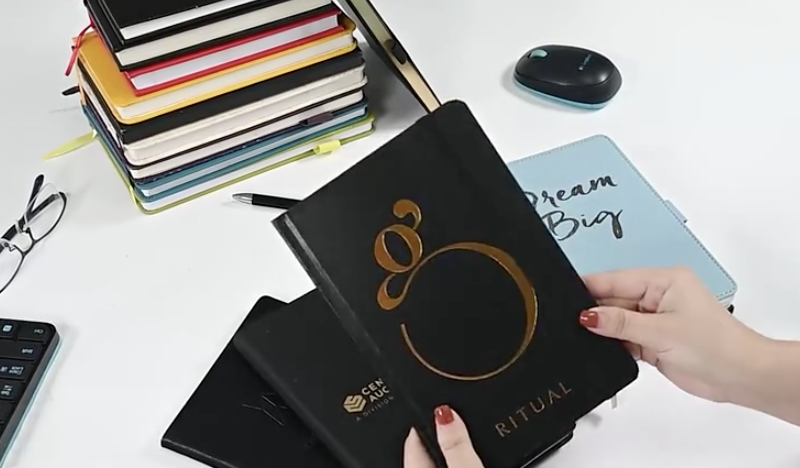
Dongguan Hongjin Printing Factory also makes sticker books, drawing and activity books, etc.:
This is an amazing opportunity to lean into visual themes or showcase your own art!
Want to go really ‘out there’ for social media?
Vendor: Xiamen Hailun Trading Co

Vendor: Ningbo Langterm Import And Export Co
Very nice mechanical pencils:
This factory is also a direct source for all mass-produced pencils, protractors, scissors, and hardware supplies.
Vendor: Shanghai Joan Industrial
Big opportunity here, even outside of school.
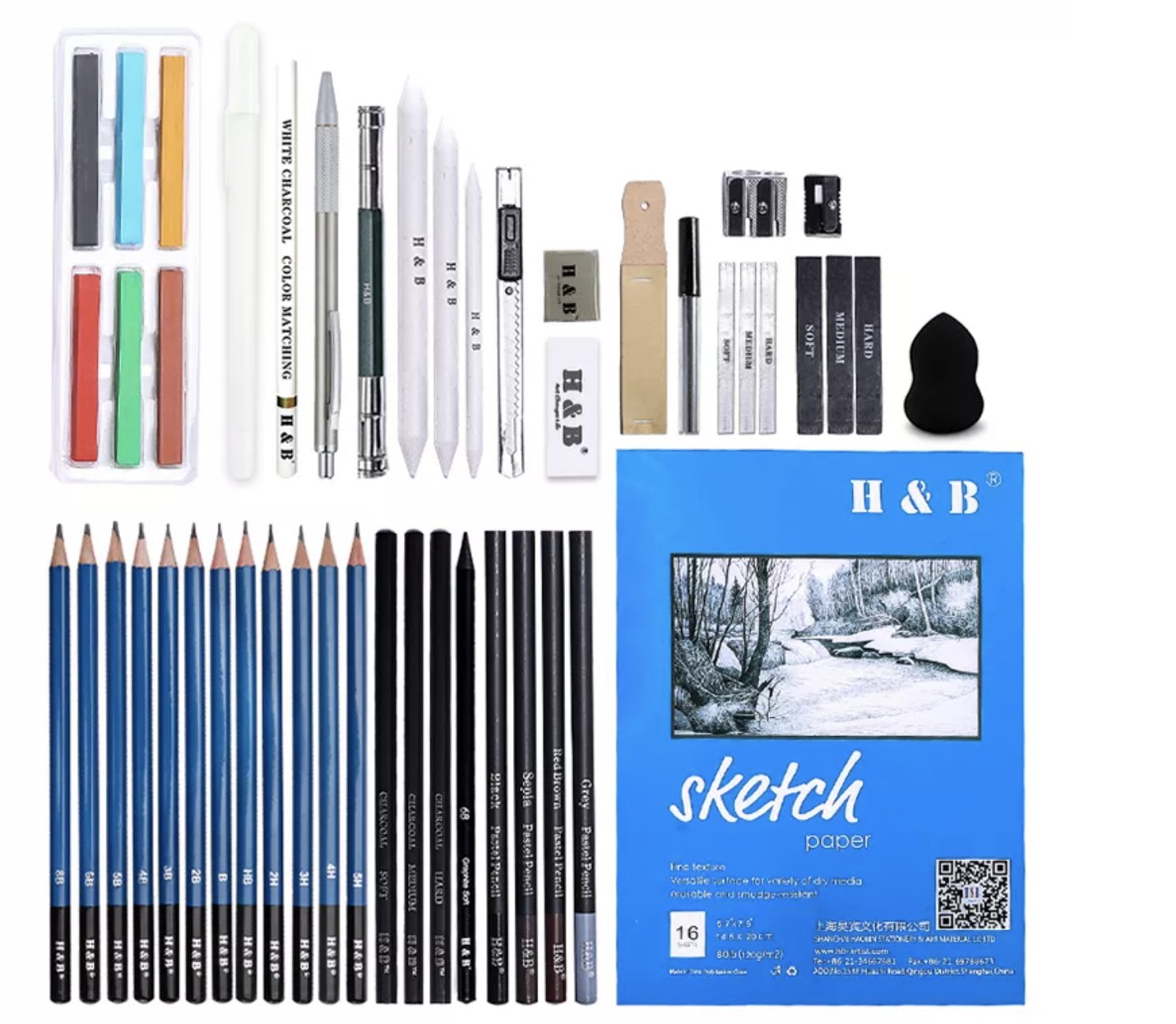
The easiest way to do this is to pick something similar you like, and sketch or painstakingly describe how to make it your own. Some quick ideas:
To get started on content, get a sample of your product sent to you via air from their initial production and use this to make content on your own page or a test page. Start cutting many different video styles. Search “back to school” and emulate the formats of successful vids.
It’s going to take 6-8 weeks for your products to come. In that time, make 3-4 videos a day on your test account just to find what works. Check out quality products on @thingtesting and get ideas form their social.
Too much product for your house? You need a 3PL (third party logistics) or FC (fulfillment center). Here’s my comprehensive list:
Best 3rd Party Logistics for CPG Businesses
To kick off your store, I’d use @Shopify and keep it simple. One page website, lots of the same video content you will make for TikTok, lots of reviews.
If you want to dive deeper on specifics, here’s a few recommended follows:
@LaurenLabeled for TikTok content strategy
@flips4miles to learn to sell on Amazon
@kobegatsby for building ecom
@jamesoncamp for buying or building a niche website
I love this niche because you can start small in terms of cost, their consume-able items that parents always need more of, and there’s tons of room for collaboration.
Remember, you don’t have to go it alone! Working together with others online is a superpower.
The next 18 months are a once-in-a-lifetime opportunity to build a brand on a new social network. Utilize the global economy through Alibaba to get enough margin to really give it a shot. Don’t sleep on it.
Thanks for reading! If you found it interesting, I’d appreciate your shares!
Make your products come to life. Get more factories, insights, and tutorials like these. Follow me on Twitter: @orenmeetsworld
Join thousands of like-minded readers on my weekly Product People newsletter covering building brands and differentiated products.