
Nearly 70% of all consumers think it’s important that a brand is sustainable. They’re looking to invest in brands with eco-friendly or sustainable product packaging.
Building a completely sustainable company is daunting and may not be an option for many, but the journey starts with a single step. The easiest step to beginning to reduce your organization’s impact on the environment is by reducing your unsustainable product packaging practices.
Looking around, you’re sure to find some easy choices in sustainable product packaging suppliers advertised online. There are definitely pros to going eco-friendly, such as low minimum order quantities and low barriers to entry. The con? It comes at a slight cost increase.
Here are 7 eco-friendly packaging vendors to help your organization align with your customers’ values:
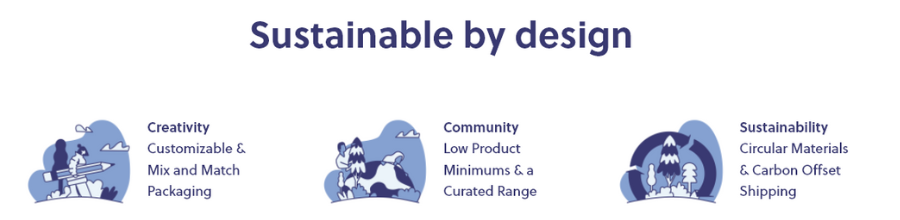
Custom, on-brand packaging for brands and retailers. Features a range of compostable packaging made from renewable plant-based materials and/or bio-polymers that breaks down within 90-180 days. Recycled packaging is made from previously used plastic products which have been processed and put back into circulation. Reusable packaging that can be used multiple times for a variety of functions features heavily in the NoIssue catalog.
Location: 8 facilities around the world
Website: https://noissue.co/

Industry-leading suppliers of eco-friendly packaging. Focused on the sustainable courier, products include mailers, satchels, envelopes, labels, stickers, tape, and garment bags. Custom packaging queries are welcome, too.
Location: 5 facilities around the world
Website: https://www.betterpackaging.com
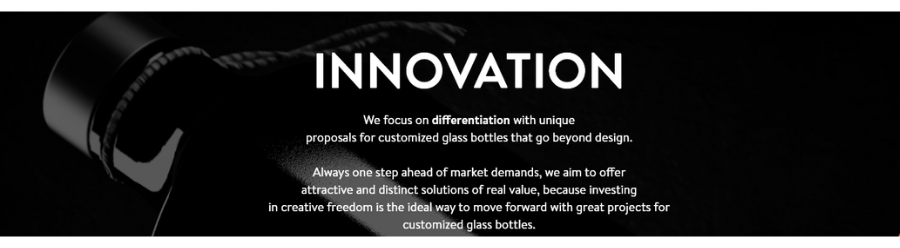
A boutique source of à la carte packaging solutions featuring eco-friendly glass bottles. Includes sustainable product packaging for food and beverages, as well as beauty industry products.
Truly bespoke services, from the initial design right down to the last detail.
Location: Spain
Website: https://www.estal.com/
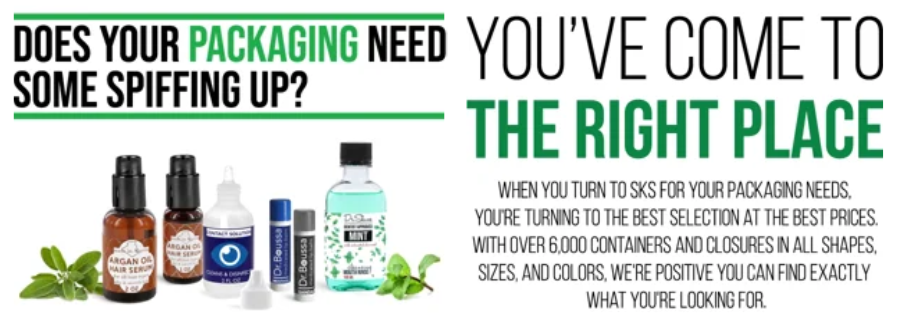
PCR materials are all made from recycled materials, but aren’t recyclable again. A great option for PCR Jars, tubes, tins, and bottles, SKS offers sustainable product packaging for the beauty industry, food insudtry, and cosmetics in general.
Location: New York, USA
Website: https://sks-bottle.com/
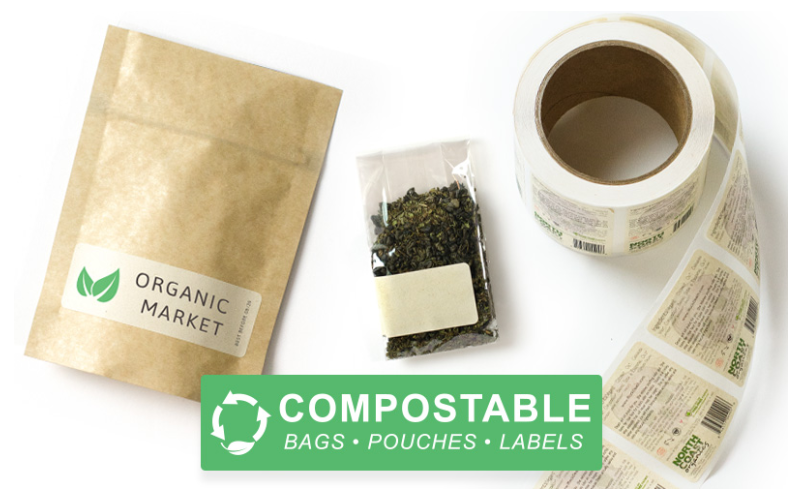
A source for simple eco-friendly bags and pouches, labels and stickers, liners, closures, e-commerce and shipping packaging, and more. Custom products on request.
Location: Chicago, USA
Website: https://elevatepackaging.com
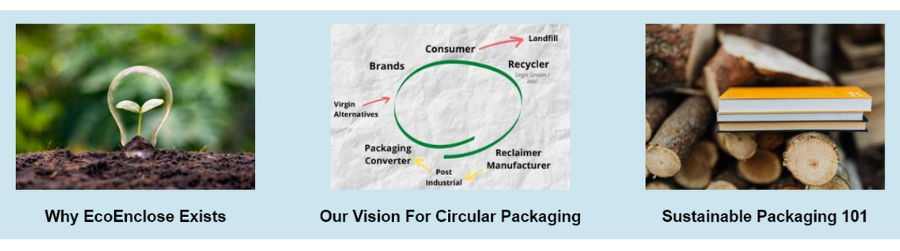
An easy choice for some of the most sustainable product packaging in recycled, recyclable, and naturally biodegradable options, but discourage using compostable packaging. Choose from poly mailers to paper mailers, shipping boxes and accessories like tape and void fill.
Location: Louisville, USA
Website: https://ecoenclose.com
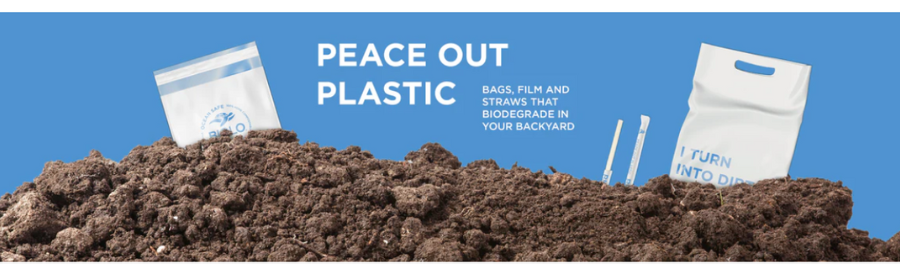
A little more niche for food service bags, films, and straws. Biolo’s packaging replaces single-use plastic and paper with high-performance, eco-friendly flexible packaging and food service products. Using biodegradable polymers, products remain sturdy and packaging withstands the demands of fulfilment, then degrades once introduced to a microbial environment.
Location: Kansas City, USA
Website: Biolo.com
Your best bang-for-buck for custom options will always be going direct overseas. I’ve got an entirely FREE e-book on working on the Alibaba platform linked in my bio on Twitter to help get you started – including vetted factory links!
If you’re interested in modern brand building, want to know more on products and packaging, are looking for inspiration, or are interested in supply chain content, shoot me a follow @orenmeetsworld. Remember to subscribe for more like this.
– Oren
READ NEXT:
Understanding Good-Better-Best Pricing for Products
I bought and customized a point-of-sale display unit that can also be used as a desk makeup brush organizer. I got it online from China. Let’s take a quick walk-through of how you can do that, too.
This deep dive looks at the product design specs and overall functionality of the sample I bought. It also features a short how-to customize a point-of-sale display unit with a brief walk-through so you can convert your own. It took me less than an hour to convert it for an upcoming client project.
Functionality: I used an off-the-rack cosmetic display sample normally used at checkout points to display eyebrow pencils, lipsticks, mascara, etc.
Product specs: Faux marble casing design, a little metallic finish around the edges, and pre-cut holes for products of various sizes. The little grommet indents in the base of each hole were a nice touch. You don’t want your stuff rolling around loose in there. My display unit was off-the-rack, but you can get most suppliers to customize a product.
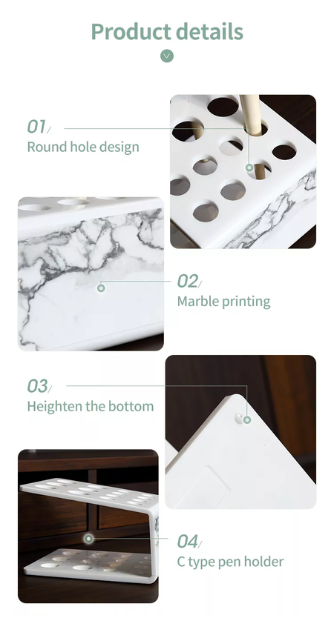
Customization: There are a few things you should be aware of when customizing a point-of-sale display unit:
Cost of product: It didn’t cost that much in total. The cost price of this point-of-sale display unit is in the range of $1-2 per item. By the time I had finished customizing my sample, it turned out to have cost less than $5, shipping included. That price drops when you’re doing a couple hundred at a time.
Time to deliver: Standard shipping wait times, around a week.
Supplier detail: Guangzhou Creative House Houseware Co., Ltd., China.
Incidentally, these are the guys that own the Hello Kitty trademark, so they’ve been in business a long time.
Hope this walk-through and deep dive were super-helpful. Check out the video from this post down below, and be sure to SUBSCRIBE for more like this.
READ NEXT:
Top Tips To Build Your Website Traffic
If you’re interested in modern brand building, I’m breaking down new strategies consistently. For more brand building, inspiration, and supply chain content, shoot me a follow @orenmeetsworld
– Oren
Looking to start a private label sunglasses brand? You may think the niche is saturated, but it isn’t. In fact, there’s a long way to go and tons of unique designs just waiting to be developed!
I’ve done the research for you, and found all the links you need to succeed. Let’s take a look at the products, suppliers, strategies, and packaging ideas out there.
But first… this post combines two separate TikTok shorts I’ve done over the past 6 months in this niche. That alone should tell you the niche is burning for new ideas. Here’s the first part: my latest TikTok short, and you’ll find the second part at the start of the Product Development Guide down below.
@orenmeetsworld Excellent factories to launch your own sunglasses #ecommercetips #fashionbrand #sunglassbrand #factories #ecommercebusiness @orenmeetsworld #greenscreen
♬ Black Out Days – Future Islands Remix (Slowed) – Phantogram & xxtristanxo & Slowed Radio
Here’s a quick breakdown of what to expect in this post:
Let’s do this…
Sunglasses are a great product to have in your repertoire, whether your brand sells something else entirely, it’s a fashion brand, or you want to do something specifically in sunglasses. Sunglasses are an easy item you can add to your brand or corporate merchandise, and are always a welcome gift.
There are a lot of sunglass factories out there with tons of different styles to choose from. If those styles do end up getting popular, you can adapt your style and make it your own again.
NOTE TO THE READER:
I was going to change sunglasses every time I change in this video but I don’t have the attention span for that
These are acetate sunglasses, made in China.
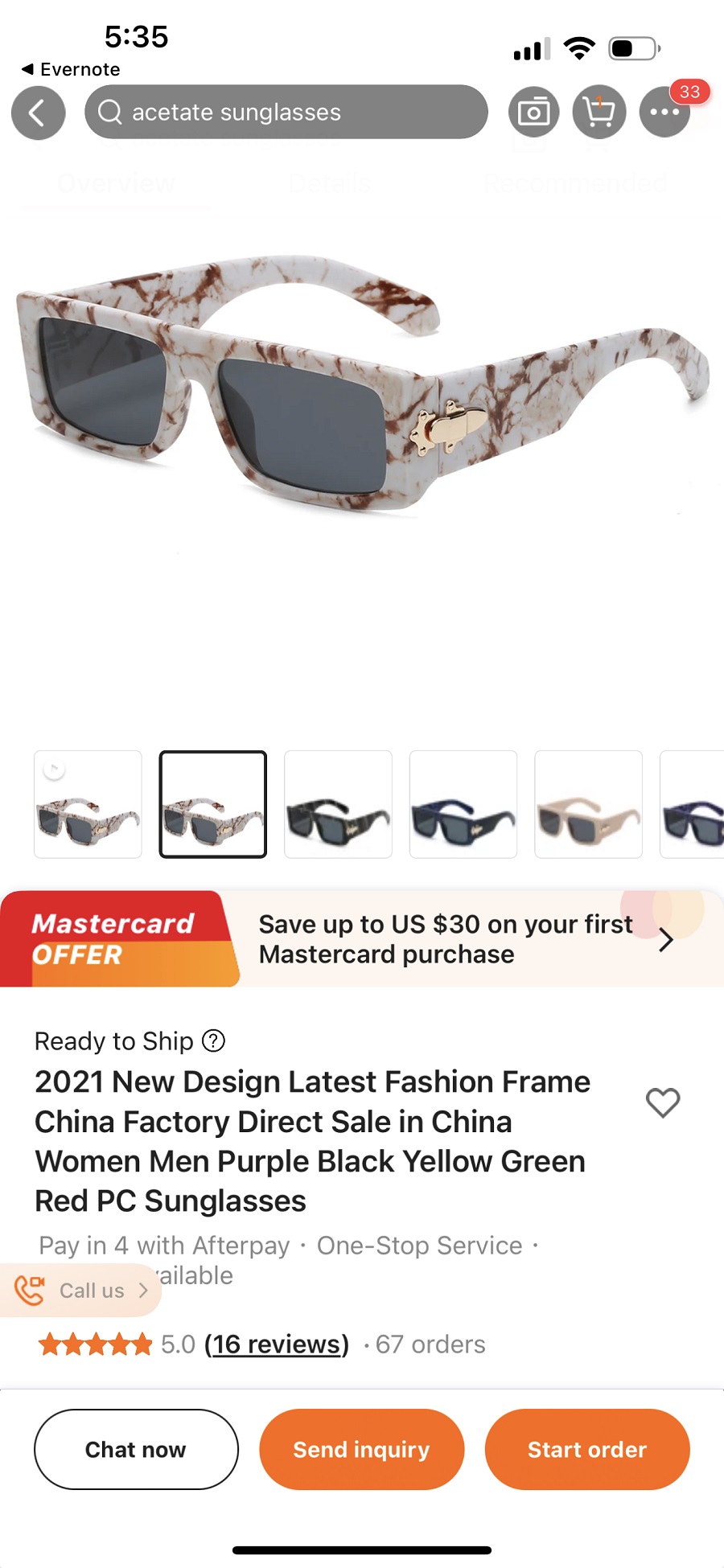
This particular style is pretty easy to mimic. You take any style you see from a vendor, and minorly adapt them by either:

This is the cost of the acetate sunglasses above so you can see just how much margin there is in starting a private label sunglasses brand. In adapting your product, you’ll want to look at things like adding polarized or anti-fog lenses. Also, ensuring your sunglasses are of high quality so they sell well is quite important.
Considering this baseline cost may go up by a few bucks before you actually order, I’d just go ahead and ask any vendor you liaise with to make sure you get the highest quality version they offer. At the end of the day, your return on investment will make sure it ends up being worth a couple of extra dollars initially.
These are my top 4 choices for private label sunglasses vendors.
This is the vendor I’ve used the most. They have a 4.9 store rating, 99% on time delivery, and over 1,000,000 transactions to North America.
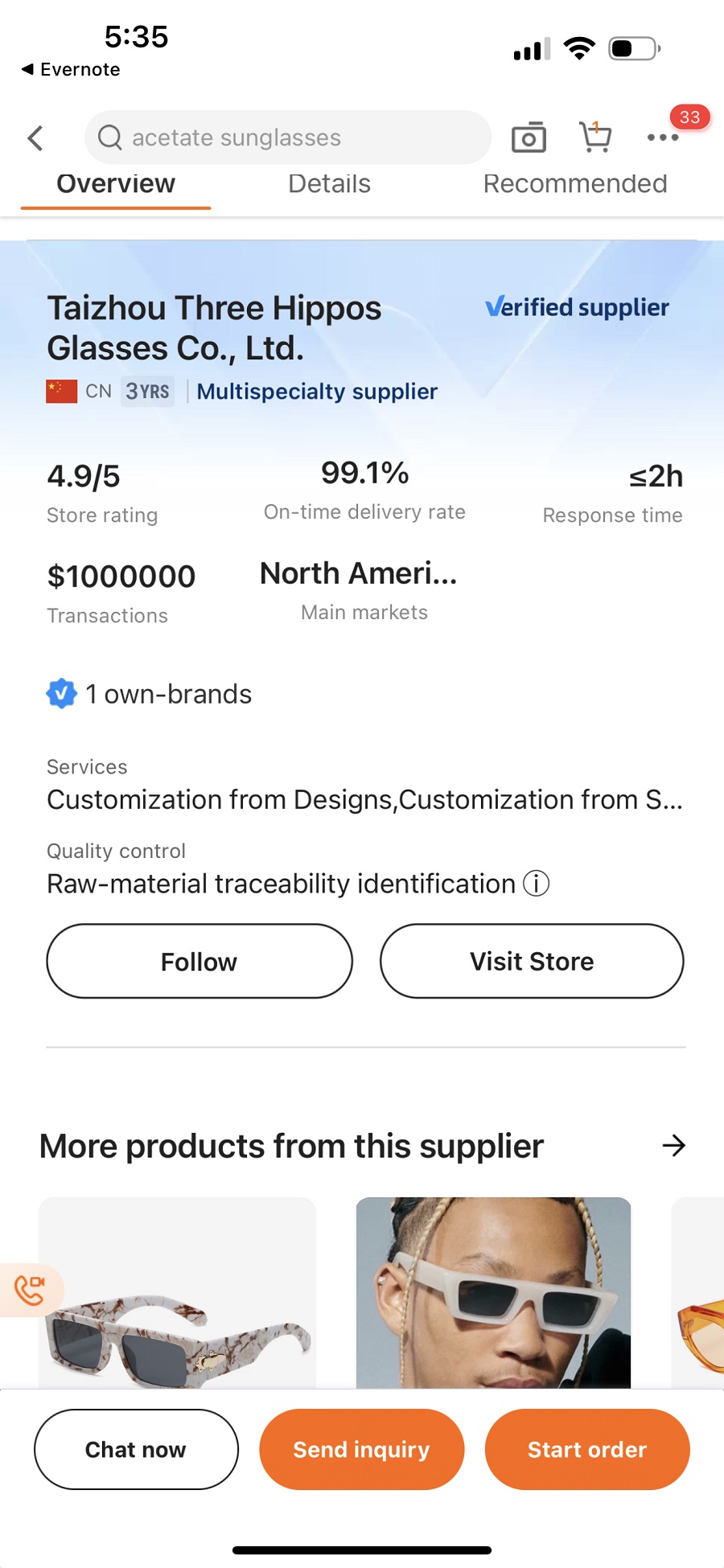
This is a great supplier for Alibaba. You can see a wide variety of styles, still at those low price points that you can use as a base.
Moving on to another good option you can have in your repertoire, as well.
This vendor has these super-fun, kind of vintage, bike-inspired sunglasses, as well. Some weirder styles (in case you’re trying to get odd/rare/truly bespoke designs out there).
Your 3rd option has some more basics.

It is a little bit more expensive, but definitely worthy of a look.
Overall, private label sunglasses is a super-competitive market but this is a great add-on product to apply your own patterns or looks to. It can complement your existing brand and it’s also a low-cost start.
If you’re considering selling your own products, getting a hundred sunglasses that showcase your customized designs aren’t going to cost you that much to test the waters in e-commerce.
If you’re on Instagram, you’ve seen sunglass brands ads selling for $40-80 a pair. The secret? They cost about $3-10.
Add:
That’s $25-65 profit each, and they’re selling THOUSANDS monthly.
Here’s how to develop your own…
First things first, order your favorite brand’s pair online. Write down EVERYTHING about the experience:
Note everything they’ve considered and what you think could be done better.

Next thing to do is find a private label sunglasses factory. Use Alibaba, and search for vendors with:
That’s going to ensure you have someone legit. Here’s an example of good and great.
If you’re looking for inspiration on designs, check these brands:
Let’s break down a few different product approaches with relevant factors:
Sporting sunglasses is a great opportunity for brands.
Anti-fog sporting sunglasses is also a great opportunity for niche sports – make a specific brand for golf, biking, running, pickleball, etc. Really, wherever you have a passion or see a need not being filled.
Back in step 1, you made notes about features, usability, colors, etc. Use these links and breakdowns to refine your selection, based on those choices made.
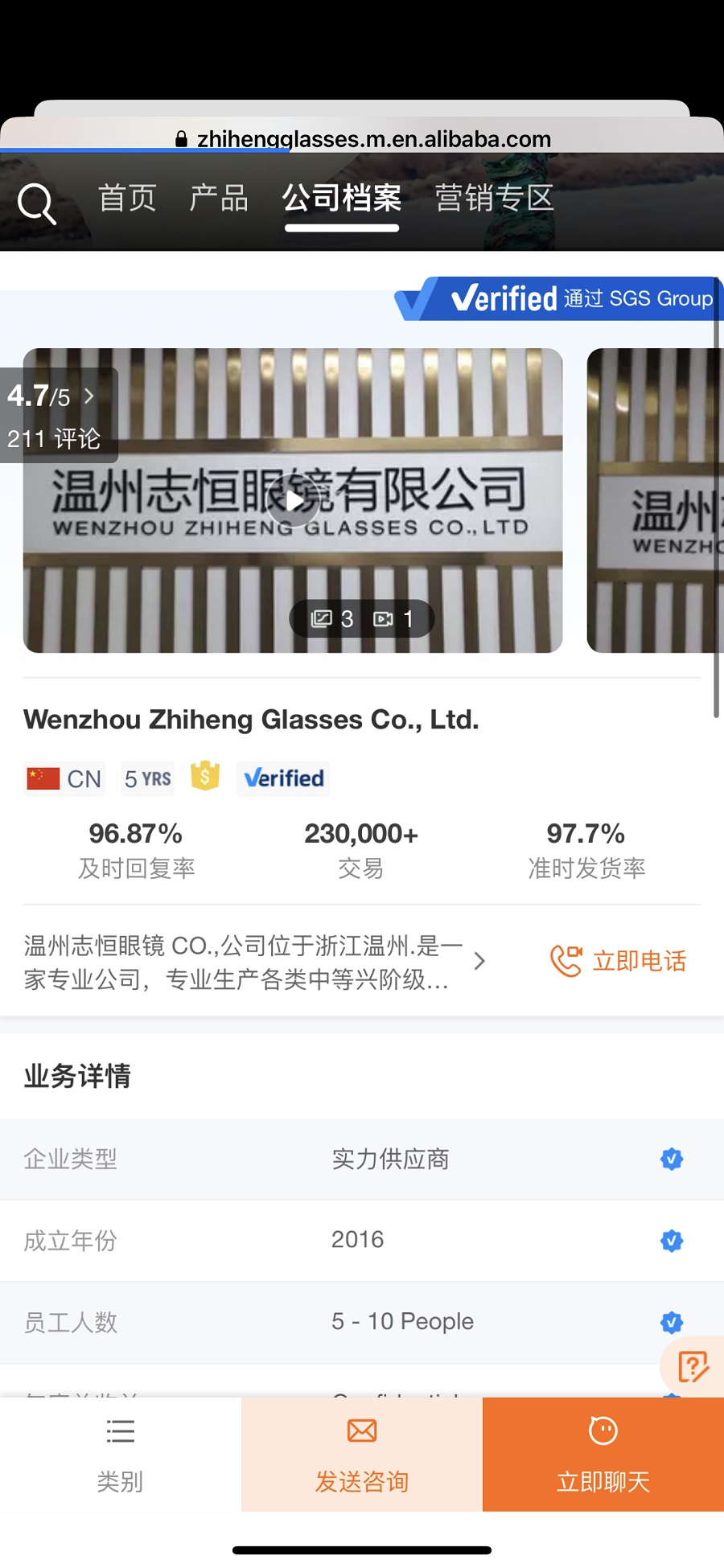
Factory: Wenzhou Zhiheng Glasses Co., Ltd.
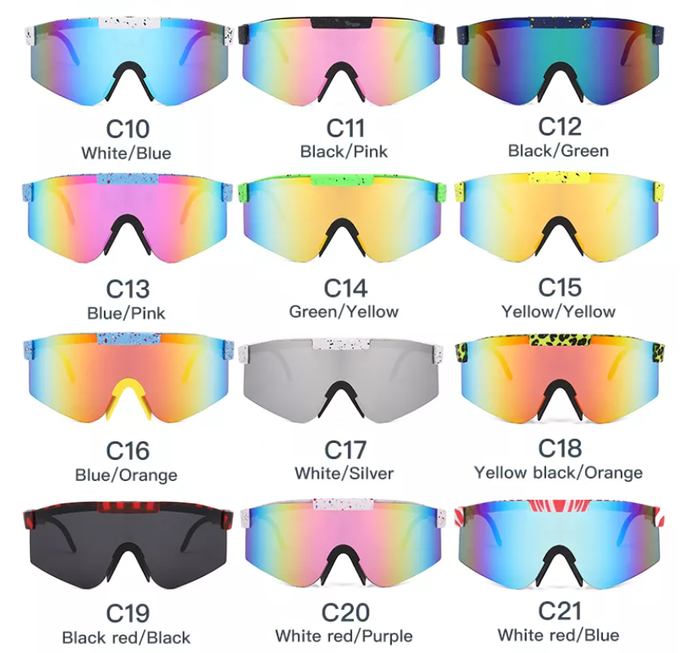
I would recommend really going all out like this on the nicest of everything and trying to go over $100 in price point, but that’s just me 😉
Tangent-type goggles for about $20.
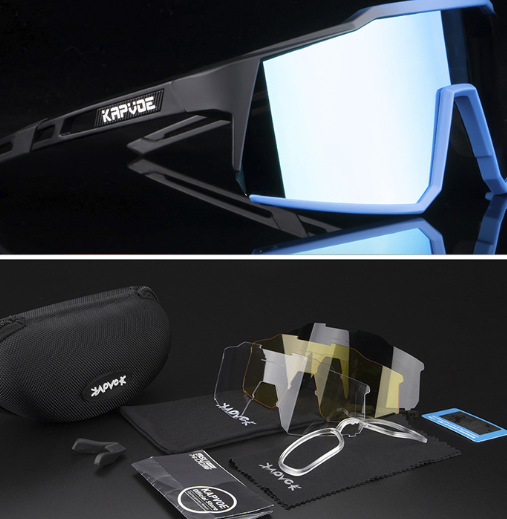
… Interesting opportunity. Resorts could crush with these handy.

The key to success with any of these is to do OEM (custom). Take one of these existing designs and modify them to be perfect for what you think will succeed.
Unrelated, here for this surrealist factory ad.

A fantastic option if you have an existing following is to brand hip styles. I’ve got a great factory that takes current hot looks and offers customization/logos.
Factory: Taizhou Three Hippos Glasses Co., Ltd
They start at about $1.20 a pair and you customize at 100 units.
Some current men’s styles at less than $2 with an MoQ of 300 pairs for custom
There are factories that specialize just in women’s and men’s contemporary styles:
Big winner if you have an existing audience.
Factory: Wenzhou Lenlook International Trade Co., Ltd.
Selling basics is ultra-competitive, but this is a great category for giveaways or corporate merch.
You’ll also find plenty of designer bootlegs.
The trick with these vendors is to ask them for the nicest, highest quality versions they can make, and apply your own changes.
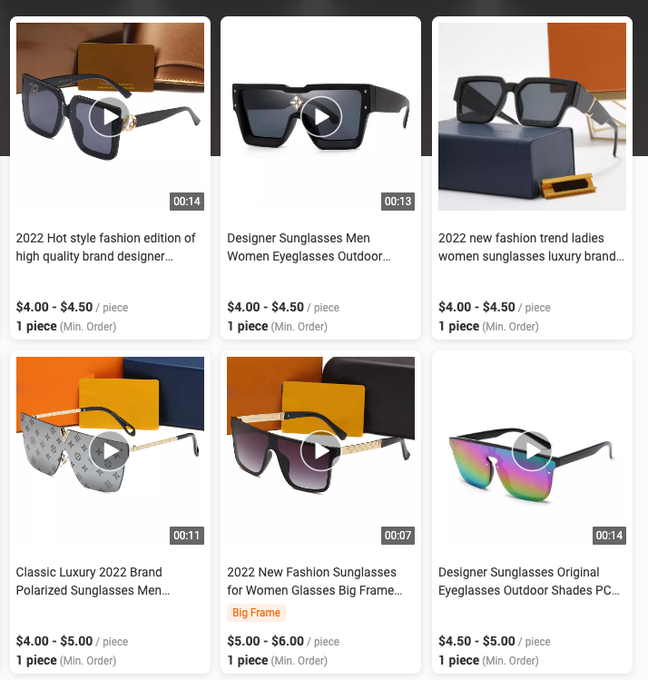
They’re not a long term fit though. If they bootleg others… they’ll probably bootleg you.
Make sure to customize your product! Some quick ideas:
Also decide where you want to live on the value scale…
It's a golden age for selling your own products.
The Good, Better, Best framework helps you price and position to win 👇🏼
— Oren John (@orenmeetsworld) April 19, 2022
RECOMMENDED READING:
Ready to start a sunglasses brand?
Read Understanding Good-Better-Best Pricing for Products
Next you’re going to move on to packaging. Ask your vendor if they will wrap and box your product with a custom item. This is a cheaper option than domestic.

Here’s how to manage your packaging needs:
Now head back to the list you made when ordering your favorite brand in the development stage. Think through if your packaging, box experience, carrying, etc. matches up with the experience you’ve gotten from an existing brand.
This is a key exercise to constantly refer to as it helps prevent details from getting lost.
Once you’re ordering your product, we hit logistics.
Too much product for your house? You need a 3PL (third party logistics) or FC (fulfillment center) partner. Here’s my comprehensive list:
Best 3rd Party Logistics for CPG Businesses
When it comes to e-commerce there’s 100 quality followers on Twitter that can juice you up with great info.
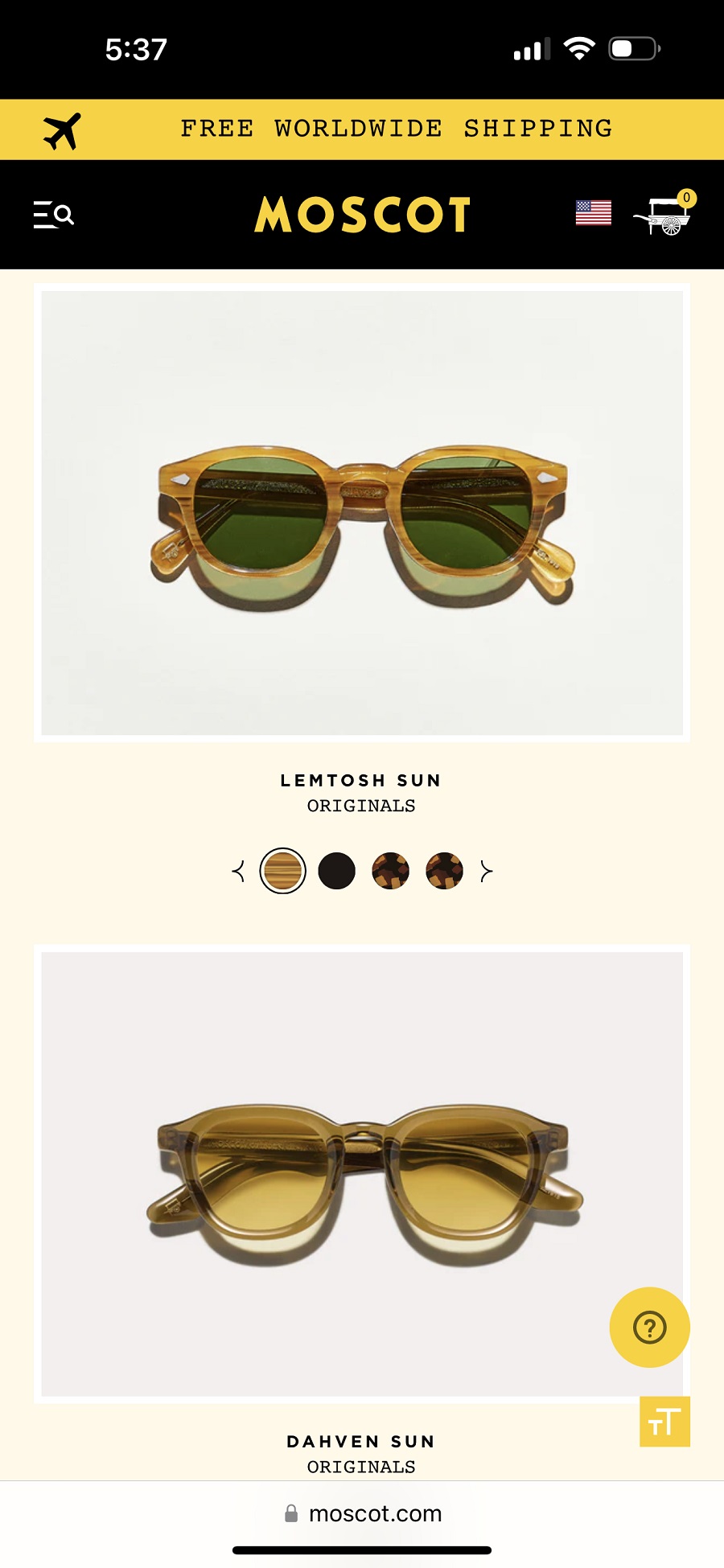
I will say, in this niche in particular, photography is a huge part of what can make the product stand out when selling online. Moscot crushes this.
Check out some sample pics below:
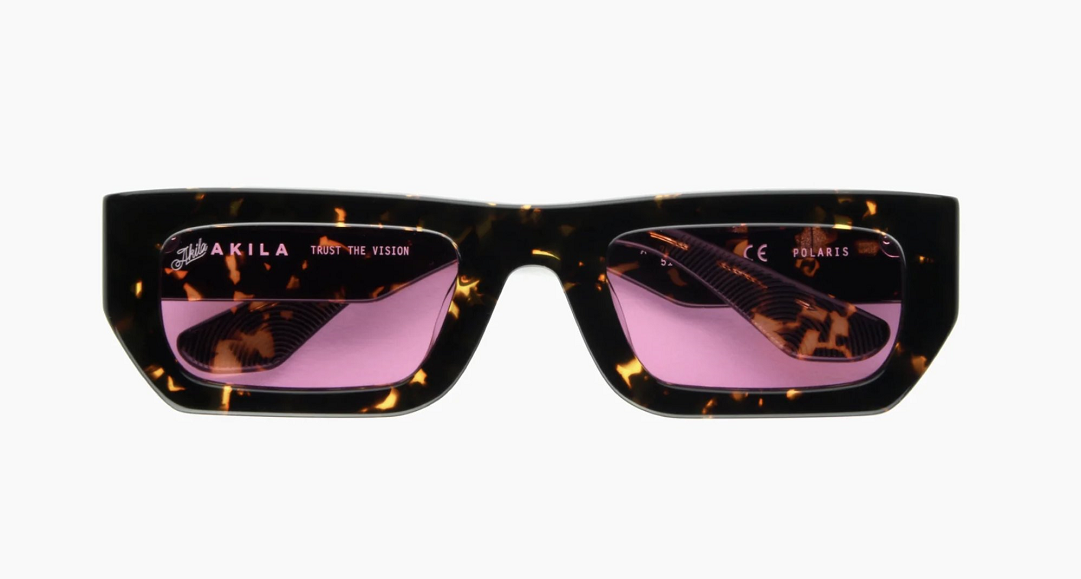
The next 18 months are a once-in-a-lifetime opportunity to build a brand on Tik Tok.
Start a private label sunglasses brand now!
Thanks for reading. I regularly break down sourcing and developing different products to 5,000+ entrepreneurs on my Product People newsletter. You should join me there.
– Oren
Twitter: http://www.twitter.com/orenmeetsworld
LinkedIn: http://www.linkedin.com/in/orenj/
TikTok: https://www.tiktok.com/@orenmeetsworld
Check out 2 newsletters from my best friends, James & Colin
Free Smoke –A Cannabis business newsletter by Colin Landforce:
https://freesmoke.xyz/
NanoFlips – Learn the art of buying, growing, and selling websites with James Camp:
https://www.nanoflips.com/
You can learn more by joining the thousands of happy readers already on my Product People newsletter. I’d be excited to have you in the community!
With very few exceptions, products aren’t just suddenly launched out of nowhere. Much like a new project needs the guidelines that a project brief would offer, you need to create a product brief for products in the design phase.
This is a walk-through of product brief basics you need to know and best practices to create them. Learn how you can make your own briefs, and what information needs to be included in a good product brief.
Keep reading to see a product brief in action as we put together a capsule collection for some friends. Learn more about how to create a product brief now.
More than anything, your product brief is a clear and detailed guide that provides everyone with approved design instructions for the build.
Whether you have your own team or you’re doing this with a client, you need a document where everyone can collate their resources and say “Hey, this is the approved thing that we want to do for XYZ product.”
There are a few situations in which you’d need a product brief. The most obvious of these is to:
Once you’ve found a format that works for you, keep it consistent, and refer back to it often. This is especially true when placing repeat orders with overseas factories.
A good product brief is an unambiguous and uncomplicated document. It doesn’t have to be long and it doesn’t have to be perfect:
The actual design of the brief doesn’t matter; content does.
List out all the products that will be worked on and their components – packaging, accessories, anything in the box.
I do recommend if you’re going to a factory to make it super, super detailed and cover absolutely everything!
PRODUCT BASICS
QUANTITIES
PRICING
For the capsule collection we’re going to use a broker who already has existing relationships with a factory and they’re going to do some of the translation. We’re keeping this example a little more high level but you’ll get the gist.
Just a reminder that the design of the brief doesn’t really matter as long as it’s detailed and follows a logical flow. The content is what’s important here.
First things first is to actually list out all the products that are going to be worked on and their components. In this example we’re doing a sunglass product, so we’ll need the sunglasses themselves, the removable strap, and a semi-hard case. We’re not boxing them but we may still need a manual.
This is listing out all of the different components inside your items so they know the entirety of what you’re looking to create. This is especially important when you’re creating a product line.
Next up, we focus on listing out the target quantities we want to do for each of the line items. You’ll want to put your quantities down so you actually know all the things that need to be included as a part of your product. You can check those off one by one inside the brief itself.
If you’re doing this internally and making your own products, you’ll have factories and stuff already in place. Here, I’d be putting in target hours or target price points but there’s no reason to send your target price points to your broker or your external factory. Focus them on the bottom line, sure, but let them price to you.
In our example brief for the capsule collection we’ve taken some inspiration from the brand Sporty and Rich because we really liked four of their colors. You can include color blocks in your product brief so the factory knows exactly which color you’re referring to.
TOP COLOR-MATCH TIPS
Now that your product brief basics are down on paper (so to speak), it’s time to walk through your primary product concepts. You may have only one product; I like to work in product lines.
Having a product line lets you have a “hero” product, some secondary products (that aren’t scheduled to be the core seller), and then some accessories. These accessories are essentially products that people are going to add on to almost every purchase. This is your upsell, and it’s an overlooked gem.
Your next slide is going to just outline the top things you’re trying to achieve, like an overview of your vision. It makes sure everyone knows and is aligned on what you’re trying to do.
Then we get to the complicated parts, which includes any standout functions or technologies that are required. You’ll actually need to detail this quite well so specify that these are technology examples, not visual examples. You don’t want to look like your competition; you just want to have some of the same tech they’re using to try and find something similar in what you’re putting together.
Next up: the style and any notes about the product itself. Get all the details that you want into the product notes. Again, not super-specified yet. No mock-ups; this is just getting the conversation started to get into pricing.
Include a secondary option in case they couldn’t get something that looked or was quite like what you envisioned first. Make sure you’ve included branding because it impacts the bottom line from a style and color perspective.
IMPORTANT NOTES
Once you’ve broken down materials, visual examples, and links in your product brief it’s time to send your brief. Get on a call with your broker or the factory and walk them through it all so people can get a better idea.
Even if you already have a good, existing relationship with your broker or factory, you should still request a list of questions they have for you to answer. This process takes a day or two, and you’ll want to get all those out as quick as possible to move on to the next steps.
Discuss timelines and start assigning due dates. Build a chart of who’s doing what to get your quotes and your designs completed.
This video will walk you through my process, using sunglasses as an example product.
And that’s it! Many people have many formats for how this works. I found that mine in particular is not too crazy. It gets all the product brief basics down, is perfect for getting the conversation started, and gets a ton of information out at once.
I hope you found this walk-through super-informative and valuable. Let me know in the comments below where your snags were.
– Oren
READ NEXT:
How to Create A Luxury Brand
Want more factories, insights, and tutorials like these on how to make products come to life?
Join thousands of like-minded readers on my weekly Product People newsletter covering building brands and differentiated products
Does it seem like everybody’s graphic design is absolutely next-level on their brand identities right now? You’re not alone in thinking that. These 6 best design tools will help you elevate your brand’s style and make your designs really POP!
No time to read?
Check out my TikTok Short video below, or scroll to continue reading.
@orenmeetsworld These are the tools to make your brand’s style up to par in 2022 #brandingtips #brandingdesign #brandidentity #marketingtips #designtok @orenmeetsworld #greenscreen
♬ ASTRO Trap Beat – Hip Hop Instrumental – AfterInfinityMusic
This series of graphics was a collaboration between YouTube and 18 top creators – including Saint Urbain, a creative design and branding agency based in NYC and LA.
The designs were part of the YouTube Shorts snack challenge for VidCon 2022. The 18 designers that took part in the challenge had some really sick designs all throughout it.
Fonts are just getting better and better. Yours can, too.
Check out Type Department. They have a wide selection of fonts that are really sick and instead of having these massive, expensive $900+ licenses to get the good stuff like other foundries do, Type Department is really affordable. Go grab yourself a good license for $30-$60 and get the hot fonts you need.
The world of the PDF brand guideline is completely dead now that brand guidelines are online and collaborative.
BrandPad is a great way for you to get your brand into this new generation of having all your design assets in the cloud and collaborative, which also means the people you’re working with will be able to work together better and faster.
Speaking of working together better and faster, Figma is an online, all-in-one graphic design tool that helps you create flow charts, user journey maps, and more. It’s like having a collaborative Photoshop in the cloud…
It’s a really simply and easy way for people to design. If you’re on a team and collaborating but not using it, I highly recommend you make the switch.
Stock images are one of the biggest things that help you stand out but not when they make it look like everyone shops the same images off iStock.
What I really love about DeathToTheStockPhoto is they have a super-unique library, very distinctive style, and a well-curated collection that’s refreshed monthly. At just $12 a month, it’s super-cheap and best of all? Usage is unlimited! Vote on what the next photoshoot is and be a part of the community-driven process to get the perfect photo your brand or next project needs.
Sign up to Creative Market and get pre-made assets and packs once-off and cheap. Get graphics, icons, textures, web elements, fonts, presentations, logos, branding templates, wireframe kits, and so much more.
The free account gives you access to free assets or sign up for monthly drops worth every bit of the $19-95 subscription fee. This is the tool every serious designer needs!
Leverage the best design tools and see what good designers are using to elevate their designs. If you have an existing brand or are in the middle of creating a brand, you need to think about how you’re going to make sure you’re operating at this level of quality to stand out from the crowd.
Contiue to iterate because brands aren’t permanent anymore; they’re at this permanent state of flux which provides a really interesting state of environment for design teams to work in.
Thanks for tuning in and reading to the end. Let me know in the comments below if there’s a tool you think we should add to this list!
– Oren
Twitter: http://www.twitter.com/orenmeetsworld
LinkedIn: http://www.linkedin.com/in/orenj/
TikTok: https://www.tiktok.com/@orenmeetsworld
Check out 2 newsletters from my best friends James & Colin
Free Smoke – A Cannabis Business newsletter by Colin Landforce:
https://freesmoke.xyz/
NanoFlips – Learn the art of buying, growing and selling websites:
https://www.nanoflips.com/
READ NEXT:
Travel in Style: The Best Luxury Luggage Brand
I write about tools and ideas to bring winning physical products to life. Whether you have a brand or want to build one in the future, I highly recommend joining the 3000+ happy subscribers on my Product People newsletter!
Be sure to subscribe via the link below!