
We’re going through the yearly exercise of reviewing brand style guides and preparing for each brand’s next iteration. This is an old guide for the Cabana brand–I’ll break it down to showcase crucial tools for consistent branding.
First off – let’s take a look at the difference between a style guide and a brand guide:
Style guide = a document to show all the visual elements of a brand–logos, fonts, colors, patterns, visual guidelines etc.
Brand guide = the above + pages that cover some of all of–tone of voice, messaging, art direction, campaign direction, user personas, etc.
Why use a whole page on logos in a brand style guide?
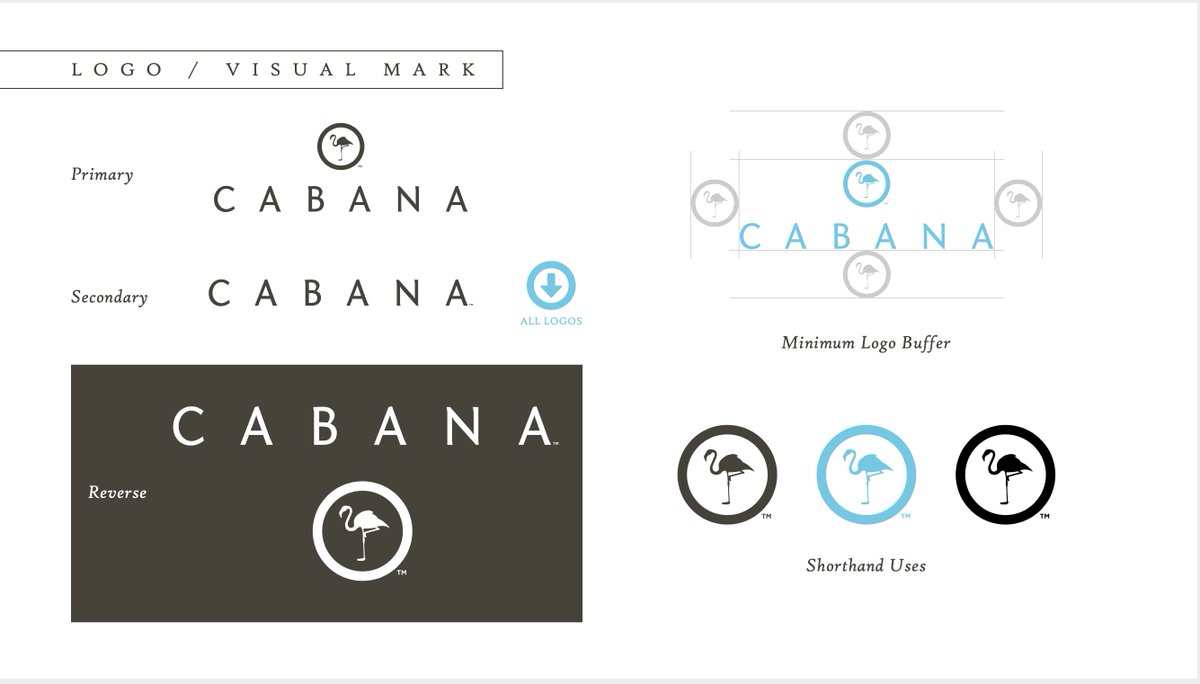
For logos to always represent the brand right, they often have rules about when versions with various colors are shown. Below we see how they show up on light and dark, and how best to space around them.
The colors page covers the main and secondary colors, and when they should be applied, plus the actual color codes for designers/printers.

This is especially important if you’re matching colors on printed products. Slight variances can lead to dramatic differences on shelf.
Same with fonts and typography – what fonts are used, in what application, what sizes, how do they look together, etc.

For more digital-focused brands, brand style guides exist in Figma or on a website with embedded styles for easy development.
In the rest of the guide we didn’t cover everything but we did hit:
Every brand and their needs are different:
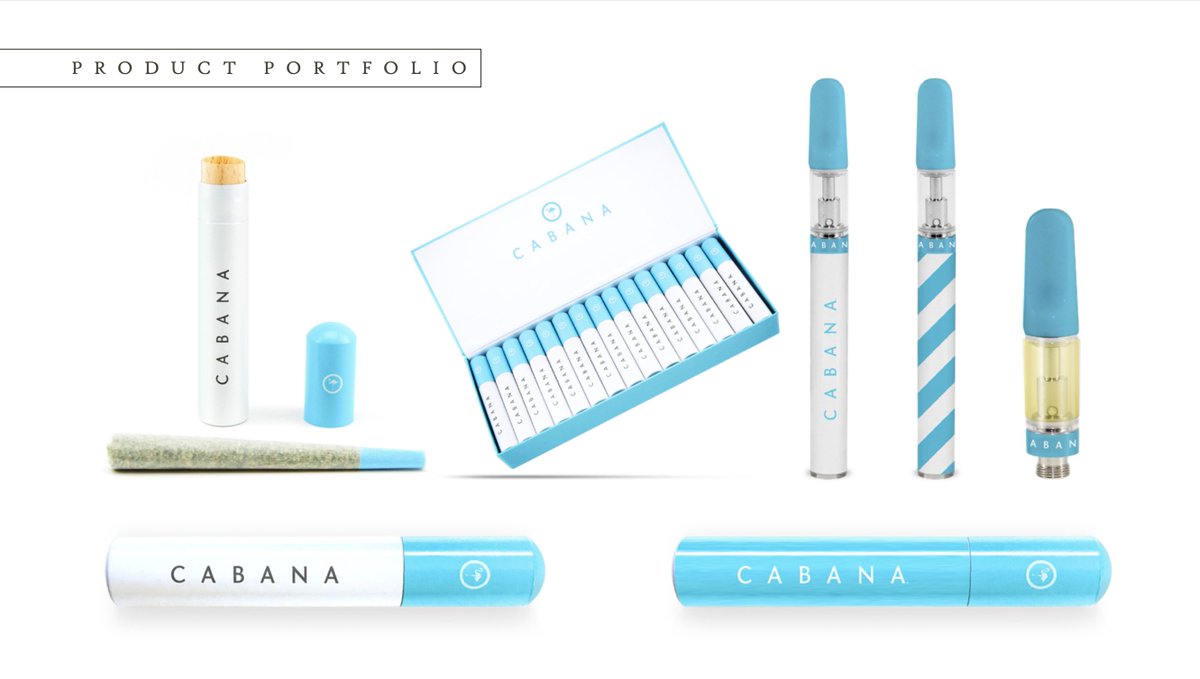
This is from years ago. All our brands are evolving, and even subtle things can change what the brand needs to show.
As voices change online, so does the voice of a brand. As mediums change, so do formats and performance of photography. Colors move in and out of vogue.
Having a strong brand doesn’t mean never changing – it’s about having a team that knows when it’s time to adapt, and iterates authentically, with excellent execution that is thoughtfully concepted.
The excellent designer of the Cabana brand was Jarren Simmons.
Thanks for reading. See the original Brand Style Guide Twitter thread here.
READ NEXT:
How to Create A Robust Product Development Strategy
I write a weekly email newsletter of bringing products to life. Smash that Twitter follow @orenmeetsworld for more brand and aesthetics breakdowns and be sure to subscribe via the link below!
It cost me $50k+ and multiple trips to Hong Kong & China to find my factories. But now you can find any brand’s suppliers – whether local or international – for FREE, with ImportYeti.
I’ve been sharing tons of factory links to overseas and domestic vendors for clothing, supplements, wellness, sports and more.
But I realize everyone has their own product ideas, and while these tools are great, they don’t cover everything. This is your sign to make your own product.
The ultimate tool for finding the best overseas partners?
Any shipment to the US from overseas of a certain size requires customs sea shipment records. ImportYeti aggregates these for easy search.
ImportYeti is a goldmine for finding brand connections.
To start, you need to know the company’s actual business names. Your best bet for this?
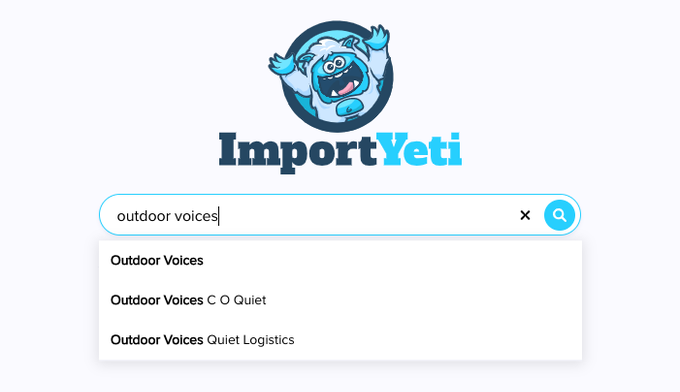
Now you just search ImportYeti:
Note that most things will come up right away just with the brand name. Here’s an example with ‘Outdoor Voices’.
You’ll get a list of companies:
Our example shows 56. Jackpot!
Note that brands with multiple hubs will often have multiple results:
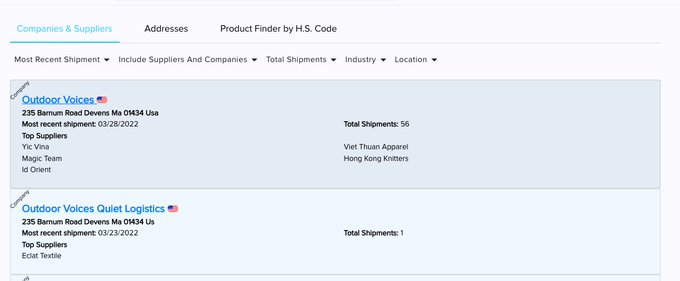
Once you’re displaying these results, you’ll get a list of all their shipments. Here you see a wide variety of factories, mostly Vietnam, some China:
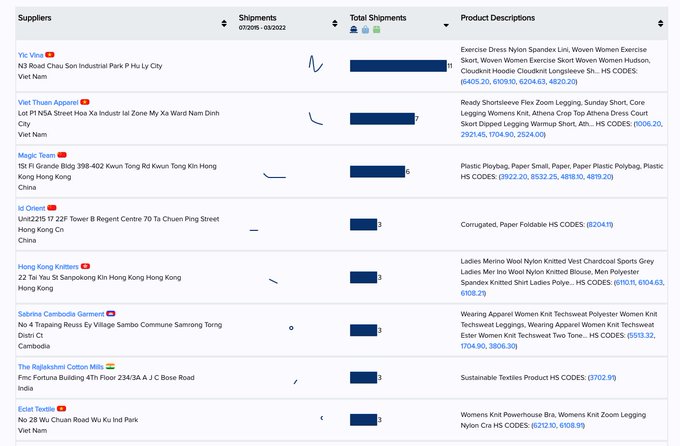
I clicked the first (and most popular) result:
This is a WINNER!
ImportYeti will also brand map factories, their top brands, and those brands’ top partners. This is CRAZY information to be available to anyone
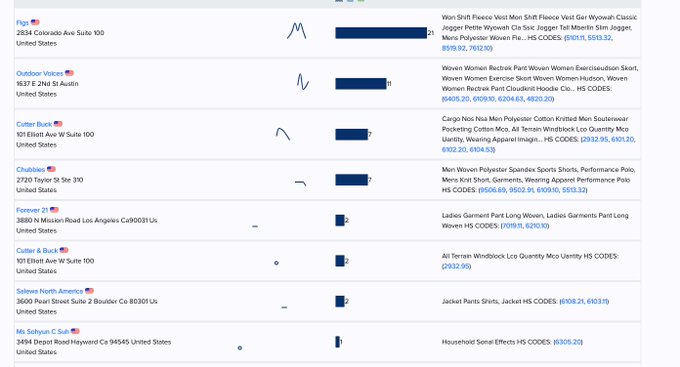
In some cases, you will run across brands where the majority of shipments come from one factory, and that factory has no other relationships.
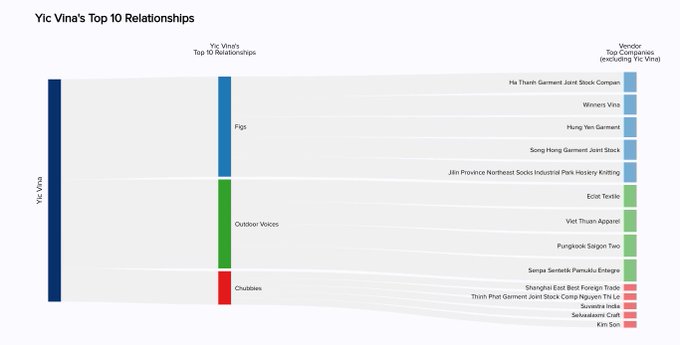
This is a vertically integrated brand who has their own factory. You’re out of luck 🙁 but kudos to them, though!
ImportYeti doesn’t just index factories in Asia, either.
One of my favorite menswear brands is John Elliot, I love them for their quality… and guess what? A lot of their shipments are from Italy:
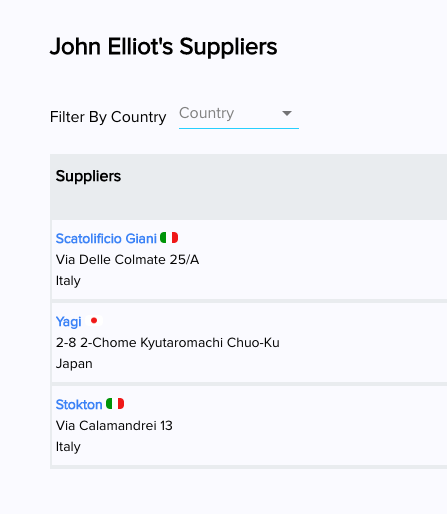
Still not sure you can find the right overseas manufacturers or suppliers for free? ImportYeti is also not just for clothes.
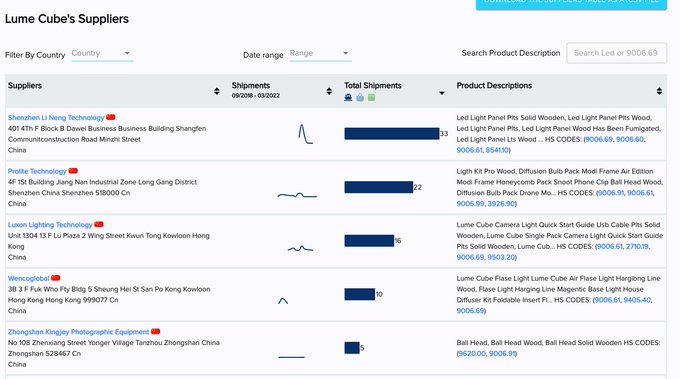
Once you have the factory, there are options on-page to search via Alibaba and Google.
A couple of things to note:
There is absolutely no excuse not to start your own brand! The sourcing of these products is commoditized. Anyone can find the perfect factory for their product.
What should stand out in your search criteria? Actual innovation, branding and marketing.
With great execution, the next big brand is… YOU.
– Oren
READ NEXT:
The Best Supplement White Label and Private Label Vendors
If you found this valuable I have an super-powerful newsletter about bringing products to life. I put EVERYTHING in there, product and branding gems weekly from all of my (rapidly increasing) projects.
My life in branding revolves around constant references on design sourcebooks for inspiration and assets.
Here’s are the ones that really make a difference to me.
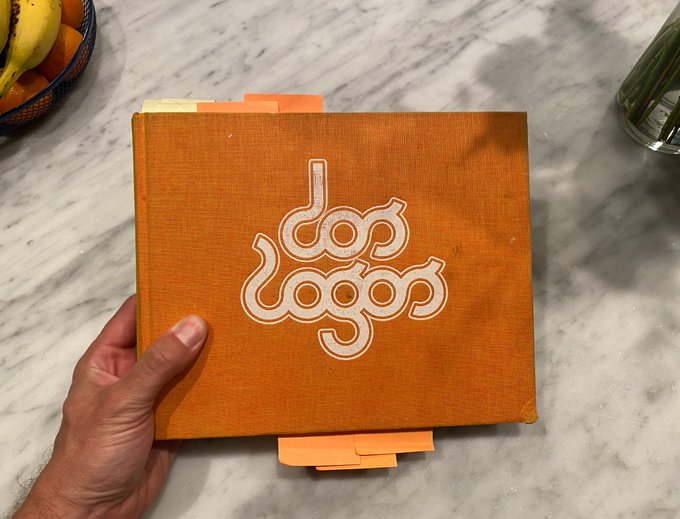
The Los Logos/Dos Logos compilations are an inspiring collection of current developments in logo design – a must-have for designers, brand managers, and marketers.
A pattern guide set with source library cd – having the patterns to quickly trace and look at visually or over a physical item is great, and browsing the book over the files when looking at repeating patterns is 10x improved.
If you order off of Alibaba or direct from overseas factories, this is the best reference book! Features detailed information on textiles so you actually know what you’re asking for. Great for understanding what the ups/downs of each individual fabric or polymer is for what you’re creating. Super thorough!
This design sourcebook has so many innovative layouts and nostalgic idea inspirations for web experiences and brand identities.
This one might seem strange, but if you’re working on modern brand identities you’re inevitably going to consider “natural” colors in your directions. What better source of natural colors and combinations than nature itself?
This design sourcebook comes complete with companion image library of useful vector objects of surprisingly diverse type and quality. A level above stock sites!
ARTWORK contains tons of sketches and process inspirations from throughout Abloh’s career, with a markedly unique approach that often inspires teams I work with to think differently than the traditional processes out there.
I work primarily in complex industries where digital advertising is restricted. Inspiration from previous generations of designers focused on regulated industry is crucial.
Have you got any other design sourcebooks you rely on to get your job done? Definitely drop your ideas in the comments!
Thanks for reading. See the original Design Sourcebooks Twitter thread here.
– Oren
READ NEXT:
Sustainability Needs To Come To Fashion
I write a weekly email newsletter of bringing products to life, and I’m focused on building businesses and sharing tons of resources along the way— smash that follow on Twitter at
and subscribe via the link below!
I’ve sold $100,000,000+ in branded products to date. Here’s how to create a product that stands out.
I’ve either developed or sold:
Today we’re going to focus on products for DTC entrepreneurs.
Brands fail because their products don’t resonate. Drop-shipping products or ordering straight off Alibaba won’t get long-term success. You need to create a product that stands out from the crowd and draws your customer in.
Products that succeed need to be special. This is a mix of:
This is the #1 area to focus (and also the hardest)
Can your product solve something for a user that makes their experience in your category better than ever?
Examples:
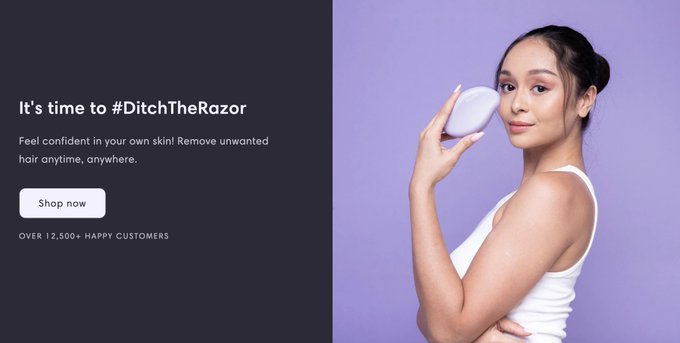
Can using better materials make the product better, or more unique for a specific user group?
Examples:
There is a whole cottage industry of making products that just look good on social media or by comparison
Examples:
Whatever you’re creating, zone in on a smaller demographic– occupation, gender, race, background, region, belief system, taste etc.
Make a product that someone feels was really made specifically for them.
Example:
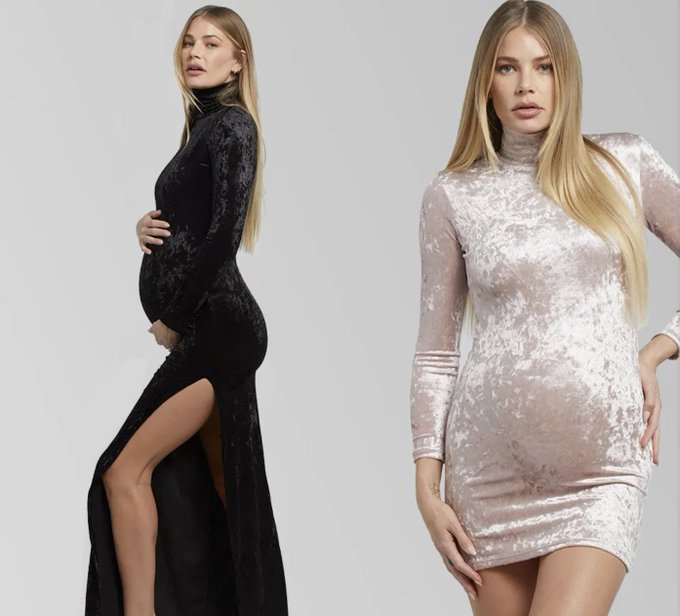
Many new products come out as one thing, which consumers can look at as “fly by night”. But a set of products that work together, and provide a roadmap to better solve the user’s pain points over time, is a differentiator.
Examples:
This is extremely overlooked. If you sell a normal product, but add free digital content… You’re providing more value than the competition
Ideas:
Making products more reliable & sturdier solves a huge pain point for many products. Spend more to make your product extremely reliable.
Then back it up with a money-back guarantee 2x the competition, or even a lifetime.
Examples:

Especially for technical, complex, or very frequently used products, sell customer service.
If you have the same product as the competition, but you answer the phone immediately 24/7, you can win.
Example:
Allowing your products to be customizable, and having many different versions (especially appealing to niches, licensing etc) gives brands a way to stand out by making customers feel like what they buy is unique to them.
Example:

Nothing helps a brand resonate more than an army of customers or fans acting as evangelists, and making new potential customers feel they’re buying into more than a product, they’re buying into a place they belong.
Examples:
If you’re looking to find the perfect product to launch, here’s my factory connects master thread on Twitter…
This is your sign to make your own product.
I’ve vetted 50+ factories across fashion, cosmetics, supplements and more. All the plugs are below, make sure to bookmark 👇
— Oren John (@orenmeetsworld) April 7, 2022
If you apply multiple of these principles directly to a great vendor, you can make something great.
Hopefully this got your wheels turning!
– Oren
Remember to subscribe, and follow along as I help my community bring new products to life on my Twitter Account. Join us and follow for more product creation insights
READ NEXT:
How To Create Your Own Sauce Brand
If you’re interested in more insights on how to bring products to life, with direct links to factories and wholesalers, I write a newsletter to 1000+ product creators every week on my Product People newsletter.
Today we focus on websites that will help you develop an e-commerce strategy, find new ideas for products, differentiate your brand, get manufacturers, and find growth marketing ideas. It’s a playbook of modern tools that feels like a cheat code for finding products that will work… and then growing them.
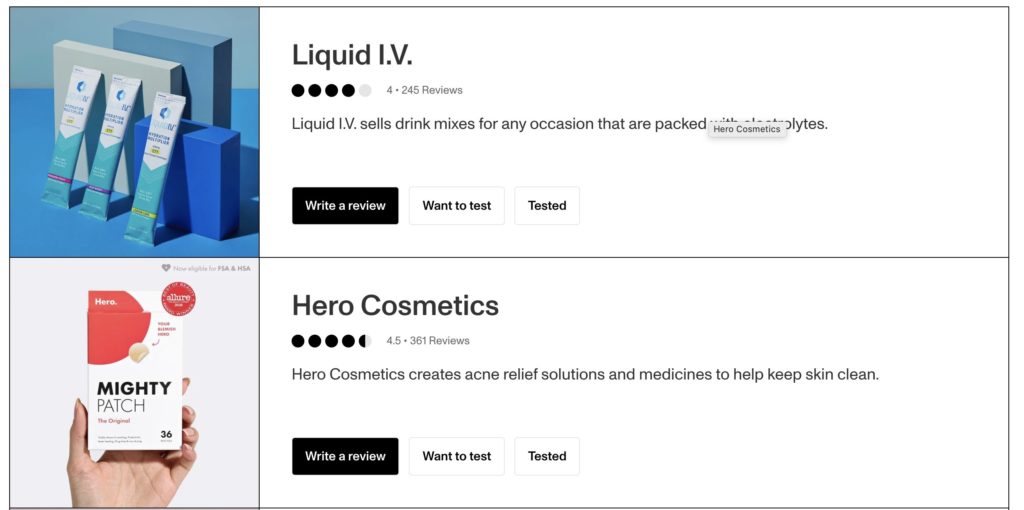
An excellent curation of new products and brands. Plus, they feature reviews of what consumers do and don’t like. This is a fabulous feed of hip, new products and you have the ability to identify emerging trends by category.

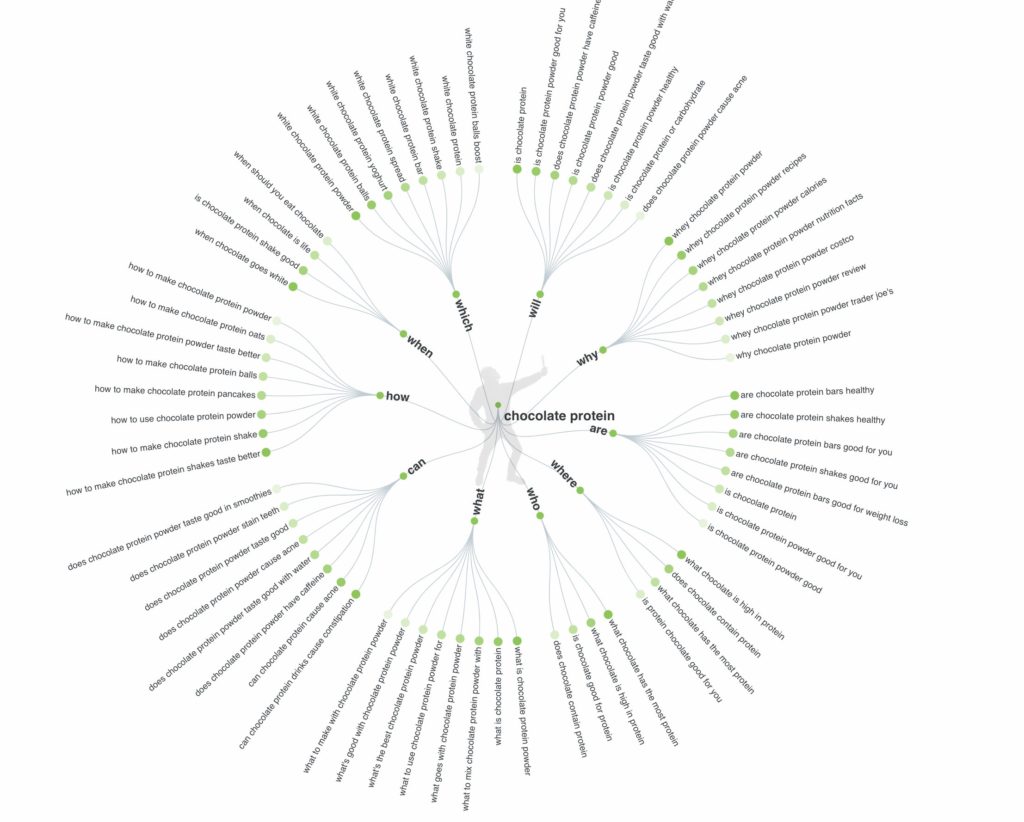
Another fantastic tool by Niel Patel and the team over at UberSuggest, Answer The Public lists all the possible key terms and phrases people could use when running possible search queries.
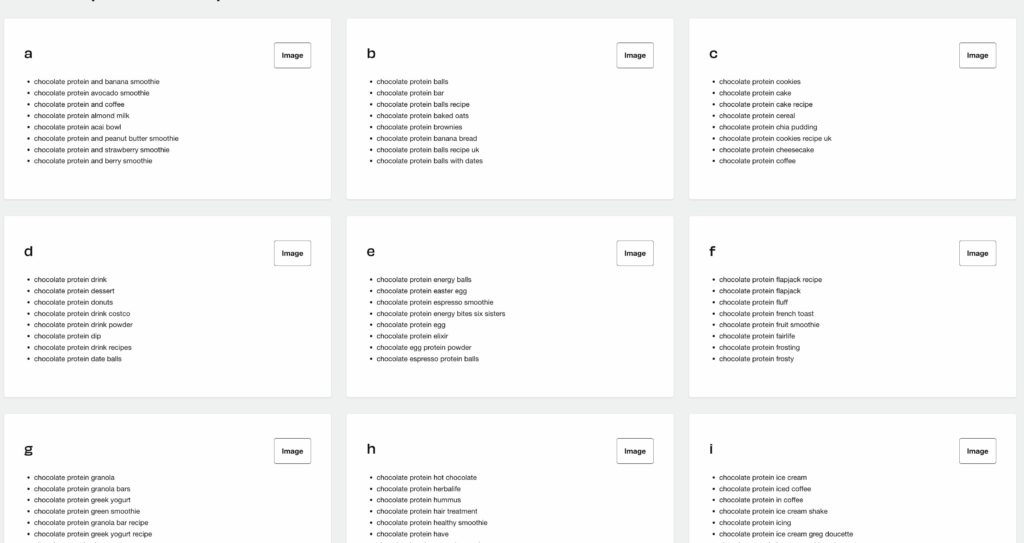
Type in a partial google search or key terms and see what people are searching by country Questions with that phrase, prepositions that are added, and comparisons. An amazing tool to find customer wants and questions
Factory links, resources for finding manufacturers and breakdowns of different product strategies and ideas. A great place to find curated suppliers and product strategy overviews!
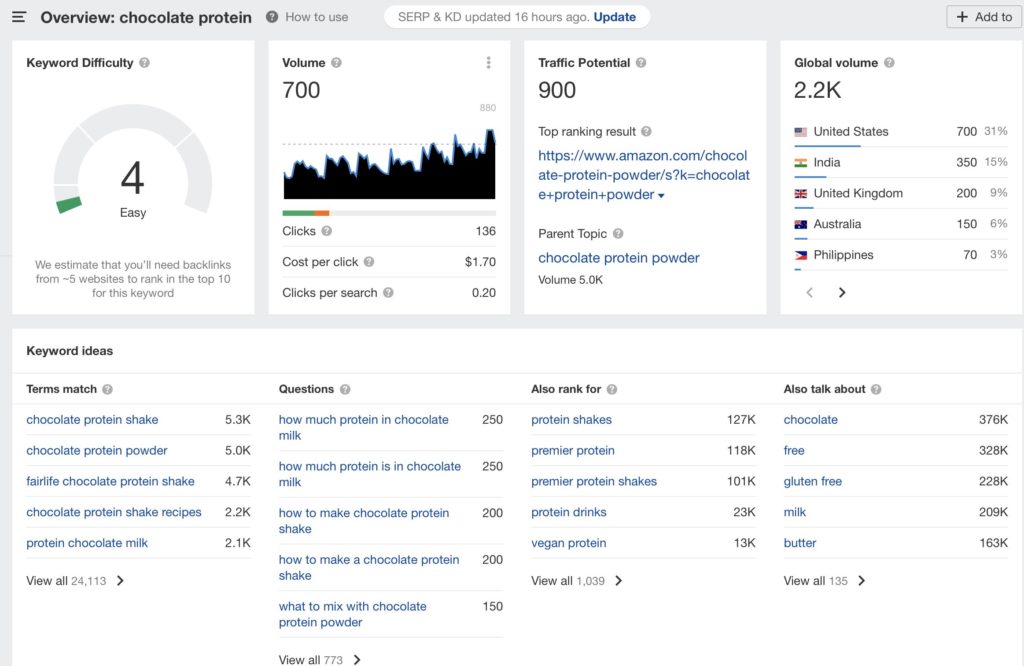
Ahrefs shows you search volume for any term, how hard it would be to compete on SEO, and related terms people are searching for. You can look at any website and see what product pages are performing on search.
SEO & product development should go hand in hand!
Impeccable CPG (consumer packaged goods) curation, with identification of trends far before they hit the mainstream so they can be applied across many industries. My favorite use of this tool is looking at packaging and product design to consider for new styles.
Case study after case study from @alexgarcia_atx and friends on every marketing concept imaginable. Anytime I’m looking for a platform strategy or growth idea, this is where I start.
Sophisticated Amazon product research tool that includes an “Opportunity Finder” so you can discover high-volume, low-competition search terms. It also gives great overall Amazon data by category on existing products. Great for finding existing winners for new channels.
If you plug in enough search terms, the algorithm on Pinterest is amazing. I searched for retail displays to build a new board, and it just continued to serve me more and more interesting ideas. Use this as an inspiration source!
Drop Point aggregates current and legacy ads on social media with the ability to search by product keyword for $5/m. See ads and product ideas for what’s happening in DTC.
Virgil Abloh “open sourced” a good deal of the brand creative process, and simple things like trademarking and store setup. There’s also lots of his inspiration links along the way.
Thanks for reading. Let me know in the comments below which websites have helped you with your e-commerce strategy. Who knows… we could be featuring them in an upcoming post!
See the original 10 Websites to Develop an E-Commerce Strategy Twitter thread here. Thank me later 🙂
– Oren
READ NEXT:
Top Tips To Build Your Website Traffic
I write about tools and ideas to bring winning physical products to life. Whether you have a brand or want to build one in the future, I highly recommend joining the 3051+ on my Product People newsletter!
I always appreciate your follows @orenmeetsworld and be sure to subscribe via the link below!
Agency owners should be spending 10% of their hours on building their own products, or productizing their processes. This is a simple way for agency owners to build long-term value and get:
Hot take:
Agencies should be spending 10% of ours on building their own products, or productizing their processes.
– more skin in the game
– build greator equity value
– opportunity to try what clients might be leery of for case studieshttps://t.co/y6QNrRQkHk— Oren John (@orenmeetsworld) September 20, 2022
There’s a transformation happening with tons of new entrepreneurs starting services companies and agencies but I have a tip… if you have started one of these agencies, have a big successful version of it, or are even thinking about doing it, here’s something that I guarantee every agency should be doing.
You need to devote 10% of your team’s working hours to developing your own products and productizing your processes.
Here’s what I mean…
Take the presentations you give all the time, the overviews you use a lot, any specific SOPs you may decide to use in your business, and actually sell them as downloads. Or use them as free giveaways for the community to help build long-term value into your brand.
You can also potentially generate future revenue that way, or use these free giveaways as lead magnets to build your sales funnels.

As an agency, you’re seeing inside all of these different businesses. As part of the services you offer, you’re giving them advice and helping them put together all the particular tactics and strategies to help them succeed.
It therefore stands to reason that you have the toolkit to build your own value machine.
Even if your experiment fails, you should be trying this to build long-term value. You can easily spin it off to have a team run with it, sell it, or begin pivoting what you’re working on to focus on it.
It’s going to build significantly more equity in multiples compared to what you’re doing and agency business is still at its core.
This growing trend is happening where agencies are beginning to open up their R&D arms to focus on productizing their own assets. Not only is it an amazing opportunity but it also won’t take up a ton of your time.
What does this mean in practical terms?
Think of it as an hour or less of every person working in your business per one of those days. It’s also freeing and liberating for people to work on something that they can have ownership of or be building themselves vs purely working on client projects.
If you own an agency business, I highly recommend you devote 10% of your time to developing your own products and prioritizing your processes.
Thanks for tuning in and reading to the end. Let me know in the comments below how productizing your processes is going!
– Oren
Twitter: http://www.twitter.com/orenmeetsworld
LinkedIn: http://www.linkedin.com/in/orenj/
TikTok: https://www.tiktok.com/@orenmeetsworld
Check out 2 newsletters from my best friends, James & Colin
NanoFlips – Learn the art of buying, growing and selling websites:
https://www.nanoflips.com/Free Smoke – A Cannabis Business newsletter by Colin Landforce:
https://freesmoke.xyz/
READ NEXT:
6 Best Design Tools to Elevate Your Brand’s Style
I write about tools and ideas to bring winning physical products to life. Whether you have a brand or want to build one in the future, I highly recommend joining the 3000+ happy subscribers on my Product People newsletter!
Be sure to subscribe via the link below!
The best tool in their playbook for brands who are trying to launch their brands and get attention on the internet today is to the power of storytelling to showcase their brand and the business processes behind it with their content.
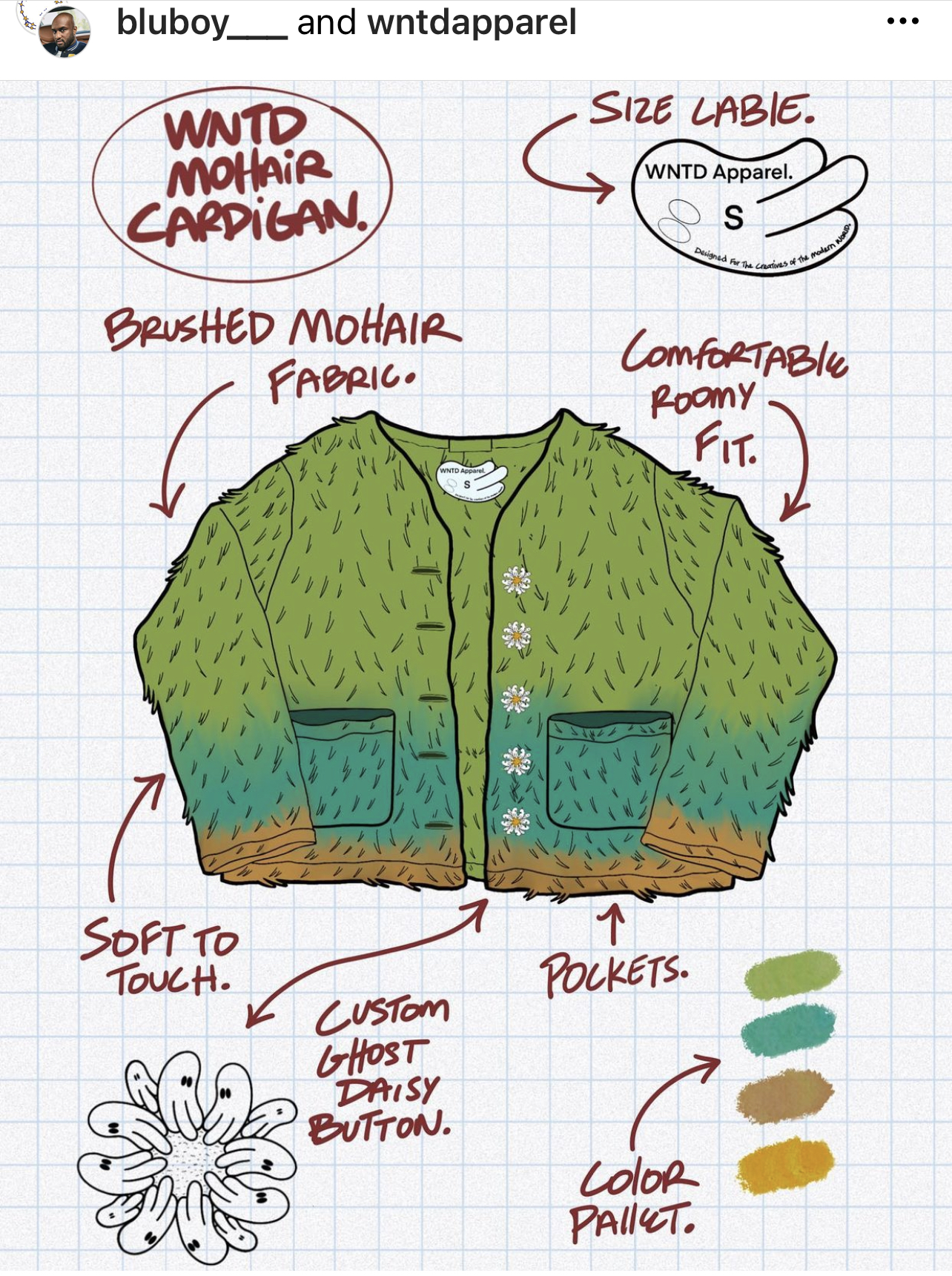
This sketch shows the mohair cardigan by Bluboy and WNTD Apparel below, which is just a super-unique piece. Bluboy’s done a great job of showcasing some of the creative process inside what he puts out.
I love this enamel button they’ve used to replace a traditional button on this cardigan. I think especially with the contrast to other green mohair, it’s just super-cool.
See this post in action on TikTok…
@orenmeetsworld Storytelling and showing behind the scenes is a huge leg up for new brands #ecommercetips #brandingtips #marketingtips #fashionbrandcompany #fashionbrand @orenmeetsworld
♬ OCEAN DRIVE – HIGH ENERGY TROPICAL INSTRUMENTAL – Georgi Velichkov
Back to the concept…
Storytelling today for new brands is paramount. It can get your attention on social media, help people invest in your story, and helps those who are interested to learn. It then also gains a positive affinity for your brand because they are learning from it.
But the biggest reason you should consider doing this, is the biggest and most-established brands are going to try and hire all the value that they can. They’re not going to have the same playbook as the new creators – maybe some will, but most won’t – of saying “Hey, maybe we should share as much as possible, we’re going to provide much value.”
You ever heard that quote… “If you’re not giving away so much value, that it makes you uncomfortable, then you’re not giving away enough”? That’s how I feel all creators and new brands should be looking at how they showcase their creative process.
The power of a single story goes far beyond simply relaying facts and data and can be a highly effective tool to create customer loyalty
~ Tony Robbins
By sharing and giving away as much of your creative processes as possible to build an affinity for your brand, you’re releasing the power of storytelling.
RELATED CONTENT
15 Steps to Start a Business Without Much Money
Thanks for reading. I regularly break down sourcing and developing different products to 5,000+ entrepreneurs on my Product People newsletter. You should join me there.
– Oren
Twitter: http://www.twitter.com/orenmeetsworld
LinkedIn: http://www.linkedin.com/in/orenj/
TikTok: https://www.tiktok.com/@orenmeetsworld
Check out 2 newsletters from my best friends, James & Colin
NanoFlips –Learn the art of buying, growing, and selling websites with James Camp:
https://www.nanoflips.com/
Free Smoke – A Cannabis business newsletter by Colin Landforce:
https://freesmoke.xyz/
Sign up today for more content like this!
The fastest-growing app of 2020, TikTok hit the app stores of every operating system and was an instant success. Currently enjoying an engagement rate that’s at least 15% stronger than any other social media platform, using TikTok for brand growth is definitely an underrated (and underused) marketing strategy.
In a recent independent study conducted by neuro-analytics and -marketing firm Neuro-Insight, brands are seeing higher levels of receptiveness to their messaging, calls-to-action, and ad breakthroughs.
“TikTok’s unique engagement signature gives it an edge to be able to deliver ads and branded content in a way and at a moment when consumers are most open to receiving that messaging – and while all such signatures change over time, it is a golden opportunity for brands to use TikTok to their advantage right now.”
– Pranav Yadav, US & Europe CEO, Neuro-Insight
The advantages of using TikTok for brand growth just seem to be piling up. Thanks to the platform’s unique algorithms, TikTok is just literally built for engagement.
As an entrepreneur and a brand builder myself, the challenge was hard to ignore. I realized the time had come to take my personal brand (that means me) onto TikTok to see how I could leverage the platform for growth.
These are my stats after 45 days of taking TikTok seriously:
– 1 video at 300k+ views = 6,500+ views per day (of just one video!)
– 10 videos at 10k+ views = 1,000 views of each per day (on average)
– Most remaining videos at 2k+ views = 45 views of each per day.
It helps being super-focused on my niche, just like I am on Twitter… What also helps is not looking for 200k followers to build your brand on TikTok.
Staying in my niche means I’m looking for people who want to build product-based brands and are on the lookout for advice, tips, links to manufacturers and suppliers, and a real support base.
Guess what? I am definitely finding them!
RELATED READING:
The Weird World of TikTok Live
Prep your brand for Black Friday | Cyber Monday
There are definitely some noob mistakes you’ll want to avoid. Luckily, I’ve made already them so you don’t have to:
Read about my 45-day TikTok learning journey on Twitter, or continue scrolling…
45 days of taking TikTok seriously:
– 4500 followers
– One video at 300k+
– 10 at 10kish
– Most 2k+I am focused in on a niche, just like I am on twitter, I'm not looking for 200k followers, I want people who want to build products. I am def finding them.
What I'm learning: pic.twitter.com/0t3nLDaX48
— Oren John (@orenmeetsworld) September 27, 2022
The most constructive, personally usable tip I got was about how I project myself on screen. “Be hotter” was the best piece of advice.
“Talk slower” was another. All that high energy bursting out on a user’s screen is great… but TikTok does not have a half-speed option like Spotify does. Make sure you get your message across clearly and coherently.
Let me know in the comments down below or on my Twitter thread for this post how that’s all working for you 😉
The top technical tips I got that were correct and really helped me along the way:
What really worked with the content for my niche?
I’ve noticed that while my big-play videos get lots of followers, it’s the little ones that add up to a connected and engaged audience. This is why it’s important to not focus on number of followers, but rather on number of engaged users (likes, comments, shares).
This engagement is the driving force behind TikTok’s algorithms, and determines what users want to see. That’s how you end up in TikTok’s “golden circle”, the For You page. This is where users spend the majority of their time when on TikTok, and it’s where you need to be to get found.
RECOMMENDED READING:
The Ultimate Guide to TikTok SEO
Find actionable ways to really crush those TikTok algorithms
So, is TikTok a search engine? No yet,,, or at least, not officially. Be that as it may, the functionality is there and I’ve started using TikTok for all kinds of things on a search level:
This app is… amazing? It’s obvious that I respect and trust the platform after my 45-day journey.
Reason’s I’m not much bigger already?
I have been very mid at this. I think someone savvy can come in and hit 10k in the first week or two by:
I’m realizing even though my goal was to stay niche, I’m going to end up getting broad followers just by how the algorithm works, and I’m pivoting my content to take that into consideration. If I decide I want to go bigger versus more niche I’ll lean in heavier to personality.
BONUS MATERIAL!
Catch the Builders.Build podcast with my best friends, Colin and James, to discover more about our individual TikTok perspectives and journeys.
Thanks for reading. These are just my learnings from a 45-day journey to leverage TikTok for brand growth and increase my visibility on the world’s leading platform right now. While I’m no expert at this, I am having fun with it. I encourage you to give it a try!
Twitter: http://www.twitter.com/orenmeetsworld
LinkedIn: http://www.linkedin.com/in/orenj/
TikTok: https://www.tiktok.com/@orenmeetsworld
Check out 2 newsletters from James & Colin
NanoFlips –Learn the art of buying, growing and selling websites with @JamesonCamp:
https://www.nanoflips.com/
Free Smoke – A Cannabis Business newsletter by Colin @Landforce:
https://freesmoke.xyz/
I write about tools and ideas to bring winning physical products to life.
Whether you have a brand or want to build one in the future, I highly recommend joining the 4500+ happy subscribers on my Product People newsletter!
There has never been a better time than NOW to start your own business. Launch a brand going into 2023, whether it’s a physical good/product, SaaS, or an info-product.
Let’s take a look.
Read this thread on Twitter now, or scroll to keep reading here on the blog
.
How to launch a brand going into 2023:
— Oren John (@orenmeetsworld) September 29, 2022
But this doesn’t need to be huge… a pet blog with a few thousand readers and followers sets you up for better success.
The most important part of the curation and building before launch part is piece of mind.
Take your time, and build organically.
If you don’t want to be a creator or build this audience… you can buy it.
Sign up with @JamesonCamp for more on this!
This is an essential concept for new brands:
If you missed my TikTok on this, you can catch it below:
@orenmeetsworld Storytelling and showing behind the scenes is a huge leg up for new brands #ecommercetips #brandingtips #marketingtips #fashionbrandcompany #fashionbrand @orenmeetsworld
♬ OCEAN DRIVE – HIGH ENERGY TROPICAL INSTRUMENTAL – Georgi Velichkov
Document the event and make sure you get content pieces out of the launch, as well.
Here’s examples of this video in different types of industries
Breakfast cereal: CrispyFantasyCereal on TikTok
Backpacks: BreviteBackpack son TikTok
Healthy Soda: DrinkPoppi on TikTok
Cocktail Cards: CocktailCards on TikTok
If this isn’t the content TikTok was built for, I don’t know what is!
Whether you are big or small, gather the stats from your launch – email opens, influencers that participated, video views, people on your Live, sales, website visits, whatever looks impressive, and put that in a presentation with your product info.
This is content for the deck you can use to:
Continue to add to this with all the brand milestones and achievements so you always have collateral handy.
Tell your story again and again in different ways.
This thread was all focused on launch. I heavily break down sourcing and developing different products to 4800+ entrepreneurs on my Product People newsletter.
– Oren
Twitter: http://www.twitter.com/orenmeetsworld
LinkedIn: http://www.linkedin.com/in/orenj/
TikTok: https://www.tiktok.com/@orenmeetsworld
Check out 2 newsletters from my best friends, James & Colin
NanoFlips –Learn the art of buying, growing, and selling websites with James Camp:
https://www.nanoflips.com/
Free Smoke – A Cannabis business newsletter by Colin Landforce:
https://freesmoke.xyz/
READ NEXT:
How to Build a Brand in Activewear and Supplements
Sign up today for more content like this!