
If you’re on TikTok, you’ve been seeing a ton of back-to-school posts. School supplies spending will hit $37 BILLION this year! Get in on the ground floor and start a school supplies brand of your own.
Pro tip:
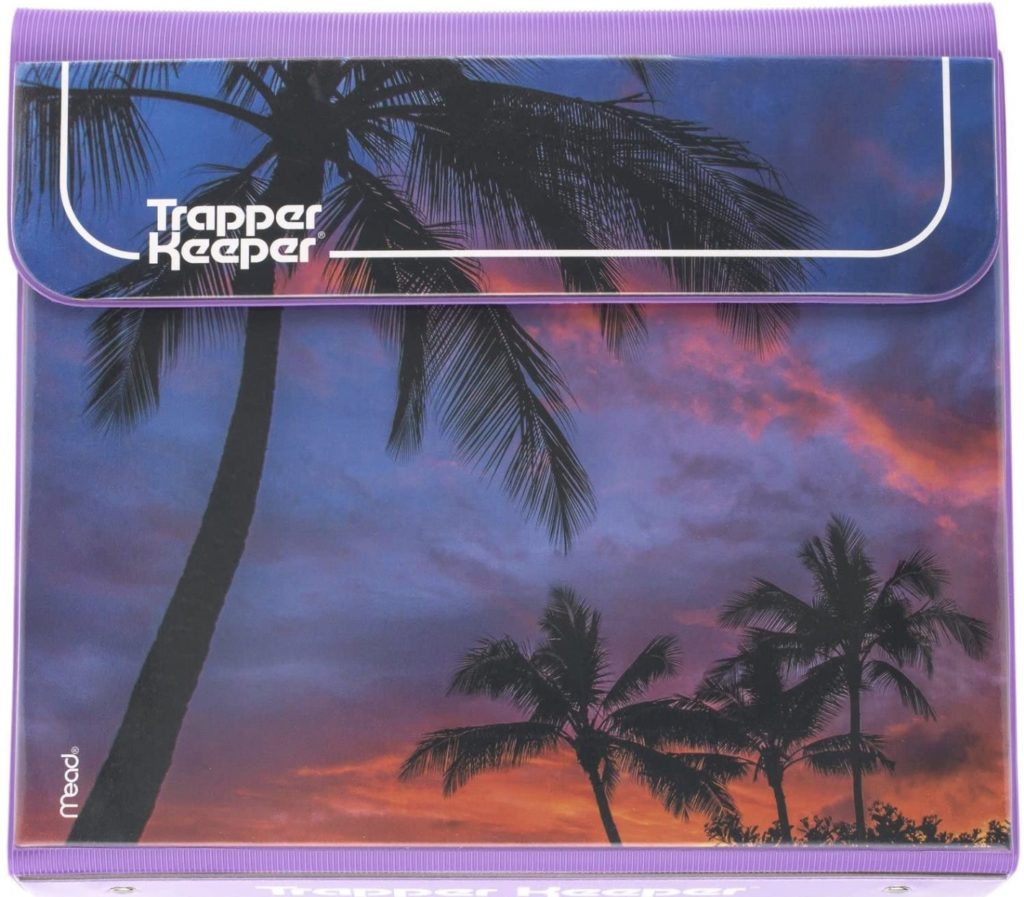
That $37 billion I mentioned? The brands that sell these products are nameless. Most parents and buyers don’t care who they buy it from. That’s a huge opportunity. This years’ school season might be close, but the opportunity is there to build a brand parents care about.
I love niches like this!
If these are just faceless transactions, it’s easy to convince someone to root for you.
Here’s the five-step playbook you need:
These ideas will help you start a school supplies brand:
Use Alibaba, and search for vendors with:
That’s going to ensure you have someone legit.
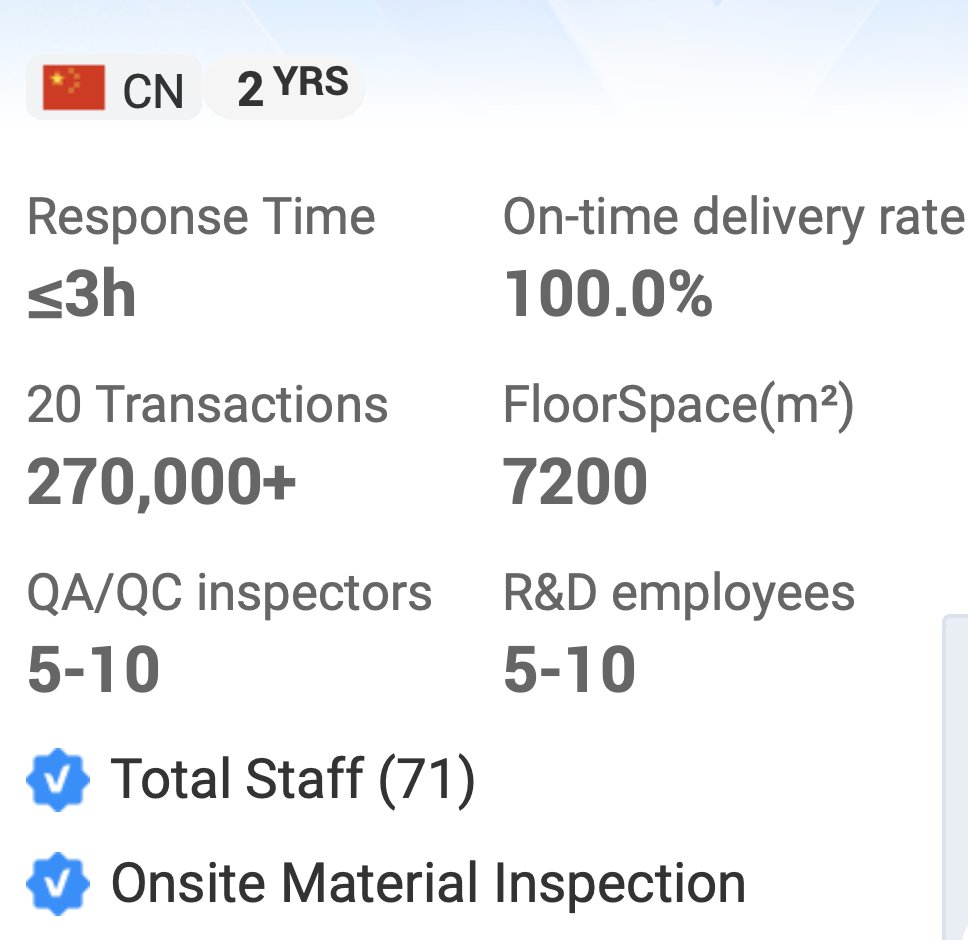
Here’s some factory ideas with pricing and quantity breakdowns.
Vendor: Dongguan Hongjin Printing Factory

Dongguan Hongjin Printing Factory also makes sticker books, drawing and activity books, etc.:
This is an amazing opportunity to lean into visual themes or showcase your own art!
Want to go really ‘out there’ for social media?
Vendor: Xiamen Hailun Trading Co

Vendor: Ningbo Langterm Import And Export Co
Very nice mechanical pencils:
This factory is also a direct source for all mass-produced pencils, protractors, scissors, and hardware supplies.
Vendor: Shanghai Joan Industrial
Big opportunity here, even outside of school.
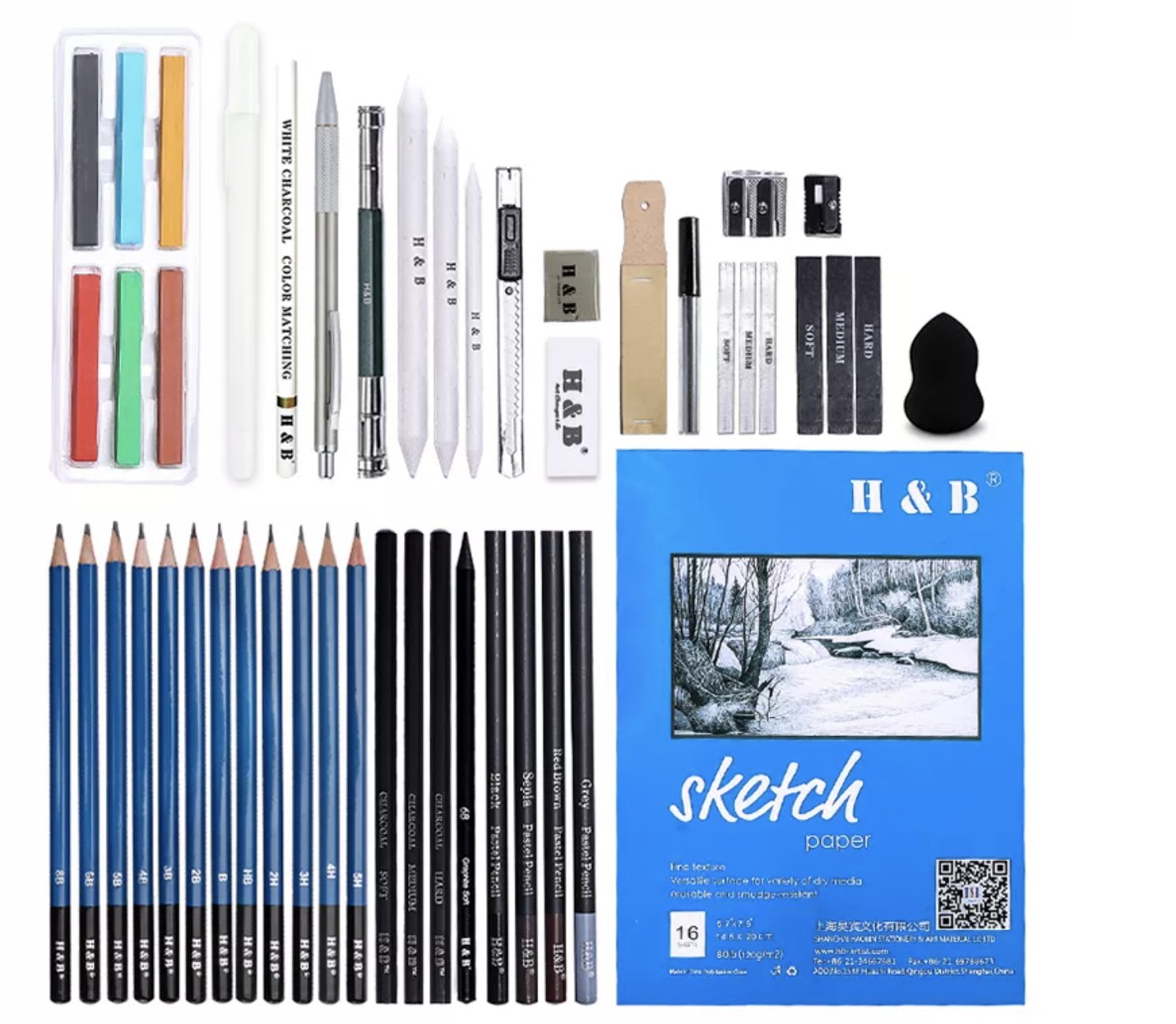
The easiest way to do this is to pick something similar you like, and sketch or painstakingly describe how to make it your own. Some quick ideas:
To get started on content, get a sample of your product sent to you via air from their initial production and use this to make content on your own page or a test page. Start cutting many different video styles. Search “back to school” and emulate the formats of successful vids.
It’s going to take 6-8 weeks for your products to come. In that time, make 3-4 videos a day on your test account just to find what works. Check out quality products on @thingtesting and get ideas form their social.
Too much product for your house? You need a 3PL (third party logistics) or FC (fulfillment center). Here’s my comprehensive list:
Best 3rd Party Logistics for CPG Businesses
To kick off your store, I’d use @Shopify and keep it simple. One page website, lots of the same video content you will make for TikTok, lots of reviews.
If you want to dive deeper on specifics, here’s a few recommended follows:
@LaurenLabeled for TikTok content strategy
@flips4miles to learn to sell on Amazon
@kobegatsby for building ecom
@jamesoncamp for buying or building a niche website
I love this niche because you can start small in terms of cost, their consume-able items that parents always need more of, and there’s tons of room for collaboration.
Remember, you don’t have to go it alone! Working together with others online is a superpower.
The next 18 months are a once-in-a-lifetime opportunity to build a brand on a new social network. Utilize the global economy through Alibaba to get enough margin to really give it a shot. Don’t sleep on it.
Thanks for reading! If you found it interesting, I’d appreciate your shares!
Make your products come to life. Get more factories, insights, and tutorials like these. Follow me on Twitter: @orenmeetsworld
Join thousands of like-minded readers on my weekly Product People newsletter covering building brands and differentiated products.
The bag market is set to outpace designer apparel to be worth $100 billion by 2027! This is the time to own an e-commerce brand! Here’s my product playbook – with factories – to start your own bag brand now.
I’ve worked on many bag products, tens of thousands of total units. There are so many opportunities out there, ranging from product presentation, to retail exit bags, to school bags, to designer bags, to mini bags. The size of this market can’t be underestimated!
Here’s a rough cost outline for bag products of different qualities from China:
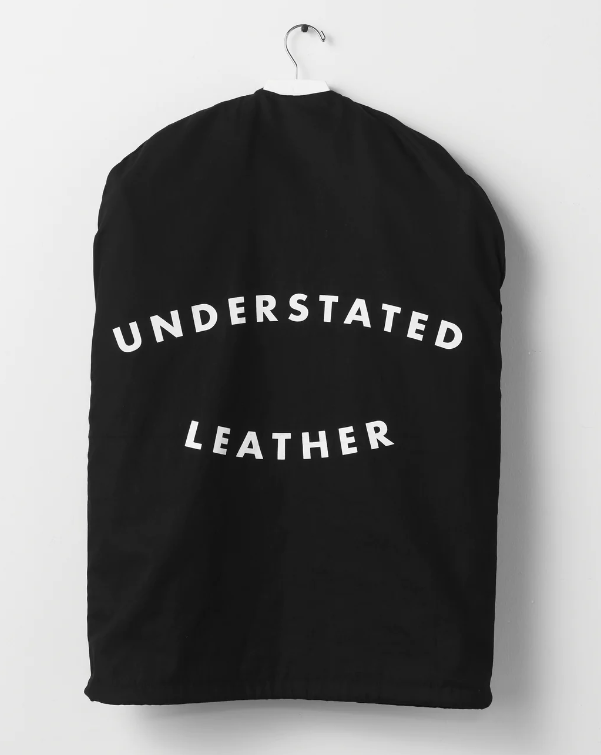
Garment and tote bags to include with products is a great option for existing brands.
I purchase a lot of Rick Owens. What you may not know is that many Rick Owens’ products come with a super high-quality canvas bag that I use absolutely all the time. Providing a quality option for this helps cement your brand.
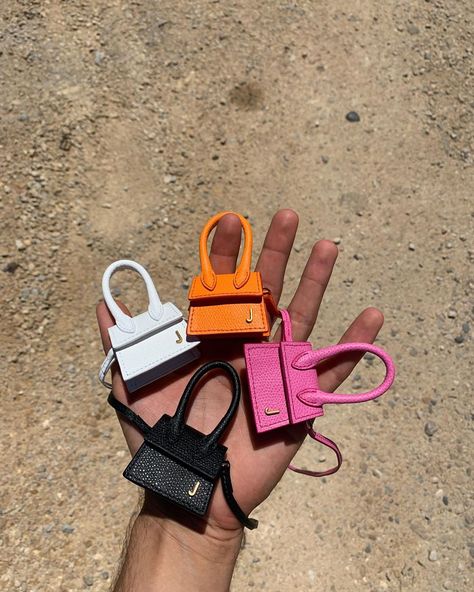
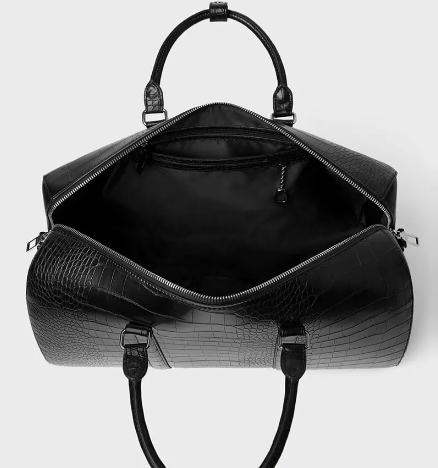
The Tiny Purse movement isn’t dead yet, and there’s lots of vendors with starting options. You need to ignore their styles, and design yourself. Take a loose concept they have so its a realistic starting point, but do you own design.
For most people it makes sense to start with an existing popular design and modify it to be something unique. This is a men’s option from Guangzhou Gaofeiya Leather Co
Translucent bags are also popular and affordable. Good option to easily put out a design in a unique style (over shoulder, fanny pack, tote, etc) with fun designs – especially for TikTok.
These are $10, custom logo at 100 minimum order quantity (MOQ).
These are 500 MOQ with custom graphics and packaging, but only $4.60 each
A vendor option for PU leather and patterned options on the cheaper end? Look at Shijiazhuang Anhong Trade Co
Quanzhou Fanlostar Int’l Co and Chongqing B.m. Import & Export are two legit factories who will import various materials as needed for quality options for any style you want to make.
Tips for sending a great “brief” to your chosen vendors:
Process notes: Include sketches or cad drawings with dimensions in cm/mm. If you want real leather, get a sample of the leather sent prior to an actual bag mockup. Expect to pay hundreds for a real quality single sample. This can usually be applied against your order invoice (just ask).
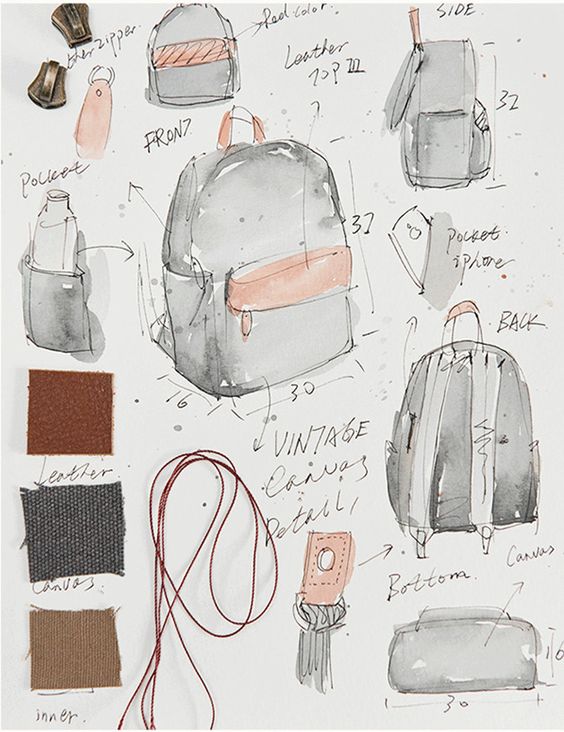
If you want to go expensive and charge a premium, read How to Differentiate a Luxury Brand. This is my starter guide for different techniques for differentiating a premium brand over time.
Laundry list of ideas I’ve had in this space you should use:
Backpacks are for kids, messengers aren’t much better. What’s a new form factor?
Quick checklist for succeeding with sourcing your product:
Thanks for reading! If you found it interesting, I’d appreciate your shares!
Make your products come to life. Get more factories, insights, and tutorials like these. Follow me on Twitter: @orenmeetsworld
Join thousands of like-minded readers on my weekly Product People newsletter covering building brands and differentiated products.
Casio G-Shock has announced a new metal case line-up which looks awfully like another prestigious watch. Can you guess which brand that is?
@orenmeetsworld Is g-shock back in the conversation? #watches #gshock #audemarspiguet #audemars #trends #luxuryfashion @orenmeetsworld
Lets break it down…
So, secondary market metal cases for watches like Casio’s has been a thriving economy on sites like Etsy, and similar sites for years.
Basically, people are using metal casing for these modified watches to get as close to looking like an Audemars as much as they possibly can.
G-Shock did a pretty smart move and came up with this lineup, which looks extremely similar in color and texture to Audemars and takes advantage of this trend.
I’m not a G-Shock customer but this is a pretty good looking watch for the type of actual timepiece that it is; not trying to be too fancy or too prolific.
Obviously, the steel casing gives it greater protection, the kind you’re not going to get on a standard watch if you’re using it in ultimately rugged environments.

But if you check out the look and feel of these more premium – and obviously more expensive – watches, one thing stands out above all others… It’s become more interesting to see how more expensive brands are going to adapt if they want to be able to lean into this trend or think they’re going to have to dock their way out of it.

Some of these color patterns are super-similar. Obviously, G-Shock leaned into having that exact look and feel, not too close that you would consider it a problem but certainly hopping onto the trend.
I do think that the conversation around this release and the on-trend aspect of it is going to put Casio G-Shock back in the timepiece conversation in a relatively significant way.
I’m curious to hear what ya’ll have to say in the comments.
– Oren
Thanks for reading. I regularly break down sourcing and developing different products to 5,000+ entrepreneurs on my Product People newsletter. You should join me there.
RELATED CONTENT
15 Steps to Start a Business Without Much Money
Twitter: http://www.twitter.com/orenmeetsworld
LinkedIn: http://www.linkedin.com/in/orenj/
TikTok: https://www.tiktok.com/@orenmeetsworld
Check out 2 newsletters from my best friends, James & Colin
Free Smoke – A Cannabis business newsletter by Colin Landforce:
https://freesmoke.xyz/
NanoFlips – Learn the art of buying, growing, and selling websites with James Camp:
https://www.nanoflips.com/
Sign up today for more content like this!
Does it seem like everybody’s graphic design is absolutely next-level on their brand identities right now? You’re not alone in thinking that. These 6 best design tools will help you elevate your brand’s style and make your designs really POP!
No time to read?
Check out my TikTok Short video below, or scroll to continue reading.
@orenmeetsworld These are the tools to make your brand’s style up to par in 2022 #brandingtips #brandingdesign #brandidentity #marketingtips #designtok @orenmeetsworld #greenscreen
♬ ASTRO Trap Beat – Hip Hop Instrumental – AfterInfinityMusic
This series of graphics was a collaboration between YouTube and 18 top creators – including Saint Urbain, a creative design and branding agency based in NYC and LA.
The designs were part of the YouTube Shorts snack challenge for VidCon 2022. The 18 designers that took part in the challenge had some really sick designs all throughout it.
Fonts are just getting better and better. Yours can, too.
Check out Type Department. They have a wide selection of fonts that are really sick and instead of having these massive, expensive $900+ licenses to get the good stuff like other foundries do, Type Department is really affordable. Go grab yourself a good license for $30-$60 and get the hot fonts you need.
The world of the PDF brand guideline is completely dead now that brand guidelines are online and collaborative.
BrandPad is a great way for you to get your brand into this new generation of having all your design assets in the cloud and collaborative, which also means the people you’re working with will be able to work together better and faster.
Speaking of working together better and faster, Figma is an online, all-in-one graphic design tool that helps you create flow charts, user journey maps, and more. It’s like having a collaborative Photoshop in the cloud…
It’s a really simply and easy way for people to design. If you’re on a team and collaborating but not using it, I highly recommend you make the switch.
Stock images are one of the biggest things that help you stand out but not when they make it look like everyone shops the same images off iStock.
What I really love about DeathToTheStockPhoto is they have a super-unique library, very distinctive style, and a well-curated collection that’s refreshed monthly. At just $12 a month, it’s super-cheap and best of all? Usage is unlimited! Vote on what the next photoshoot is and be a part of the community-driven process to get the perfect photo your brand or next project needs.
Sign up to Creative Market and get pre-made assets and packs once-off and cheap. Get graphics, icons, textures, web elements, fonts, presentations, logos, branding templates, wireframe kits, and so much more.
The free account gives you access to free assets or sign up for monthly drops worth every bit of the $19-95 subscription fee. This is the tool every serious designer needs!
Leverage the best design tools and see what good designers are using to elevate their designs. If you have an existing brand or are in the middle of creating a brand, you need to think about how you’re going to make sure you’re operating at this level of quality to stand out from the crowd.
Contiue to iterate because brands aren’t permanent anymore; they’re at this permanent state of flux which provides a really interesting state of environment for design teams to work in.
Thanks for tuning in and reading to the end. Let me know in the comments below if there’s a tool you think we should add to this list!
– Oren
Twitter: http://www.twitter.com/orenmeetsworld
LinkedIn: http://www.linkedin.com/in/orenj/
TikTok: https://www.tiktok.com/@orenmeetsworld
Check out 2 newsletters from my best friends James & Colin
Free Smoke – A Cannabis Business newsletter by Colin Landforce:
https://freesmoke.xyz/
NanoFlips – Learn the art of buying, growing and selling websites:
https://www.nanoflips.com/
READ NEXT:
Travel in Style: The Best Luxury Luggage Brand
I write about tools and ideas to bring winning physical products to life. Whether you have a brand or want to build one in the future, I highly recommend joining the 3000+ happy subscribers on my Product People newsletter!
Be sure to subscribe via the link below!
Back in 2020, in the space between when the Covid-19 pandemic first hit us and the time when we could finally stop reeling, an expansive trend report was produced that revealed the future of marketing and the resulting rise of the creator economy in a post-pandemic world.
By the way, if you missed my TikTok on this, you can catch it below, or scroll to keep reading here on the blog.
@orenmeetsworld These graphs showcase the future of marketing and the creator economy #creatoreconomy #marketingtips #trends #influencermarketing #brandbuilding #creators #contentmarketing @orenmeetsworld
♬ ASTRO Trap Beat – Hip Hop Instrumental – AfterInfinityMusic
Amongst the specific trends uncovered was a new awareness, a shift to hyper-individualism, an emerging world where people no longer regard society’s norms as binding and begin to act in a highly individual way. However, this does not disregard mass trends, influences, or forces that guide decision-making.
Monomass is the intersection where hyper-individualism and mass trends meet and can comfortably co-exist. The generation driving this monomass? Gen Z, the next major economic power holders emerging in this new post-pandemic economy.
When we look at the forces guiding the youth (Gen Z) culture and decision-making today, we come to realize that the world has changed. How we approach those changes, the content and marketing language we use to connect with these emerging creators of tomorrow will need to change, too.
These graphs will tell you everything you need to know about the past and the future of the creator and content economy.
Let’s break it down…

For the last few decades, if you made marketing campaigns or content, it followed a strict path. You led a consumer down a very specific route to get them to an end result. Then, you’d start over on that same path once again with a new customer or on a new product.
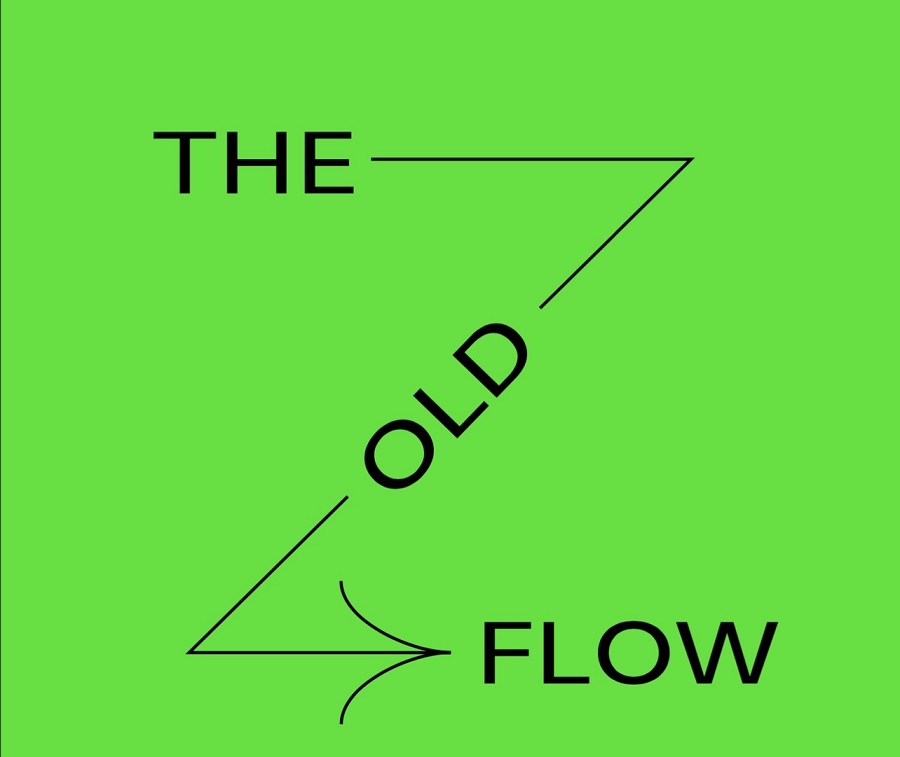
By the 2010’s, most good brands followed this format. They had creators, hired folks like photographers and videographers, to execute professional campaigns at the behest of ad agencies, or actual influencers who were hired to do specific created-for campaigns.
All of these folks created content and it was pushed out through all the different mediums. Tastemakers (influencers who determine what’s stylish enough to become a trend) would then pick up on that content and amplify it to their communities.
Now, content and creation isn’t a straight line when you’re following that kind of a path. Instead, it’s now become a circle.
I’ll explain…
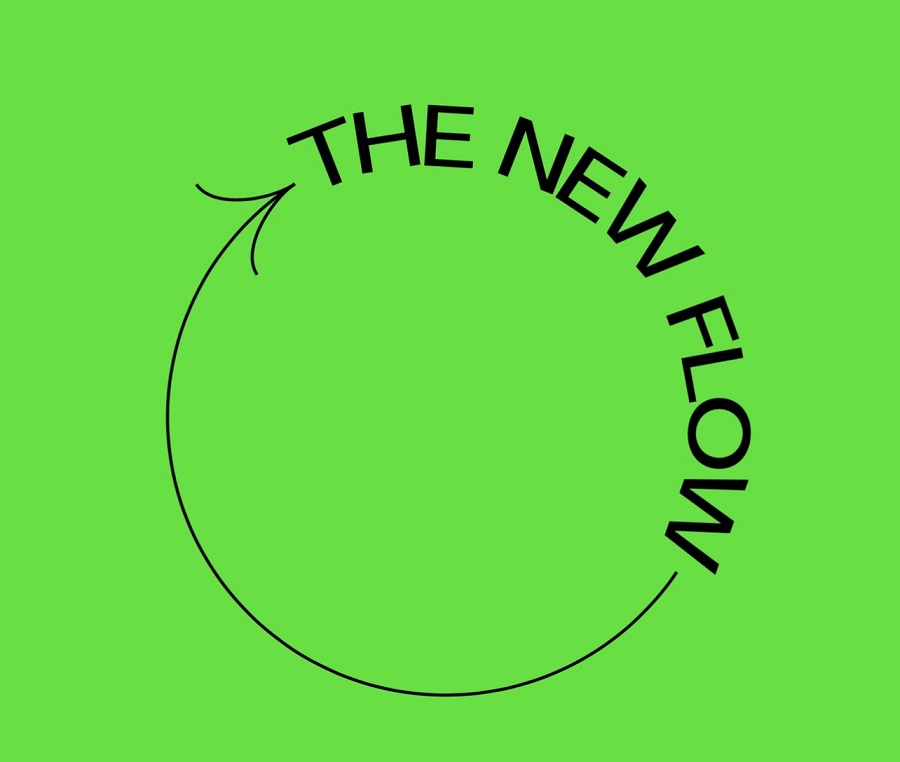
Now the creators that are empowering a brand (or the brand’s story) is you. And it’s me, and it’s them, and it’s us. And it’s all happening right here.
We’re all creating content, and more and more people are doing that every day. This may be specifically for a brand or as part of a story with which that brand interacts. And all of this created content is being pushed out into a larger community.
Now, all the people who engage with the brand and its evolving stories are able to provide feedback in real time and to interact with that brand and that story in a way that isn’t predictable. It can’t follow any existing path.
You can script it as much as you want to, but its going to be something that’s a living, breathing, piece of content ‘thing’. It then all feeds back into each other and those opinions form the basis for new content, new initiatives, new ideas.

There’s only one way to be ahead of the game as the creator economy continues to rise all around us…
You as a brand must understand that you need to be creating content with your user base and your influencers and yourself, as a company. That is allowed to be one story, one that you can’t always control but you need to be in the middle of. You need to be acting on that when you’re thinking about your community, about the conversations you’re building all around your brand as a living, breathing, evolving thing.
CREDITS
These graphs are actually about two years old and from a publication called The Era of Monomass by Dazed Studio. Their information was super-predicted as to what was about to happen, and I’ll really pay attention to anything they put out in the future in terms of reports because they’ve always been super on the ball.
Get your copy of this report here.
Thanks for reading. I regularly break down sourcing and developing different products to 5,000+ entrepreneurs on my Product People newsletter. You should join me there.
– Oren
RELATED CONTENT
15 Steps to Start a Business Without Much Money
FOLLOW ME ON SOCIAL MEDIA:
Twitter: http://www.twitter.com/orenmeetsworld
LinkedIn: http://www.linkedin.com/in/orenj/
TikTok: https://www.tiktok.com/@orenmeetsworld
Check out 2 newsletters from my best friends, James & Colin
Free Smoke – A Cannabis business newsletter by Colin Landforce:
https://freesmoke.xyz/
NanoFlips –Learn the art of buying, growing, and selling websites with James Camp:
https://www.nanoflips.com/
Sign up today for more content like this!
The best tool in their playbook for brands who are trying to launch their brands and get attention on the internet today is to the power of storytelling to showcase their brand and the business processes behind it with their content.
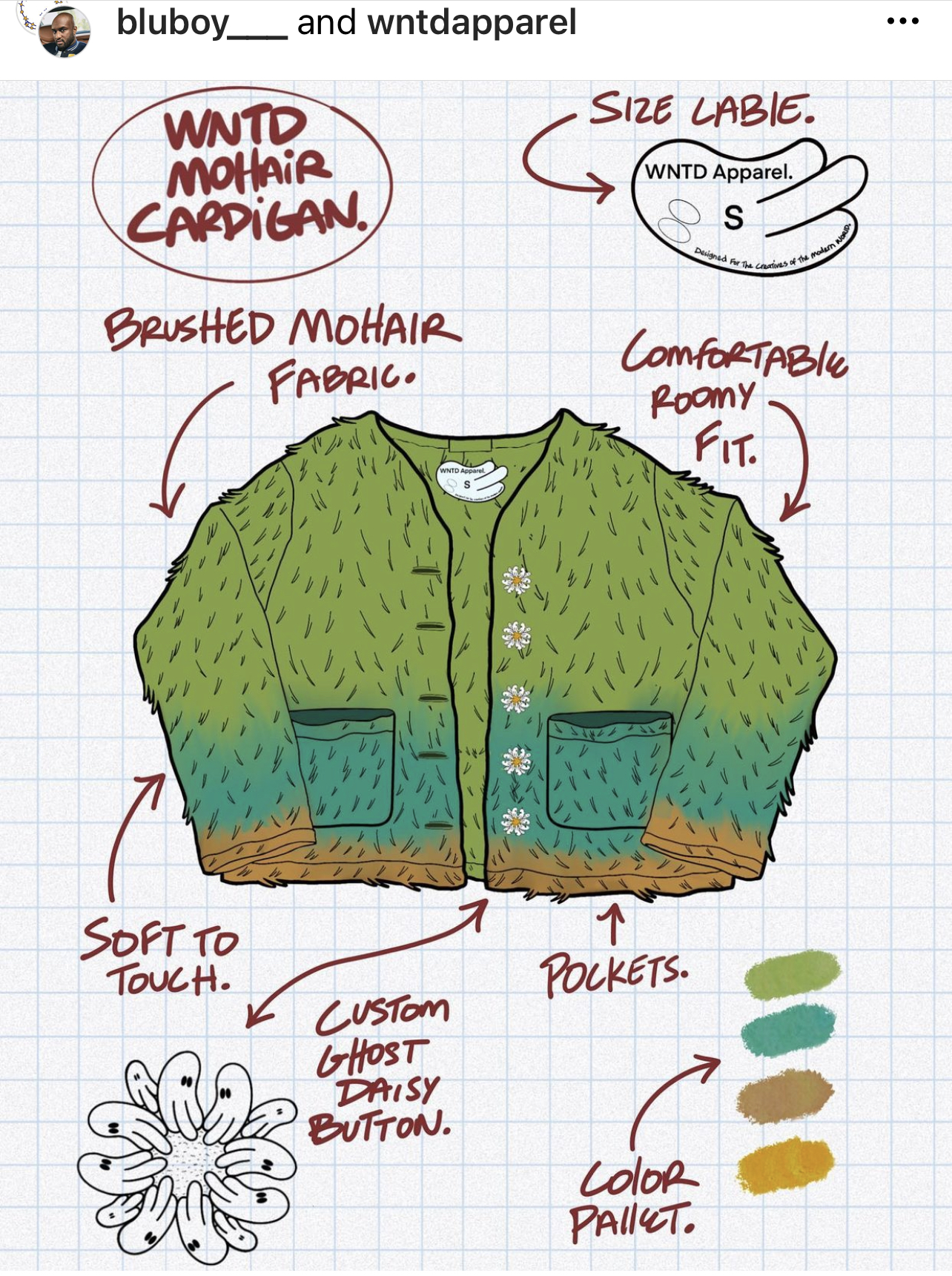
This sketch shows the mohair cardigan by Bluboy and WNTD Apparel below, which is just a super-unique piece. Bluboy’s done a great job of showcasing some of the creative process inside what he puts out.
I love this enamel button they’ve used to replace a traditional button on this cardigan. I think especially with the contrast to other green mohair, it’s just super-cool.
See this post in action on TikTok…
@orenmeetsworld Storytelling and showing behind the scenes is a huge leg up for new brands #ecommercetips #brandingtips #marketingtips #fashionbrandcompany #fashionbrand @orenmeetsworld
♬ OCEAN DRIVE – HIGH ENERGY TROPICAL INSTRUMENTAL – Georgi Velichkov
Back to the concept…
Storytelling today for new brands is paramount. It can get your attention on social media, help people invest in your story, and helps those who are interested to learn. It then also gains a positive affinity for your brand because they are learning from it.
But the biggest reason you should consider doing this, is the biggest and most-established brands are going to try and hire all the value that they can. They’re not going to have the same playbook as the new creators – maybe some will, but most won’t – of saying “Hey, maybe we should share as much as possible, we’re going to provide much value.”
You ever heard that quote… “If you’re not giving away so much value, that it makes you uncomfortable, then you’re not giving away enough”? That’s how I feel all creators and new brands should be looking at how they showcase their creative process.
The power of a single story goes far beyond simply relaying facts and data and can be a highly effective tool to create customer loyalty
~ Tony Robbins
By sharing and giving away as much of your creative processes as possible to build an affinity for your brand, you’re releasing the power of storytelling.
RELATED CONTENT
15 Steps to Start a Business Without Much Money
Thanks for reading. I regularly break down sourcing and developing different products to 5,000+ entrepreneurs on my Product People newsletter. You should join me there.
– Oren
Twitter: http://www.twitter.com/orenmeetsworld
LinkedIn: http://www.linkedin.com/in/orenj/
TikTok: https://www.tiktok.com/@orenmeetsworld
Check out 2 newsletters from my best friends, James & Colin
NanoFlips –Learn the art of buying, growing, and selling websites with James Camp:
https://www.nanoflips.com/
Free Smoke – A Cannabis business newsletter by Colin Landforce:
https://freesmoke.xyz/
Sign up today for more content like this!
If you missed my TikTok video about wholesale replicas, you’ll have missed the whole intro to this topic. I highly recommend you give this a quick watch before reading any further...
@orenmeetsworld Rep products are so good experts cant tell the difference, what do we do with this scenario? #repsneaker #sneakerhead #fashiontiktok #fashionindustry
Now, here’s some background to the problem…
Bootleg items, fashion bags, sneakers, and watches are ripped off at such high quality that most experts can’t tell them apart anymore. The massive price difference between a knock-off and a genuine item obviously has a lot to do with it, so what can luxury brands do to mitigate the piracy and risk to their brand?
In the video you watched above, I brought up Telfar as seen here modelled by Dua Lipa, the artist. This bag has been making waves amongst celebrities for a couple of years now, and I can see why.
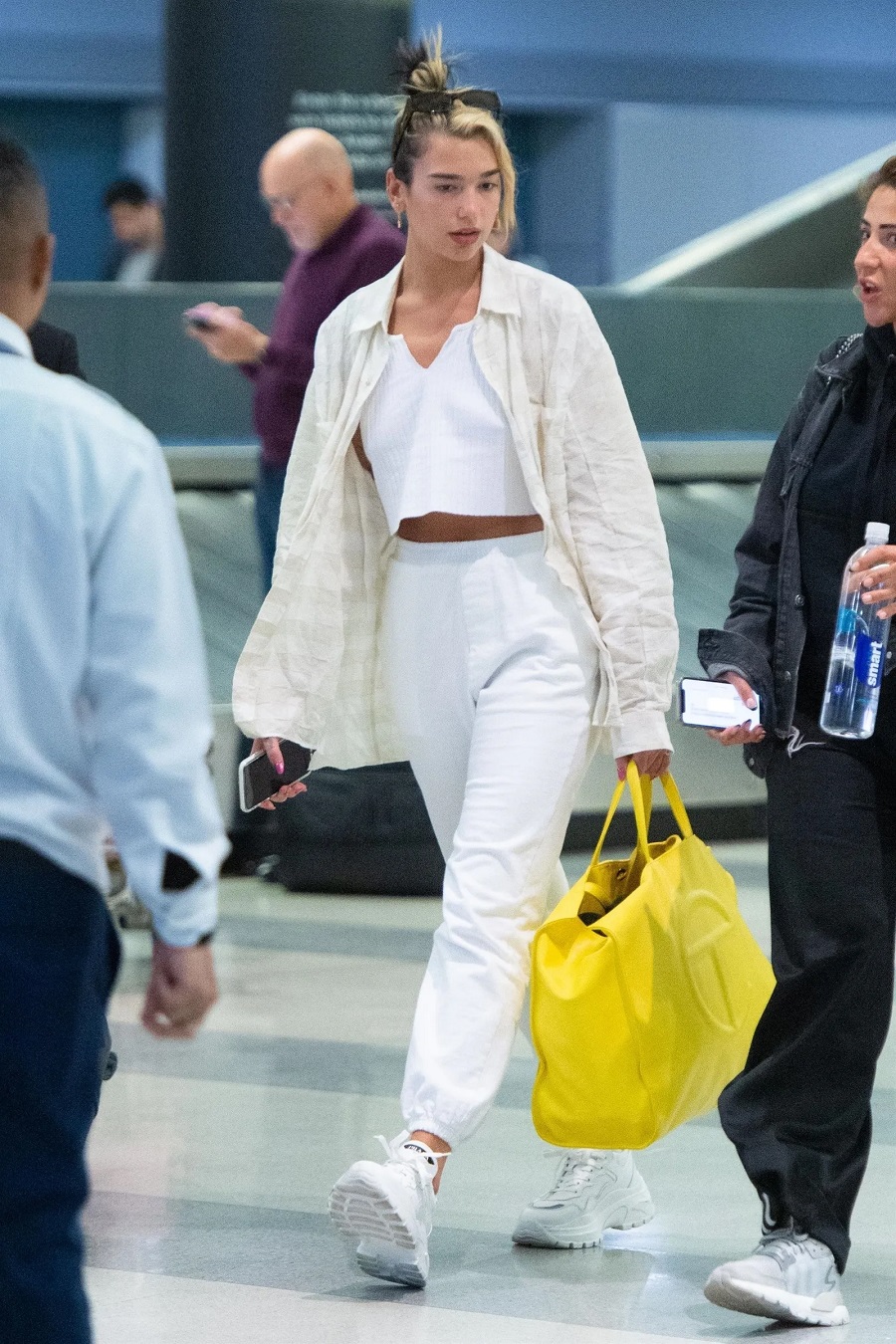
But what you may not know about Telfar or their unique strategy is that they seem to have found a way to combat this replica-piracy action. And they’ve done it in a way that makes their luxury brand affordable to the everyday person (not just the celebrities out there). All while still providing a positive customer experience.
Let me explain…
Very much aware of the brand risk around replicas and knock-offs, Telfar began offering a really unique program where initially, they actually had standard bags that would go and sell out. To be more accessible to the average Joe (or Jane) – while also keeping the brand standards high – Telfar introduced their bag security program.
In what can only be described as a major marketing feat and a brilliant way to increase desirability for the brand itself, Telfar opened up specific days in a month where anyone can order any one or more of a limited range of Telfar bags. They’ll make it on demand based on the order quantities, and ship that order to you.
And this kind of “democratizes” luxury so everyone can have some. Currently, everyone wants only one line from a specific collection (like Louis Vuitton and Nike’s “Air Force 1” by Virgil Abloh) but there’s only X many made so they sell like hot cakes for $18,000 a pop.
Now, instead of that scenario… if a consumer really wants one, they’re going to have to deal with the resellers. Or, as long as they can pay in full and are willing wait a few weeks to get it made, they will get one.
This is Telfar Rainbow.
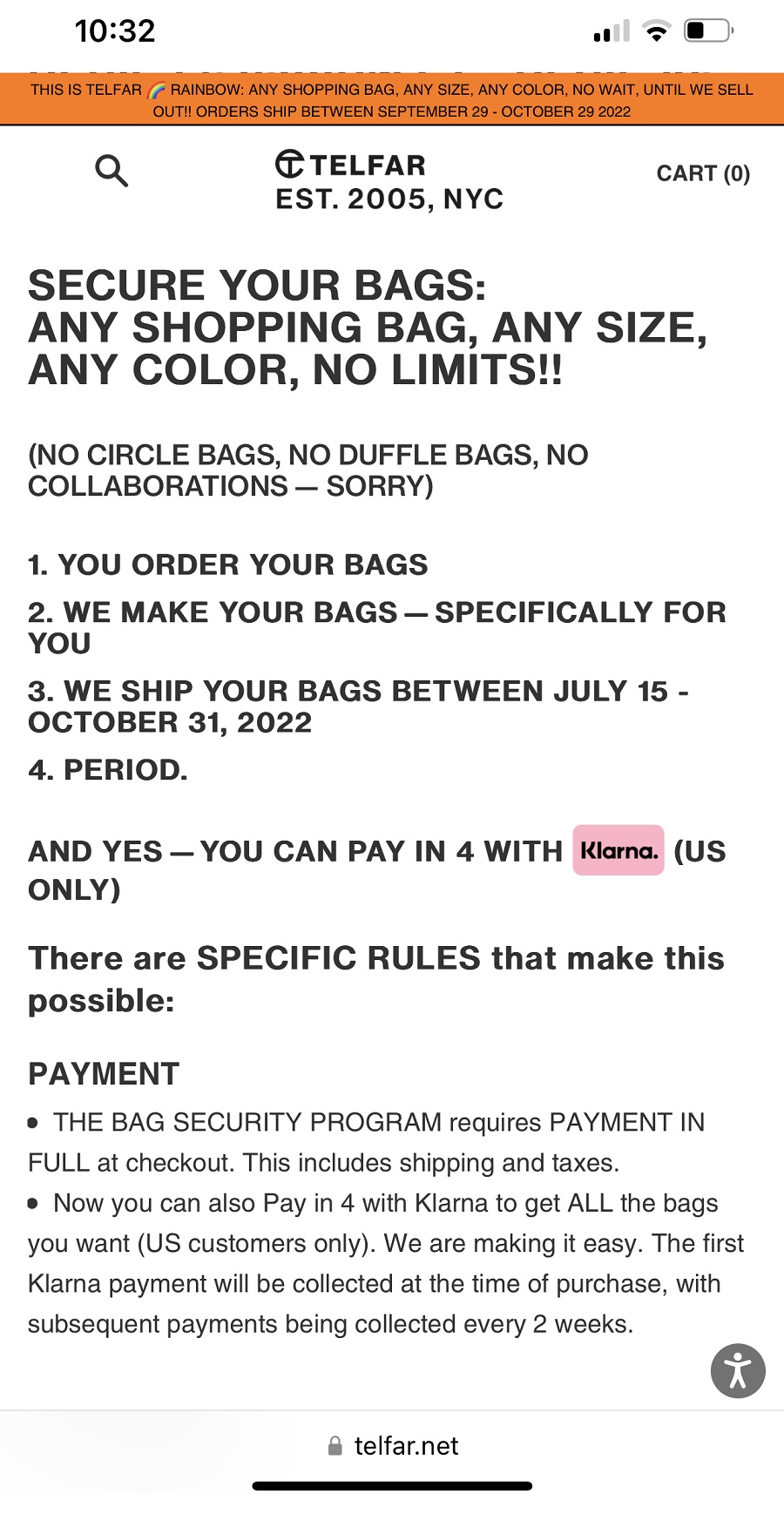
This is how the majority of releases should go. We’ve over-hyped exclusivity with brands through limiting factors like member-only sneaker apps, etc. This is just one example, but there are a lot of new releases from the fashion houses, such as with watches, that have basically cloned this scenario for a lot of retailers and made it almost impossible for the average person out there to acquire a piece of luxury.
Telfar Rainbow changes all that. And the same strategy can change it for your brand, too.
Luxury is not a price-based commodity; It’s a quality-based, accessible product for the discerning customer.
Let’s give consumers what they want. Put parameters on it, sure, but make it so they can tell their friends, “Hey, we went shopping in this two-hour window where we still have to use this app (or whatever it is), but we got what we want.”
If someone wants something and they’re willing to pay the right price for it, why not make it and give it to them? That’s a superior customer experience, and you can do this in a luxury way as Telfar has done.
You need to really be considering this kind of strategy for your brand, especially as replicas become more and more prominent. It’s not going to hurt your brand. In fact, it’s going to grow and strengthen your brand.
Why? Because people would not purchase replica versions at a much lower price if the resale price wasn’t so high and inaccessible to them. Make sure they can buy from your brand reasonably and fairly like everybody else can. 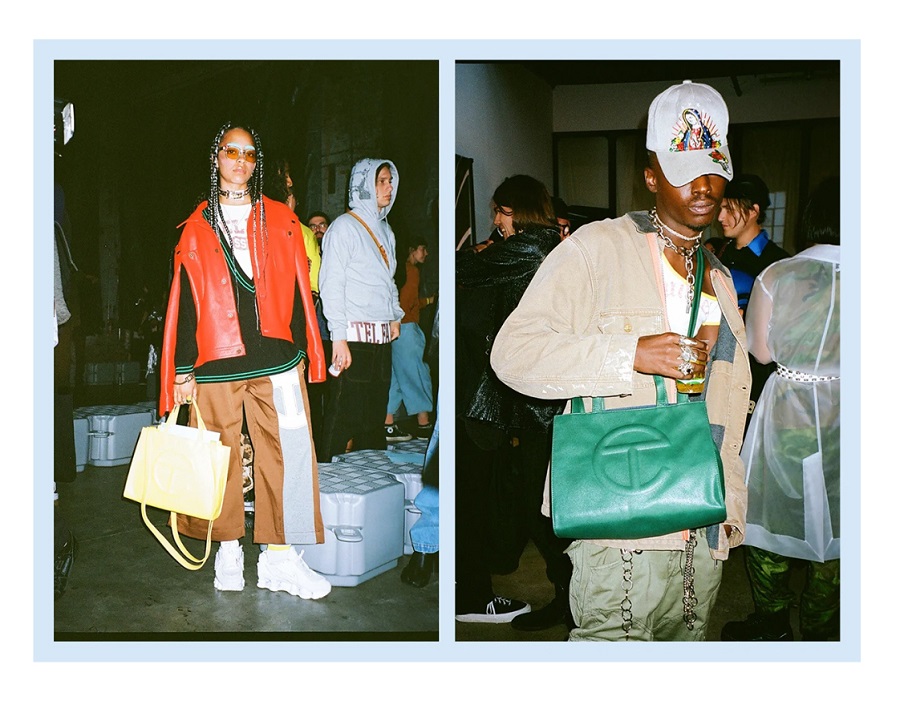
For those who think that Telfar’s brand strategy is not worthy of emulating, consider that the same celebrities that wear Louis Vuitton, Nike, and other well-known brands also use Telfar bags. Some examples are the Queen Bey and Zoe Kravitz, pictured here with their various Telfar versions, showing just how deep the brand has permeated our culture.
I hope you enjoyed reading this. Check out my TikTok short discussing this topic:
@orenmeetsworld Replying to @ladiarchitect4eal i believe the Telfar bag security program offers a way better customer experience for luxury brands and it should be widely adopted #telfar #telfarbag #telfarcollection #luxurybrand #luxurybrands #trends #luxuryfashion #greenscreen
I regularly break down sourcing and developing different products to 5,000+ entrepreneurs on my Product People newsletter. You should join me there.
– Oren
RELATED CONTENT
15 Steps to Start a Business Without Much Money
FOLLOW ME ON SOCIAL MEDIA:
Twitter: http://www.twitter.com/orenmeetsworld
LinkedIn: http://www.linkedin.com/in/orenj/
TikTok: https://www.tiktok.com/@orenmeetsworld
Check out 2 newsletters from my best friends, James & Colin:
NanoFlips –Learn the art of buying, growing, and selling websites with James Camp:
https://www.nanoflips.com/
Free Smoke – A Cannabis business newsletter by Colin Landforce:
https://freesmoke.xyz/
Sign up today for more content like this!
Opening a luxury brand is one of the hardest things that you can do in the brand creation space. My secret luxury brand playbook breaks down all the components that make up a luxury brand, including where the difficulties are and how to have them all work in harmony to get to a success level.
Let’s do this.
@orenmeetsworld The luxury brand playbook Pt. 1 #luxurybrand #luxurybrands #luxuryfashiontiktok #brandingtips #marketingtips @orenmeetsworld #greenscreen
♬ ASTRO Trap Beat – Hip Hop Instrumental – AfterInfinityMusic
The single, most discerning, and most important thing for any luxury brand is going to be quality. No matter what, if the actual quality of the user experience isn’t there, people just aren’t going to pay the premium it takes to be able to execute luxury at a high level.
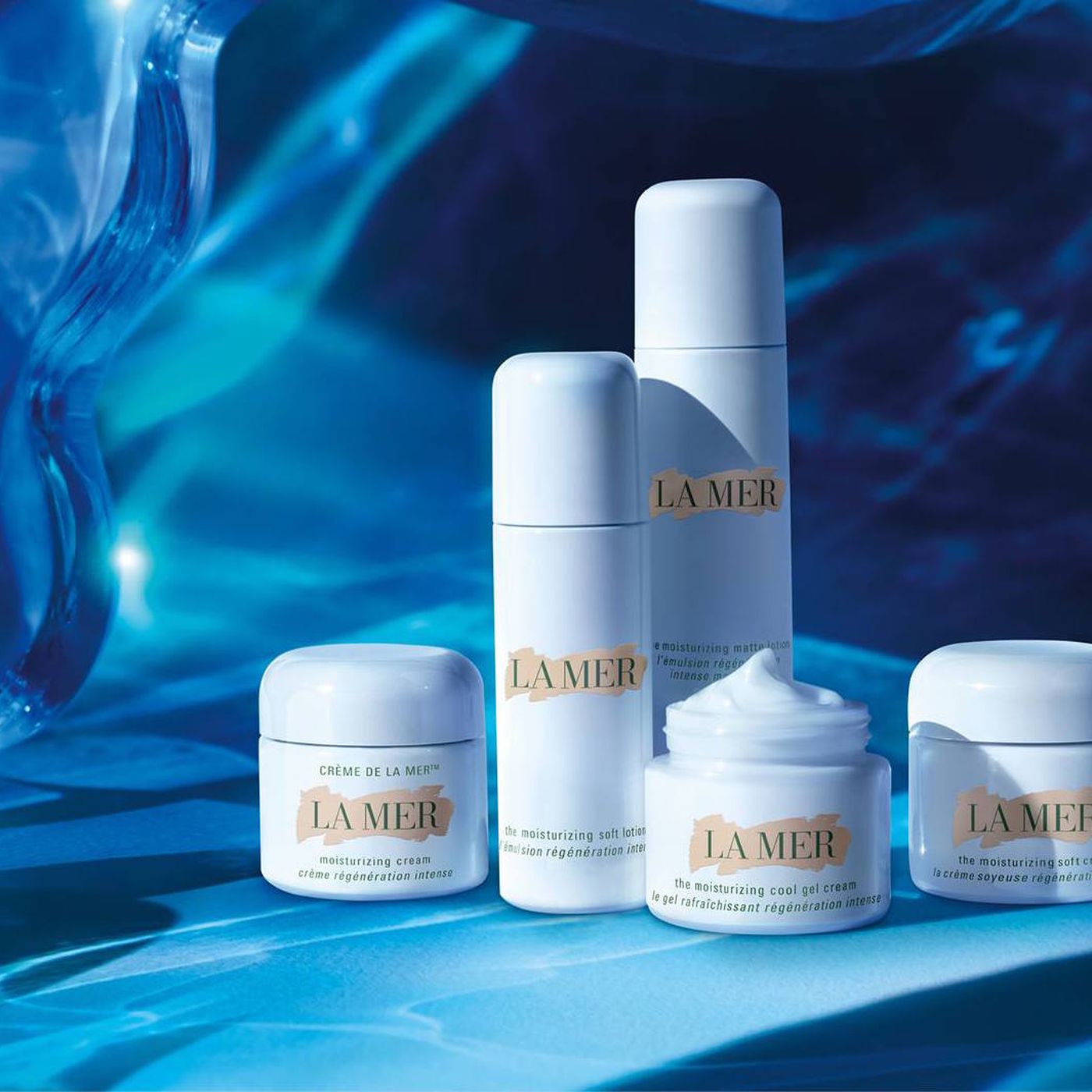
Take La Mer, for example. This is a go-to product for Dwayne “The Rock” Johnson and used daily in his skincare routine.
While it’s possible he’s been paid handsomely to say so, it goes without saying that one of the world’s most iconic faces wouldn’t put anything of doubtful quality on his heavily-insured body!
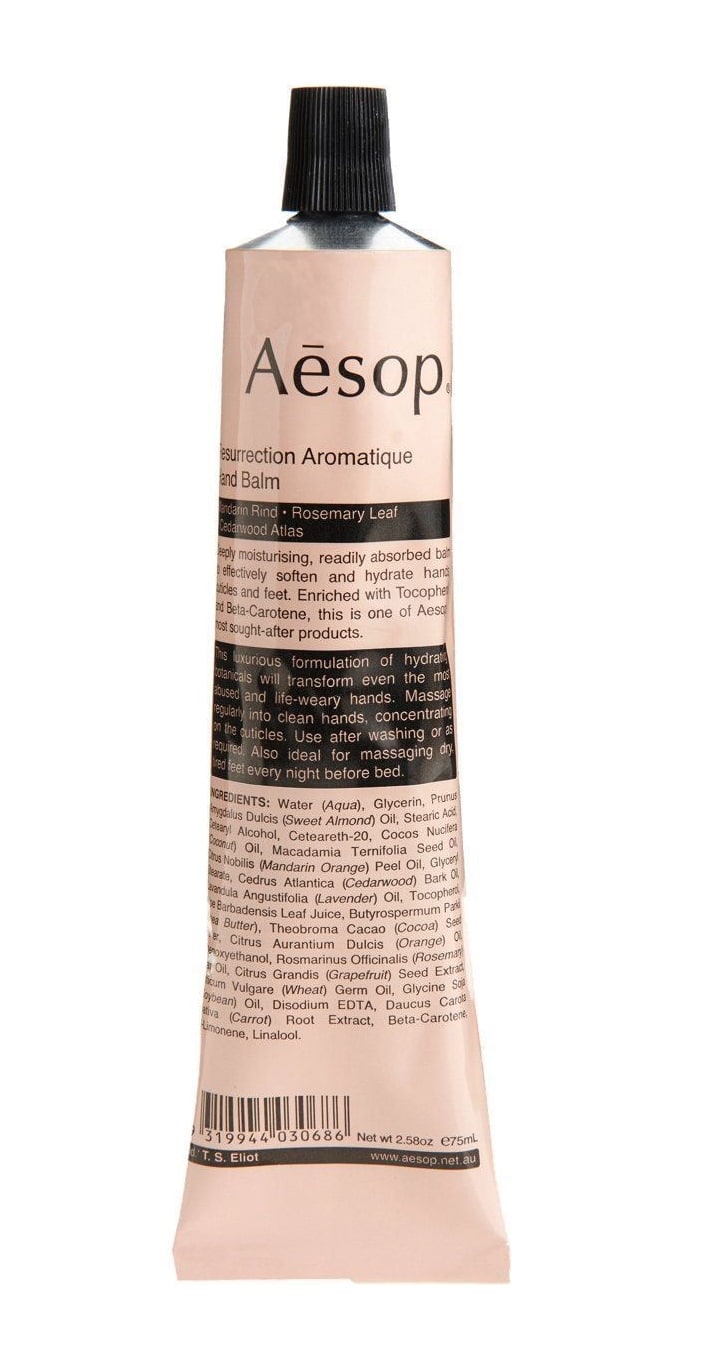
Aesop is a great example. I’m not going to pay $40 for just any soap, but I’ll pay that for Aesop.
The extra margin that brands get from selling it at a higher price point helps them trend-set. That means:
What luxury brand playbook would be complete without fashion icons? Louis Vuitton’s a perfect example of how to use the extra margin to chase or create trends.
They’ve been a top brand in the world for so long, so it’s no wonder they continuously invest in trendsetting, perfecting their craft, and improving or adding to their extensive product line-up across existing operations.
LV is also well-known for collaborating with industry icons like the late Virgil Abloh and new creative directors and involvers in the brand to make it popular and keep it trending.
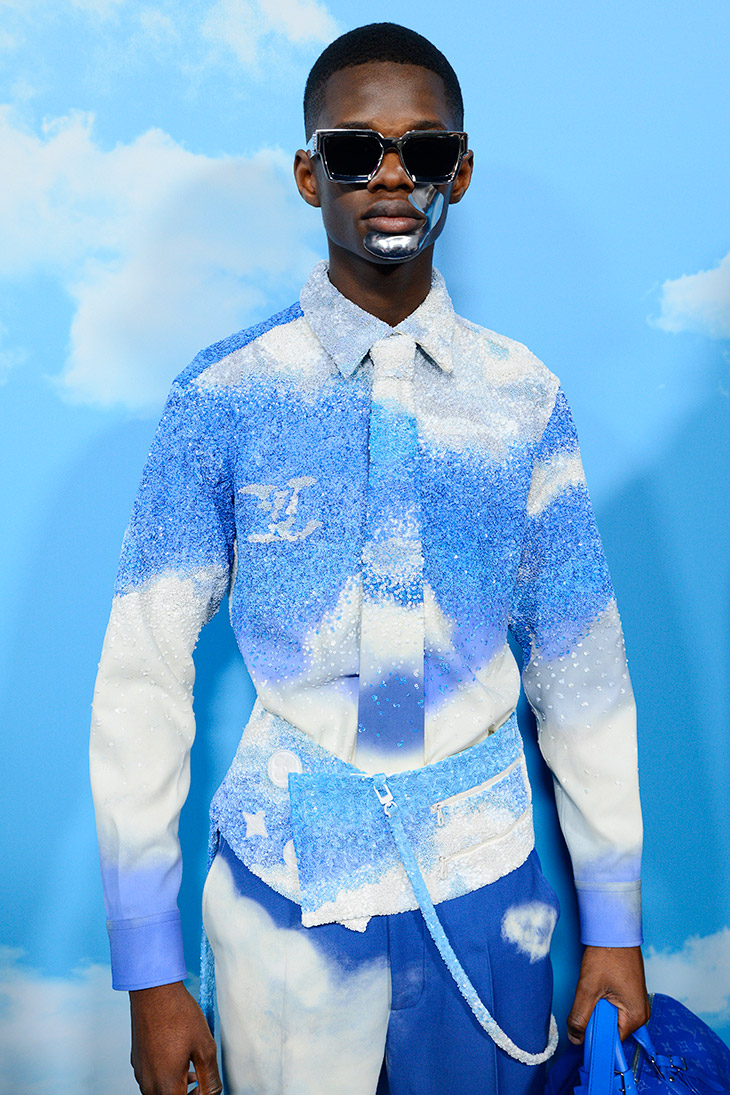
But you can’t just chase trends; You also have to develop things that are timeless, that people will use again and again until it becomes recognizable as a luxury brand.
Cartier is my favorite luxury watch brand. The Cartier worn by Jake Gyllenhall here is an absolutely timeless wristwatch, and a brand that never lost its cool by doing something completely out of whack with trends at the time. Whether 20 years ago or 100 years from now, Cartier hot the sweet spot with this one.
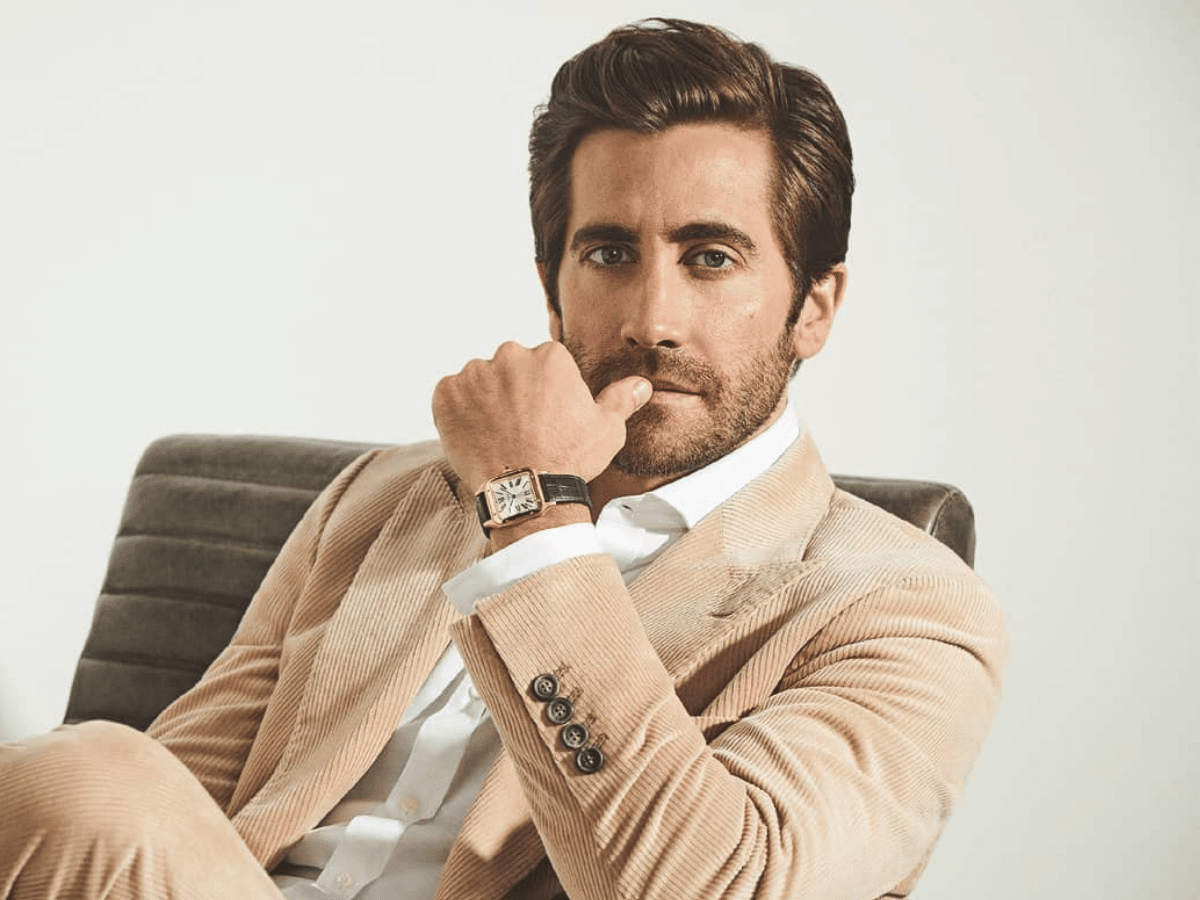
Desirability is another one, if people don’t actually want it and want to have it, its not going to be a luxury brand. Its just going to sit there on the shelf.
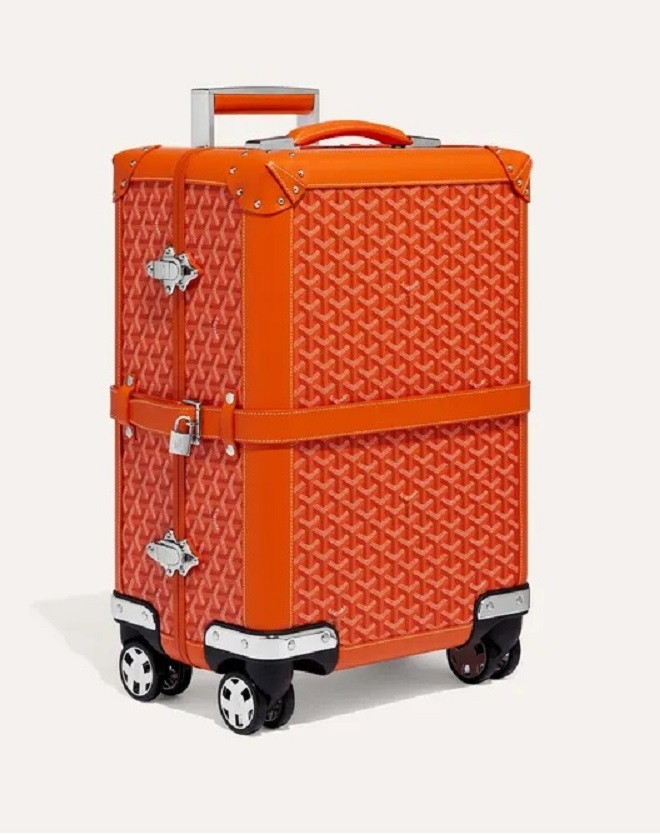
Which leads us to retail value. Luxury brands always have to be able to keep up with the least of relatively close-to-market resale value to show that the desire exists for their products. This lets customers know they’re making an investment, not just buying another product off the shelf.
There’s a lot of high quality interesting brands that you can purchase but you’re not going to be able to resell it on another market. Luxury customers look at almost everything they buy as something they can resell at the same rate or higher later on.
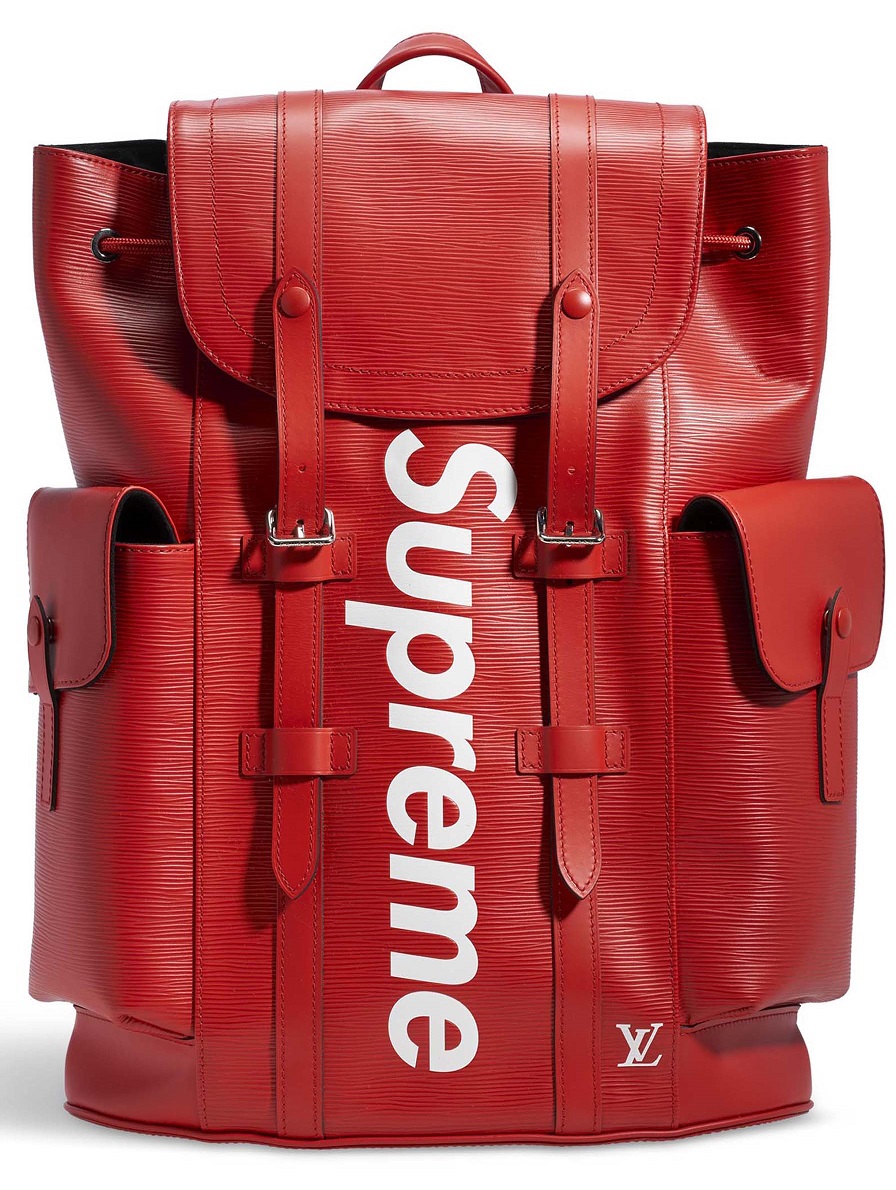
There’s also a degree of lore and storytelling inside each luxury brand, both in the previously published narrative and the narrative that’s been written currently.
A perfect example of this is La Mer’s mythical background story also goes a long way in the marketing division and part of what’s helped position the brand to be such an exclusive luxury powerhouse inside the cosmetics and skin-care space.
One of the hardest things to process for new entrepreneurs in the luxury space is that building a luxury brand takes time. Longevity is huge… You can have a really cool brand for 5 or 10 years, but luxury is built over decades.
If you’re not thinking of your brand from a decades-long stand point, then you’re not building for the true luxury experience.

Brands like Telfar have done a great job at matching some old democratization and exclusivity in the things that they’ve released so they’re more approachable, but overall… Your luxury brand needs to have something that people want to do, see, be known for, yet not just anyone can own that exclusivity.

Thanks for tuning in and reading to the end. If you’d like to see more like this, check out my TikTok channel (link below) and be sure to subscribe for early access to Part 2 of the Luxury Brand Playbook.
– Oren
Twitter: http://www.twitter.com/orenmeetsworld
LinkedIn: http://www.linkedin.com/in/orenj/
TikTok: https://www.tiktok.com/@orenmeetsworld
Check out 2 newsletters from my best friends, James & Colin
NanoFlips – Learn the art of buying, growing and selling websites:
https://www.nanoflips.com/Free Smoke – A Cannabis Business newsletter by Colin Landforce:
https://freesmoke.xyz/
READ NEXT:
How To Build Long-Term Value (for Agency Owners)
I write about tools and ideas to bring winning physical products to life. Whether you have a brand or want to build one in the future, I highly recommend joining the 3000+ happy subscribers on my Product People newsletter!
The fastest-growing app of 2020, TikTok hit the app stores of every operating system and was an instant success. Currently enjoying an engagement rate that’s at least 15% stronger than any other social media platform, using TikTok for brand growth is definitely an underrated (and underused) marketing strategy.
In a recent independent study conducted by neuro-analytics and -marketing firm Neuro-Insight, brands are seeing higher levels of receptiveness to their messaging, calls-to-action, and ad breakthroughs.
“TikTok’s unique engagement signature gives it an edge to be able to deliver ads and branded content in a way and at a moment when consumers are most open to receiving that messaging – and while all such signatures change over time, it is a golden opportunity for brands to use TikTok to their advantage right now.”
– Pranav Yadav, US & Europe CEO, Neuro-Insight
The advantages of using TikTok for brand growth just seem to be piling up. Thanks to the platform’s unique algorithms, TikTok is just literally built for engagement.
As an entrepreneur and a brand builder myself, the challenge was hard to ignore. I realized the time had come to take my personal brand (that means me) onto TikTok to see how I could leverage the platform for growth.
These are my stats after 45 days of taking TikTok seriously:
– 1 video at 300k+ views = 6,500+ views per day (of just one video!)
– 10 videos at 10k+ views = 1,000 views of each per day (on average)
– Most remaining videos at 2k+ views = 45 views of each per day.
It helps being super-focused on my niche, just like I am on Twitter… What also helps is not looking for 200k followers to build your brand on TikTok.
Staying in my niche means I’m looking for people who want to build product-based brands and are on the lookout for advice, tips, links to manufacturers and suppliers, and a real support base.
Guess what? I am definitely finding them!
RELATED READING:
The Weird World of TikTok Live
Prep your brand for Black Friday | Cyber Monday
There are definitely some noob mistakes you’ll want to avoid. Luckily, I’ve made already them so you don’t have to:
Read about my 45-day TikTok learning journey on Twitter, or continue scrolling…
45 days of taking TikTok seriously:
– 4500 followers
– One video at 300k+
– 10 at 10kish
– Most 2k+I am focused in on a niche, just like I am on twitter, I'm not looking for 200k followers, I want people who want to build products. I am def finding them.
What I'm learning: pic.twitter.com/0t3nLDaX48
— Oren John (@orenmeetsworld) September 27, 2022
The most constructive, personally usable tip I got was about how I project myself on screen. “Be hotter” was the best piece of advice.
“Talk slower” was another. All that high energy bursting out on a user’s screen is great… but TikTok does not have a half-speed option like Spotify does. Make sure you get your message across clearly and coherently.
Let me know in the comments down below or on my Twitter thread for this post how that’s all working for you 😉
The top technical tips I got that were correct and really helped me along the way:
What really worked with the content for my niche?
I’ve noticed that while my big-play videos get lots of followers, it’s the little ones that add up to a connected and engaged audience. This is why it’s important to not focus on number of followers, but rather on number of engaged users (likes, comments, shares).
This engagement is the driving force behind TikTok’s algorithms, and determines what users want to see. That’s how you end up in TikTok’s “golden circle”, the For You page. This is where users spend the majority of their time when on TikTok, and it’s where you need to be to get found.
RECOMMENDED READING:
The Ultimate Guide to TikTok SEO
Find actionable ways to really crush those TikTok algorithms
So, is TikTok a search engine? No yet,,, or at least, not officially. Be that as it may, the functionality is there and I’ve started using TikTok for all kinds of things on a search level:
This app is… amazing? It’s obvious that I respect and trust the platform after my 45-day journey.
Reason’s I’m not much bigger already?
I have been very mid at this. I think someone savvy can come in and hit 10k in the first week or two by:
I’m realizing even though my goal was to stay niche, I’m going to end up getting broad followers just by how the algorithm works, and I’m pivoting my content to take that into consideration. If I decide I want to go bigger versus more niche I’ll lean in heavier to personality.
BONUS MATERIAL!
Catch the Builders.Build podcast with my best friends, Colin and James, to discover more about our individual TikTok perspectives and journeys.
Thanks for reading. These are just my learnings from a 45-day journey to leverage TikTok for brand growth and increase my visibility on the world’s leading platform right now. While I’m no expert at this, I am having fun with it. I encourage you to give it a try!
Twitter: http://www.twitter.com/orenmeetsworld
LinkedIn: http://www.linkedin.com/in/orenj/
TikTok: https://www.tiktok.com/@orenmeetsworld
Check out 2 newsletters from James & Colin
NanoFlips –Learn the art of buying, growing and selling websites with @JamesonCamp:
https://www.nanoflips.com/
Free Smoke – A Cannabis Business newsletter by Colin @Landforce:
https://freesmoke.xyz/
I write about tools and ideas to bring winning physical products to life.
Whether you have a brand or want to build one in the future, I highly recommend joining the 4500+ happy subscribers on my Product People newsletter!
So many DTC (direct-to-consumer) brands are trying to get into retail right now, like Walmart and Target, for example. I’m going to break down why you should start a brand, or act as a brand, not a DTC brand and just how important all these retail channels are.
Let’s do this.
@orenmeetsworld Lets talk about DTC brands going into retail #dtc #retailmarketing #trends #directtoconsumer #ecommercetips #ecommercebusiness @orenmeetsworld #greenscreen
Judging by this Census data, only 14.5% of sales happen online!

Granted, this is way bigger than it was a decade ago but it’s still fractional compared to how much physically happens in the world.
So, if you start your business and you don’t have a plan to attack physical retail, you’re leaving this huge market on the table.
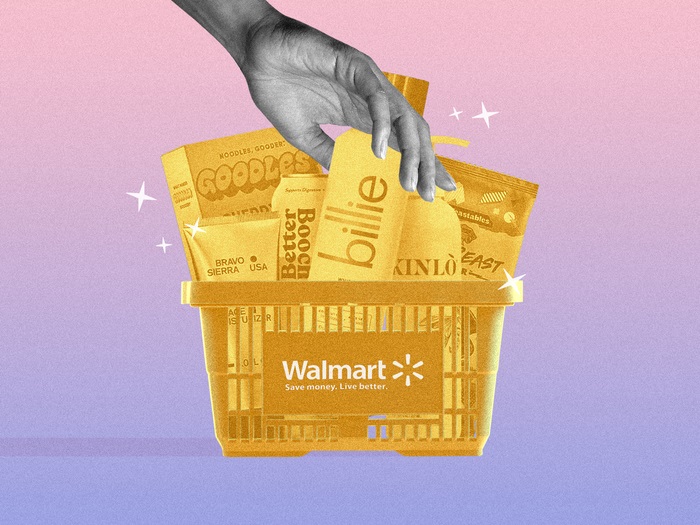
A lot of brands also don’t want to sell on Amazon, but guess what? If you see a product on Tiktok, and then you want to go buy it, I would imagine 50% of the people are going to search to buy it on Amazon.
If you’re not there, you’re missing out on a lot of sales because people often take that second step – the purchase decision – when they find what they’re looking for.
In addition, you can’t always control the results about what’s on Amazon if you’re not on there.
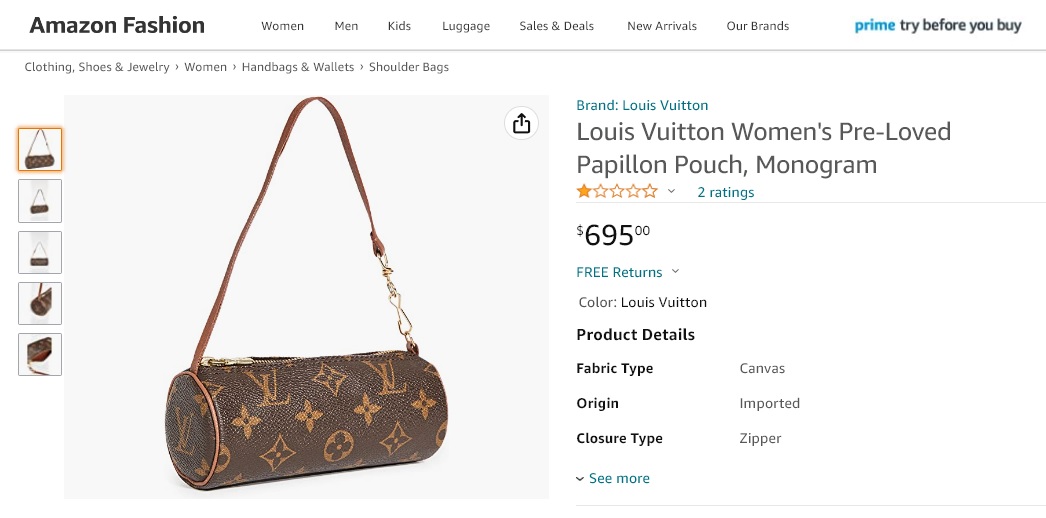
This is a fake Louis Vuitton bag with two reviews saying it’s fake showing up at Prime shipping on top of the page in the first results for Louis Vuitton.
If they had a better strategy to engage this channel, then they’d be able to prevent this. These are things you should think about for your brand as well.

With Rimowa and their high-end luggage which people might want to buy on the spur of the moment for a trip, there’s nothing available on Prime.
Some cases don’t even have a price, and their resellers are getting all the margin that comes from approaching it on Amazon.
I’d like to start a brand that I want a strategy for:
Well, going into retail, you have to consider how your product is going to be presented physically. This retail display is known as an end cap.
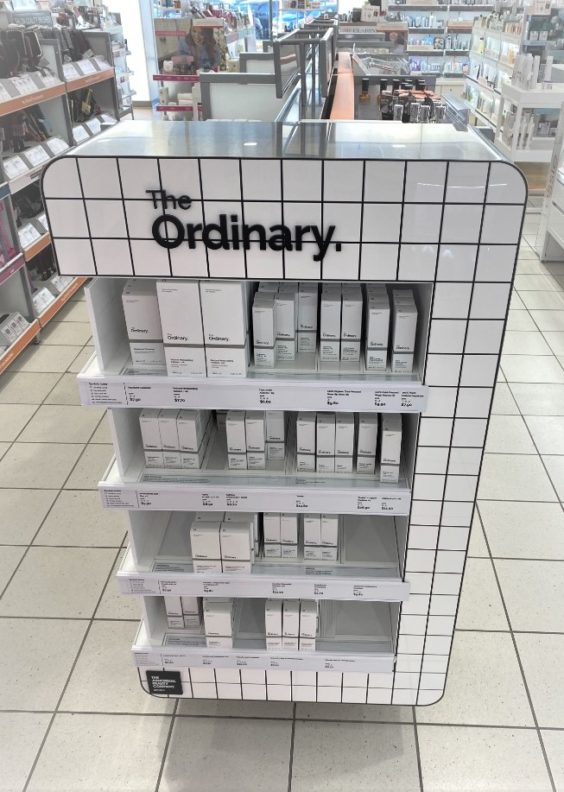
Not only do you have to produce these end caps or produce whatever your product is going to be on if it’s going to be displayed on the shelf.
A lot of vendors will charge you money or a percent of revenue to get that level of featured space.
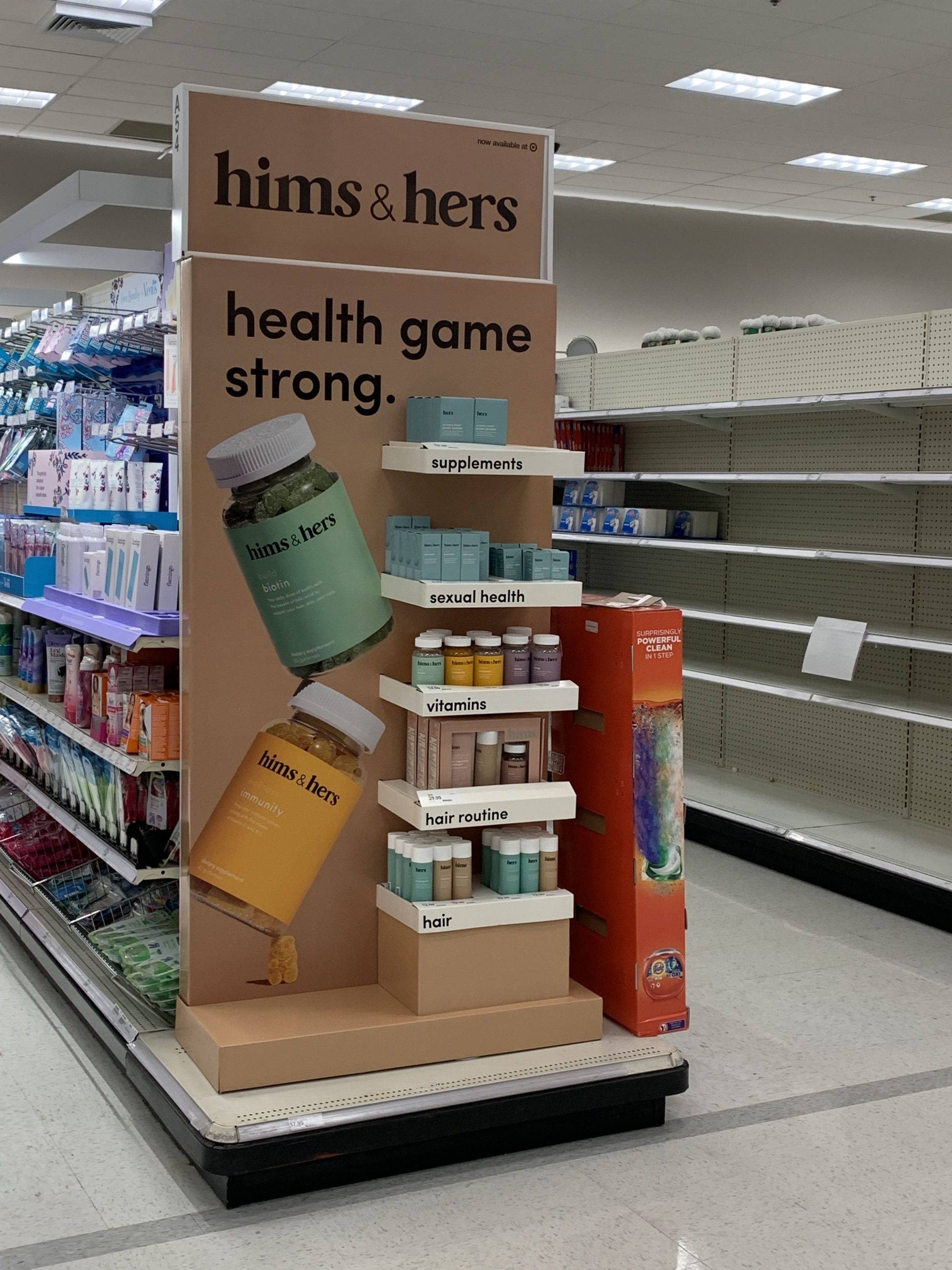
Hims definitely paid a significant amount of money to get this those pharmacies, to be able to push this in front of new consumers… and they paid the money to fabricate all these things.
You don’t have to stoop to that level though, but you do need to think about what your merchandising looks like. Is it just your products on the shelf, or do you need a display unit like cosmetics use?
(I like to reference the cosmetics industry because their point-of-sale marketing is extremely refined.)
In addition to what it physically looks like in retail on a point of sale, you need the logistics of shipping, margin, and returns. you also need to think about MDF (or marketing development funds), which is what a lot of these existing retailers ask for to be able to push your product out there.
Either way – because of the size and breadth of the market, and the level of competition – if you’re starting a brand today, you need to think of it as a brand across retail, online and Amazon, not just DTC.
Strategize accordingly!
– Oren
Twitter: http://www.twitter.com/orenmeetsworld
LinkedIn: http://www.linkedin.com/in/orenj/
TikTok: https://www.tiktok.com/@orenmeetsworld
Check out 2 newsletters from my best friends, James & Colin
Free Smoke – A Cannabis Business newsletter by Colin Landforce:
https://freesmoke.xyz/
NanoFlips – Learn the art of buying, growing and selling websites:
https://www.nanoflips.com/
READ NEXT:
9 Secret Luxury Brand Playbook Tips (Part 1)
I write about tools and ideas to bring winning physical products to life.
Whether you have a brand or want to build one in the future, I highly recommend joining the 3000+ happy subscribers on my Product People newsletter!