
I bought and customized a point-of-sale display unit that can also be used as a desk makeup brush organizer. I got it online from China. Let’s take a quick walk-through of how you can do that, too.
This deep dive looks at the product design specs and overall functionality of the sample I bought. It also features a short how-to customize a point-of-sale display unit with a brief walk-through so you can convert your own. It took me less than an hour to convert it for an upcoming client project.
Functionality: I used an off-the-rack cosmetic display sample normally used at checkout points to display eyebrow pencils, lipsticks, mascara, etc.
Product specs: Faux marble casing design, a little metallic finish around the edges, and pre-cut holes for products of various sizes. The little grommet indents in the base of each hole were a nice touch. You don’t want your stuff rolling around loose in there. My display unit was off-the-rack, but you can get most suppliers to customize a product.
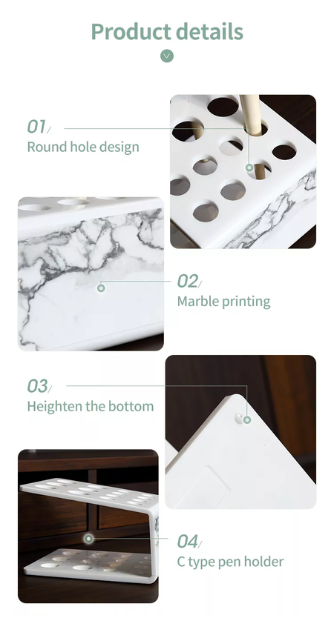
Customization: There are a few things you should be aware of when customizing a point-of-sale display unit:
Cost of product: It didn’t cost that much in total. The cost price of this point-of-sale display unit is in the range of $1-2 per item. By the time I had finished customizing my sample, it turned out to have cost less than $5, shipping included. That price drops when you’re doing a couple hundred at a time.
Time to deliver: Standard shipping wait times, around a week.
Supplier detail: Guangzhou Creative House Houseware Co., Ltd., China.
Incidentally, these are the guys that own the Hello Kitty trademark, so they’ve been in business a long time.
Hope this walk-through and deep dive were super-helpful. Check out the video from this post down below, and be sure to SUBSCRIBE for more like this.
READ NEXT:
Top Tips To Build Your Website Traffic
If you’re interested in modern brand building, I’m breaking down new strategies consistently. For more brand building, inspiration, and supply chain content, shoot me a follow @orenmeetsworld
– Oren
Apple’s 2000s comeback is a masterclass in product design, filled with lessons from Jony Ive, the legendary designer with a vital role in various Apple designs. These designs included the iMac, Power Mac G4 Cube, iPod, iPhone, iPad, MacBook, and even aspects of the Apple iOS for mobile.
Ives was also instrumental in Apple’s major architectural projects, such as Apple Park, new corporate headquarters of Apple Inc., located in California, USA, as well as general layout designs for Apple Stores.
Here, we take a look at Ive’s designs and methodologies, and how to use them effectively for maximum impact.
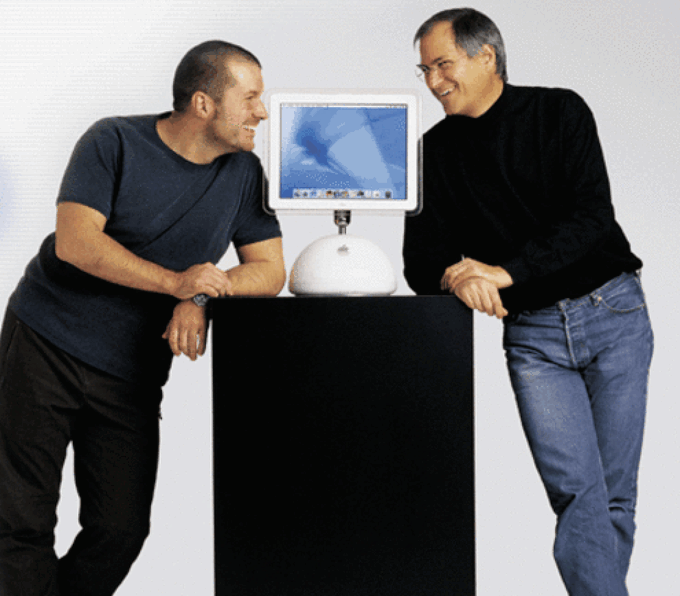
Ive’s focus was always on minimalism + simplicity. He married that with the idea that “design takes depth”… form and materials require complete attention throughout the design process. This shaped Apple’s design language and was an integral part of their 1997 comeback.
Ive also had an emphasis on:
“Until you’ve actually pushed metal around and done it yourself, you don’t understand”
“Abstract ideas are great. Concrete objects are better.”
The results?
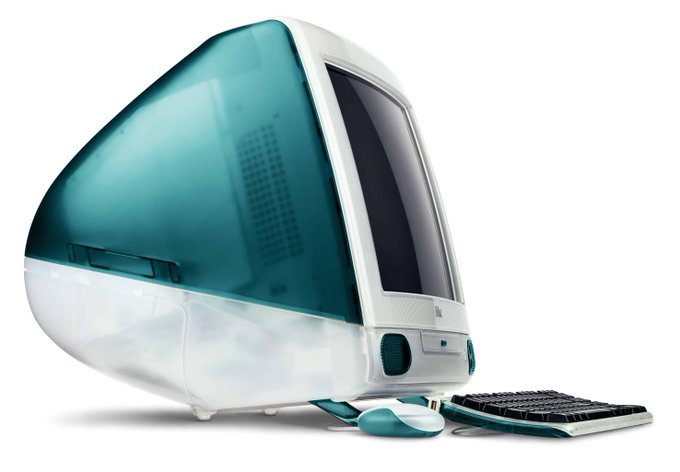
When the G3 debuted the buzz was deafening! Finally, a computer that wasn’t just a boring grey box.
Not only was this computer colorful, fun… cool. It had an operating system that was user friendly. The computer became a universal status symbol.
The sleek plastic design allowed users to see behind the curtain. No floppy disc drive, the addition of USB ports… Suddenly it was hip to own a PC.
Steve Jobs famously said:
“It looks like it’s from another planet. A good planet. A planet with better designers.”
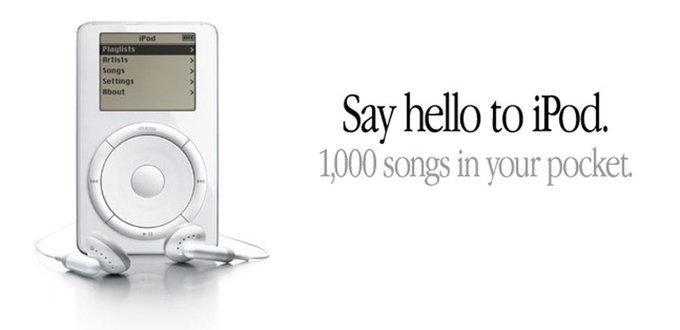
It wasn’t the first mp3 player on the market, but the simple and sleek design captured the hearts of users.
The simple scroll wheel made browsing songs titles, artists or album titles a cinch. iPod virtually ended the portable CD player industry.
When the iPod Mini came along it not only added color to the design, but with a more affordable price tag it put iPods in nearly every pocket in America. The mini also introduced Apple’s famous click wheel.
The differences in material and feel are massive.

A flat desktop computer?
Ive managed to cram all of the computer’s innards into the dome-shaped base and the screen itself was suspended on an arm that could move around. Ive moved away from color bringing the iMac to a sleeker white-and-silver scheme.
If you start with a bright or large design… Transform that into a sleek, minimal design next. Same is true in revenue; if you launch in monotone, add color and material changes later. The product will FEEL next-generation.
In 2004 Apple created the blueprint for every future iMac with their G5 design. This all-in-one computer took the focus away from bright colors or other-worldly designs and made it about the very thing you spend your time staring at while on the computer: the display.
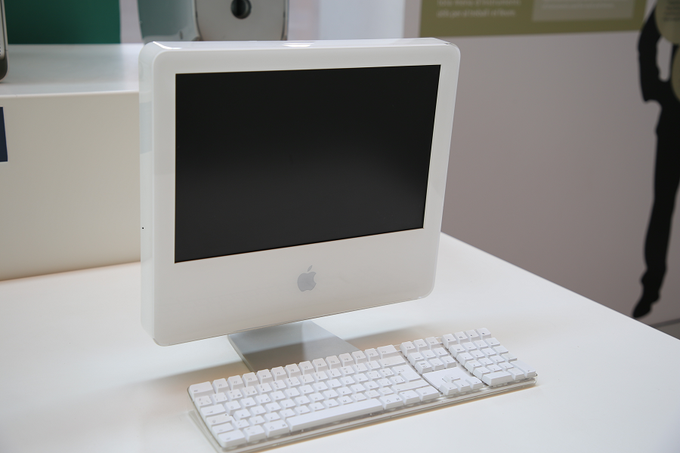
In 2009, Ive was famously quoted saying:
“There’s not a detail there that doesn’t need to be there. There are no visual interruptions, distractions. There’s just no other noise. Everything is about the display.”
This is the outcome of a relentless focus on customer experience.
There is a constant interplay in Ive’s innovations between:
Brands take note!
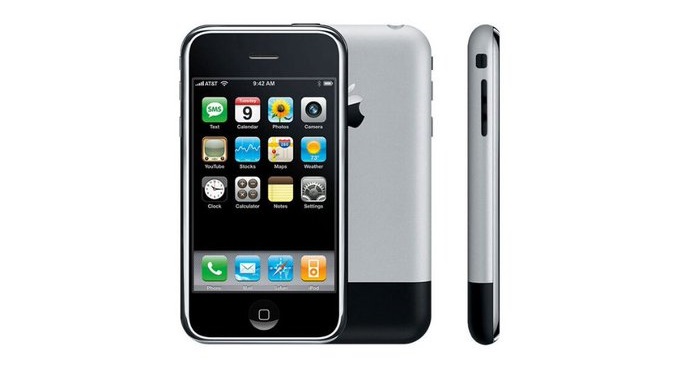
No device has changed the tech industry quite like the iPhone did. It revolutionized the way we think of cell phones (Sorry, Blackberry!).
Instead of a screen as part of the phone, the screen became the whole phone.
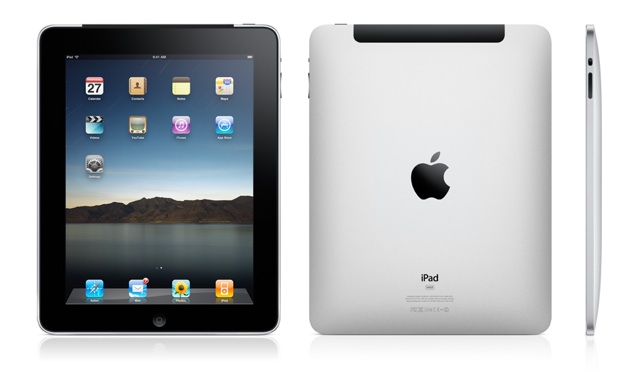
The iPad was met with lukewarm reception… critics thought it was just a giant iPhone.
Ive famously said of this,
“When something exceeds your ability to understand how it works it sort of becomes magical — and that’s exactly what the iPad is.”
The tablet category exploded.
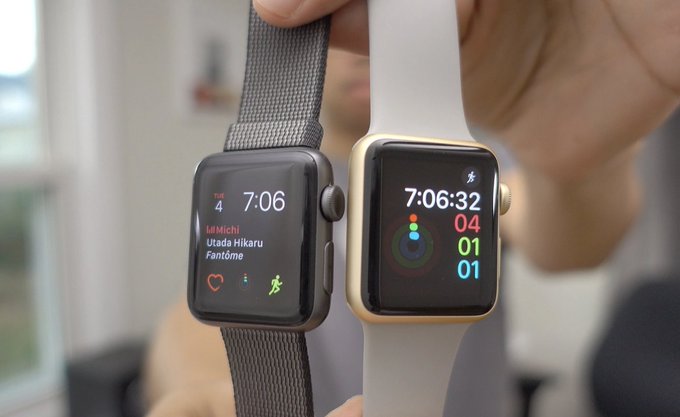
With its high price tag and short battery life, this was another product that most didn’t believe they needed.
Without the signature face, crown, swappable bands and incredible overall brand ID, the wearable device wouldn’t have caught the same adoption.
Jony Ive’s designs aren’t all just about business; he has a few fun, non-Apple designs, too.
The ring is made of a single chunk of diamonds
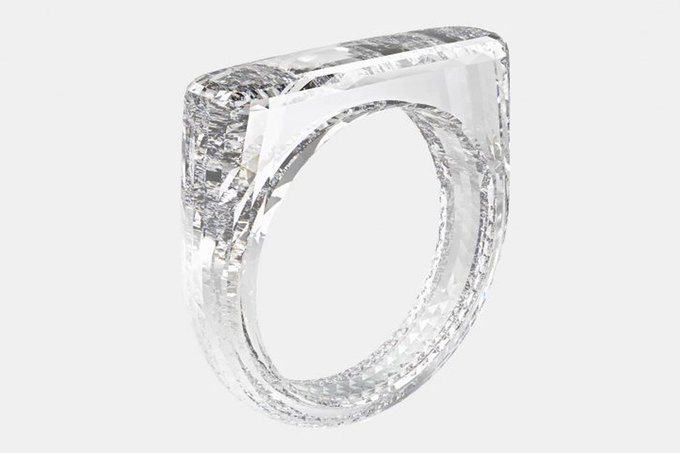
I hope this inspires you to think differently!
– Oren
Every week I break down ideas, strategies, and inspiration for building products and brands on my Twitter Account. Follow along…
READ NEXT:
How To Customize A Point-Of-Sale Display
You can learn more by joining the thousands of happy readers already on my Product People newsletter. I’d be excited to have you in the community!
What do F1 Monaco, League of Legends, and the Warrior’s NBA finals victory have in common? Their stylish Louis Vuitton trophy cases, of course.
As part of its partnership with Automobile Club de Monaco (ACM), LV designed a special trophy case to celebrate the 79th Grand Prix. Handcrafted in LV’s famous Asnières Atelier near Paris, it includes the classic monogram pattern in red and black—the colors of Monaco’s flag.
Michel Boeri, President of the ACM, said, “Apart from being a major partnership with the flagship brand of the LVMH Group, we are delighted that the trophy awarded to the winner of the Formula 1 Grand Prix de Monaco can now safely travel in ‘first class.”
Over Memorial Day weekend Formula 1 Driver, Sergio Pérez’s Monaco win was awarded the coveted prize as well as the luxury carrying case emblazed with a giant V to signify his victory. The gold trophy itself depicts all 19 turns of the 2.09-mile track.
In 2021 LV partnered with the NBA to create a carrying case for the Larry O’Brien championship trophy.
Complete with LV’s monogram canvas, a V for victory and signature brass fixtures, the inside of the case was coated in a rich cobalt blue.
Louis Vuitton is the first official trophy case provider for the NBA. Their multi-year partnership launched a LV x NBA collection in May of 2020, under the artistic direction of Virgil Abloh.
In 2008, Louis Vuitton unveiled their first laser-engraved titanium case for the FIFA World Cup trophy.
The trunk’s 8 corners are protected with the brand’s signature natural cowhide leather, and the lock and its 6 clasps are composed of ruthenium, a strong dark-gray metal.
The FIFA World Cup Original Trophy measures about 14 inches in height, weighs 13.6 lbs.
It is made of solid 18-carat gold with a base of semi-precious malachite.
Talk about a trophy worthy of a luxury carrying case!
In breaking with tradition, LV designed a bespoke case for the eSports League of Legends trophy in 2019.
The case took over 900 hours to make and utilized hi-tech elements within the design like screens on each of the 5 sides, LEDs lining each panel and a smoke machine.
LV’s design team said, “The work of the trunk was done in two stages. A first phase on the technical and innovative realization. A second phase of preparation… This required a work of about 900 hours of study and manufacturing with more than 25 people involved.”
These commissions are GREAT marketing for Louis Vuitton.
When it comes to transporting a treasured valuable celebrated by millions, and exposed directly to the richest athletes in the world, putting your brand right there is an excellent choice.
Speaking of luxury brands and trophies…
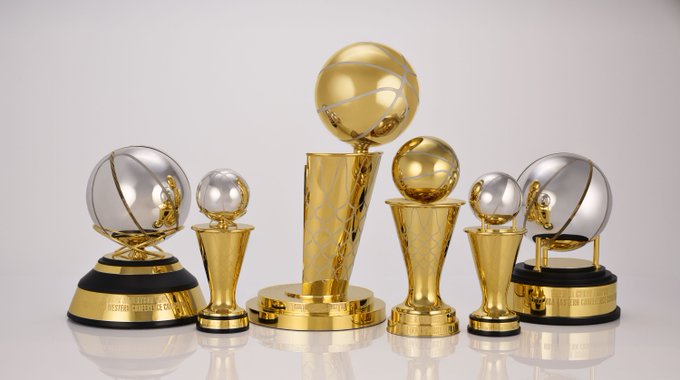
The NBA championship trophy is getting a controversial new look this season thanks to Tiffany & Co. and artist Victor Solomon.
Is this a break with tradition? Or a welcome change?
It says something about the Louis Vuitton brand that most people’s reaction to that case is “Of course it’s Louis Vuitton!”, no surprise there.
It’s a very natural fit. It supports the value of the trophy by associating it with luxury for the leagues, and raises the profile of LV.
Thanks for reading.
– Oren
Every week I break down ideas, strategies, and inspiration for building products and brands on my Twitter Account. Follow along…
READ NEXT:
Lessons From Jony Ive: A Masterclass in Product Design
You can learn more by joining the thousands of happy readers already on my Product People newsletter. I’d be excited to have you in the community!
Looking to start a private label sunglasses brand? You may think the niche is saturated, but it isn’t. In fact, there’s a long way to go and tons of unique designs just waiting to be developed!
I’ve done the research for you, and found all the links you need to succeed. Let’s take a look at the products, suppliers, strategies, and packaging ideas out there.
But first… this post combines two separate TikTok shorts I’ve done over the past 6 months in this niche. That alone should tell you the niche is burning for new ideas. Here’s the first part: my latest TikTok short, and you’ll find the second part at the start of the Product Development Guide down below.
@orenmeetsworld Excellent factories to launch your own sunglasses #ecommercetips #fashionbrand #sunglassbrand #factories #ecommercebusiness @orenmeetsworld #greenscreen
♬ Black Out Days – Future Islands Remix (Slowed) – Phantogram & xxtristanxo & Slowed Radio
Here’s a quick breakdown of what to expect in this post:
Let’s do this…
Sunglasses are a great product to have in your repertoire, whether your brand sells something else entirely, it’s a fashion brand, or you want to do something specifically in sunglasses. Sunglasses are an easy item you can add to your brand or corporate merchandise, and are always a welcome gift.
There are a lot of sunglass factories out there with tons of different styles to choose from. If those styles do end up getting popular, you can adapt your style and make it your own again.
NOTE TO THE READER:
I was going to change sunglasses every time I change in this video but I don’t have the attention span for that
These are acetate sunglasses, made in China.
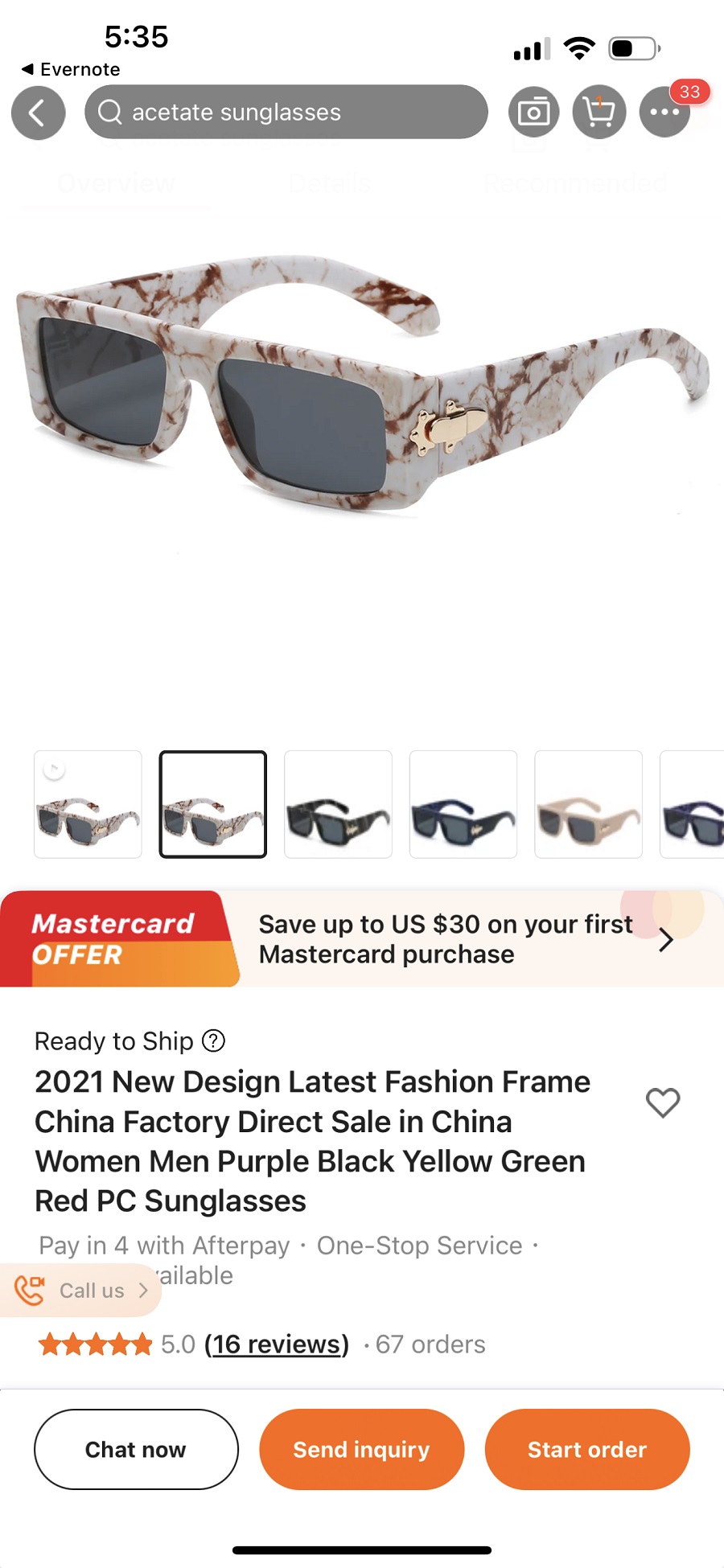
This particular style is pretty easy to mimic. You take any style you see from a vendor, and minorly adapt them by either:

This is the cost of the acetate sunglasses above so you can see just how much margin there is in starting a private label sunglasses brand. In adapting your product, you’ll want to look at things like adding polarized or anti-fog lenses. Also, ensuring your sunglasses are of high quality so they sell well is quite important.
Considering this baseline cost may go up by a few bucks before you actually order, I’d just go ahead and ask any vendor you liaise with to make sure you get the highest quality version they offer. At the end of the day, your return on investment will make sure it ends up being worth a couple of extra dollars initially.
These are my top 4 choices for private label sunglasses vendors.
This is the vendor I’ve used the most. They have a 4.9 store rating, 99% on time delivery, and over 1,000,000 transactions to North America.
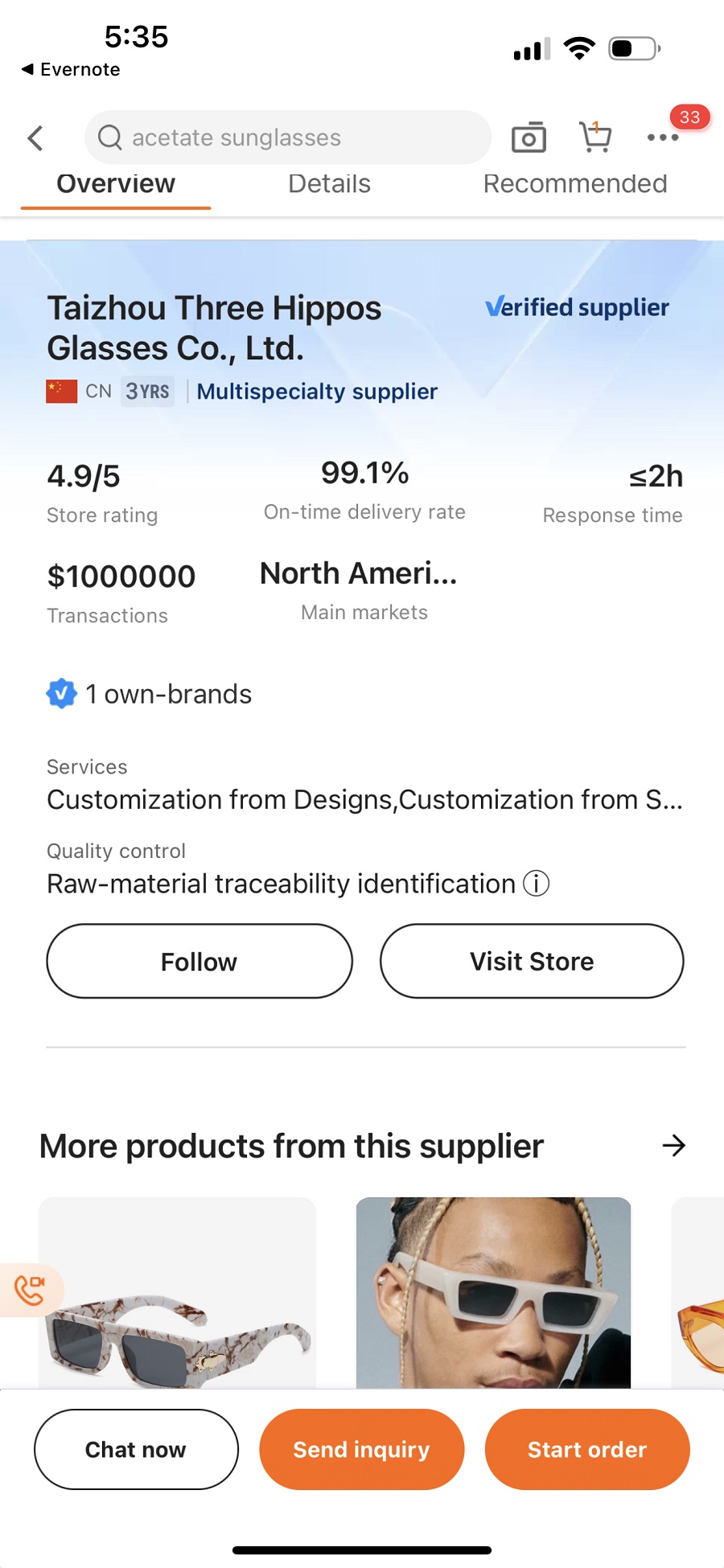
This is a great supplier for Alibaba. You can see a wide variety of styles, still at those low price points that you can use as a base.
Moving on to another good option you can have in your repertoire, as well.
This vendor has these super-fun, kind of vintage, bike-inspired sunglasses, as well. Some weirder styles (in case you’re trying to get odd/rare/truly bespoke designs out there).
Your 3rd option has some more basics.

It is a little bit more expensive, but definitely worthy of a look.
Overall, private label sunglasses is a super-competitive market but this is a great add-on product to apply your own patterns or looks to. It can complement your existing brand and it’s also a low-cost start.
If you’re considering selling your own products, getting a hundred sunglasses that showcase your customized designs aren’t going to cost you that much to test the waters in e-commerce.
If you’re on Instagram, you’ve seen sunglass brands ads selling for $40-80 a pair. The secret? They cost about $3-10.
Add:
That’s $25-65 profit each, and they’re selling THOUSANDS monthly.
Here’s how to develop your own…
First things first, order your favorite brand’s pair online. Write down EVERYTHING about the experience:
Note everything they’ve considered and what you think could be done better.

Next thing to do is find a private label sunglasses factory. Use Alibaba, and search for vendors with:
That’s going to ensure you have someone legit. Here’s an example of good and great.
If you’re looking for inspiration on designs, check these brands:
Let’s break down a few different product approaches with relevant factors:
Sporting sunglasses is a great opportunity for brands.
Anti-fog sporting sunglasses is also a great opportunity for niche sports – make a specific brand for golf, biking, running, pickleball, etc. Really, wherever you have a passion or see a need not being filled.
Back in step 1, you made notes about features, usability, colors, etc. Use these links and breakdowns to refine your selection, based on those choices made.
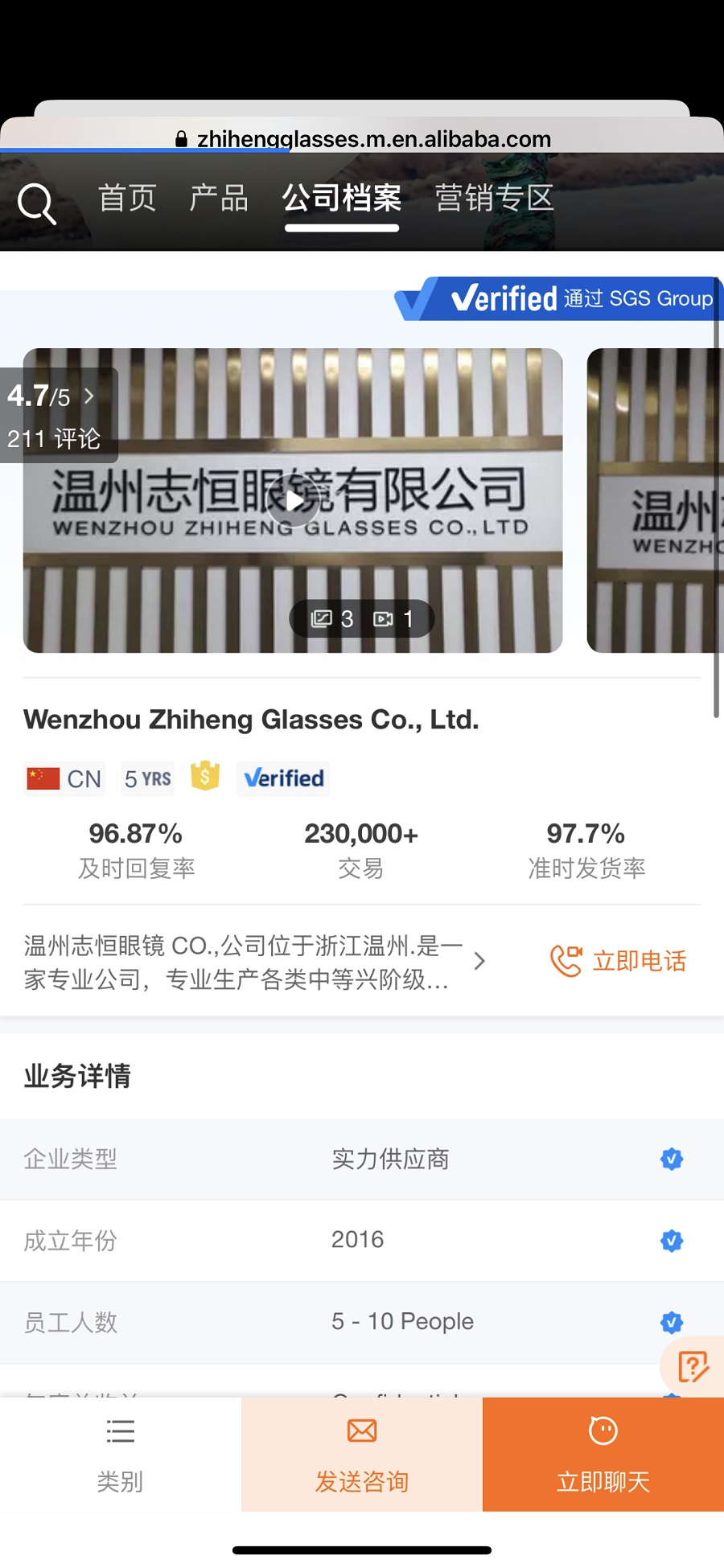
Factory: Wenzhou Zhiheng Glasses Co., Ltd.
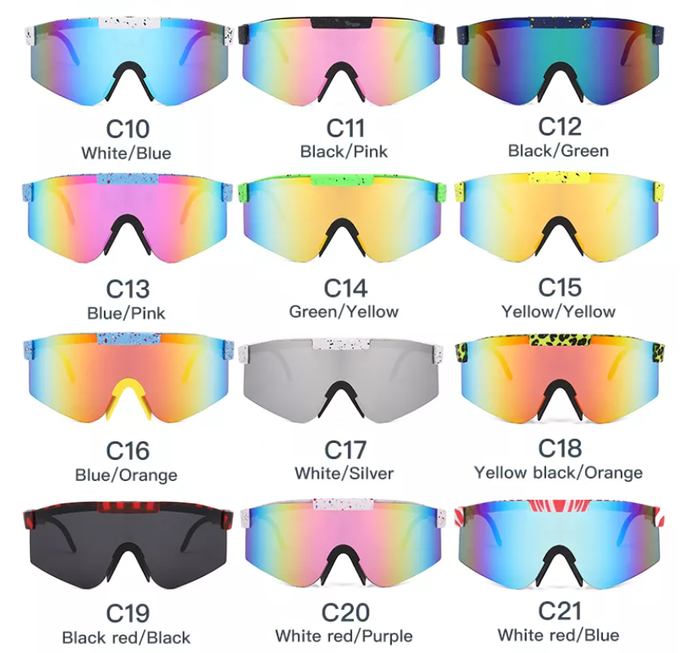
I would recommend really going all out like this on the nicest of everything and trying to go over $100 in price point, but that’s just me 😉
Tangent-type goggles for about $20.
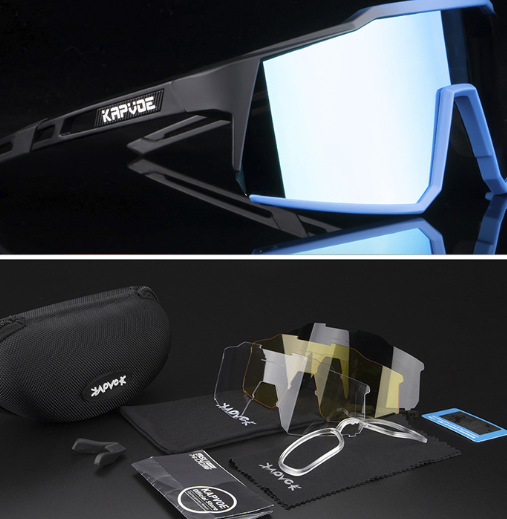
… Interesting opportunity. Resorts could crush with these handy.

The key to success with any of these is to do OEM (custom). Take one of these existing designs and modify them to be perfect for what you think will succeed.
Unrelated, here for this surrealist factory ad.

A fantastic option if you have an existing following is to brand hip styles. I’ve got a great factory that takes current hot looks and offers customization/logos.
Factory: Taizhou Three Hippos Glasses Co., Ltd
They start at about $1.20 a pair and you customize at 100 units.
Some current men’s styles at less than $2 with an MoQ of 300 pairs for custom
There are factories that specialize just in women’s and men’s contemporary styles:
Big winner if you have an existing audience.
Factory: Wenzhou Lenlook International Trade Co., Ltd.
Selling basics is ultra-competitive, but this is a great category for giveaways or corporate merch.
You’ll also find plenty of designer bootlegs.
The trick with these vendors is to ask them for the nicest, highest quality versions they can make, and apply your own changes.
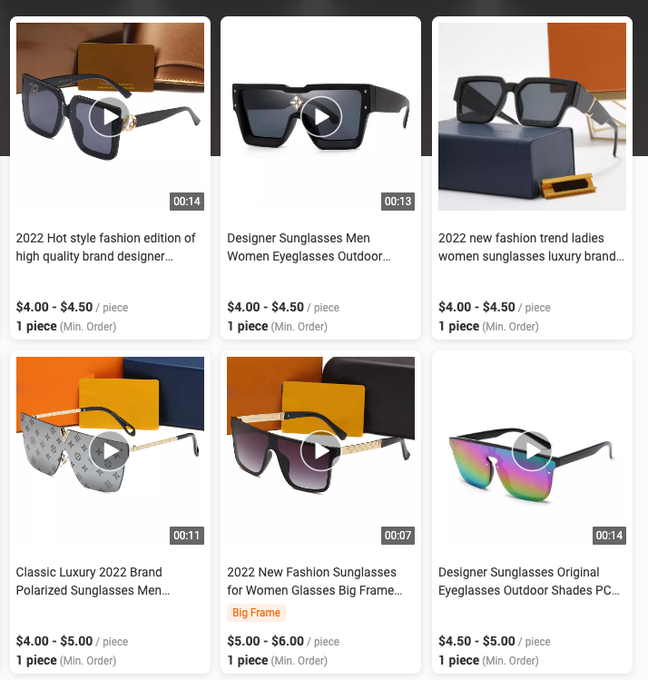
They’re not a long term fit though. If they bootleg others… they’ll probably bootleg you.
Make sure to customize your product! Some quick ideas:
Also decide where you want to live on the value scale…
It's a golden age for selling your own products.
The Good, Better, Best framework helps you price and position to win 👇🏼
— Oren John (@orenmeetsworld) April 19, 2022
RECOMMENDED READING:
Ready to start a sunglasses brand?
Read Understanding Good-Better-Best Pricing for Products
Next you’re going to move on to packaging. Ask your vendor if they will wrap and box your product with a custom item. This is a cheaper option than domestic.

Here’s how to manage your packaging needs:
Now head back to the list you made when ordering your favorite brand in the development stage. Think through if your packaging, box experience, carrying, etc. matches up with the experience you’ve gotten from an existing brand.
This is a key exercise to constantly refer to as it helps prevent details from getting lost.
Once you’re ordering your product, we hit logistics.
Too much product for your house? You need a 3PL (third party logistics) or FC (fulfillment center) partner. Here’s my comprehensive list:
Best 3rd Party Logistics for CPG Businesses
When it comes to e-commerce there’s 100 quality followers on Twitter that can juice you up with great info.
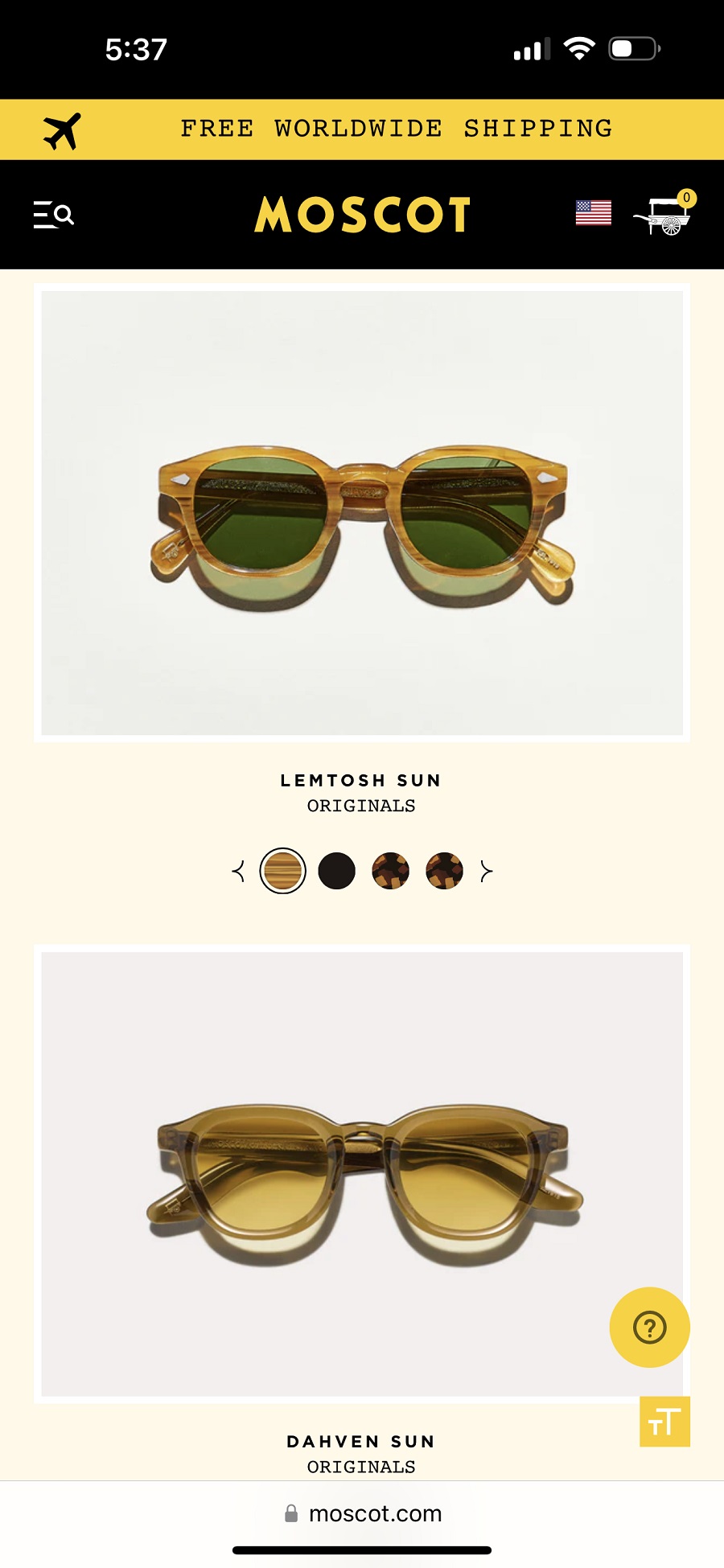
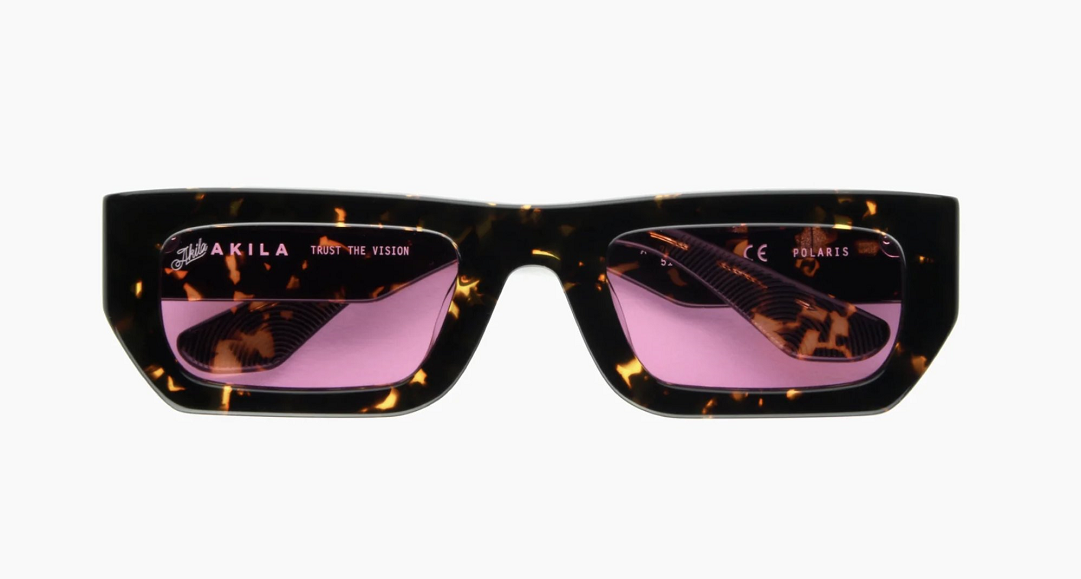
I will say, in this niche in particular, photography is a huge part of what can make the product stand out when selling online. Moscot crushes this.
Check out some sample pics below:
The next 18 months are a once-in-a-lifetime opportunity to build a brand on Tik Tok.
Start a private label sunglasses brand now!
Thanks for reading. I regularly break down sourcing and developing different products to 5,000+ entrepreneurs on my Product People newsletter. You should join me there.
– Oren
Twitter: http://www.twitter.com/orenmeetsworld
LinkedIn: http://www.linkedin.com/in/orenj/
TikTok: https://www.tiktok.com/@orenmeetsworld
Check out 2 newsletters from my best friends, James & Colin
Free Smoke –A Cannabis business newsletter by Colin Landforce:
https://freesmoke.xyz/
NanoFlips – Learn the art of buying, growing, and selling websites with James Camp:
https://www.nanoflips.com/
You can learn more by joining the thousands of happy readers already on my Product People newsletter. I’d be excited to have you in the community!
If you’re looking to start your own clothing line but need a little nudge in the right direction, this is the tread for you.
Here’s my best vendors for elevated merchandise: beanies, hats, hoodies, sweats.
You want to make great clothing? Start here.
I consistently get this question on how to make elevated merchandise, and there’s tons of options!
I’ve waded through the chaff and I’m focusing on actual high quality, modern, cool stuff in this post.
Here’s my old list to start your own DTC online clothing shop with non-lux options, too.
https://www.productworld.xyz/2022/06/06/best-domestic-international-clothing-product-vendors/
Lets go!
Rue Porter is still the highest quality affordable blanks I’ve come across to start your own clothing line with.
They’ve got dope billboards in LA and had them in and out Coachella this year pushing “luxury blanks”.
Their fit is fire… modern and different. Quality high, tags are just size to make it easy.
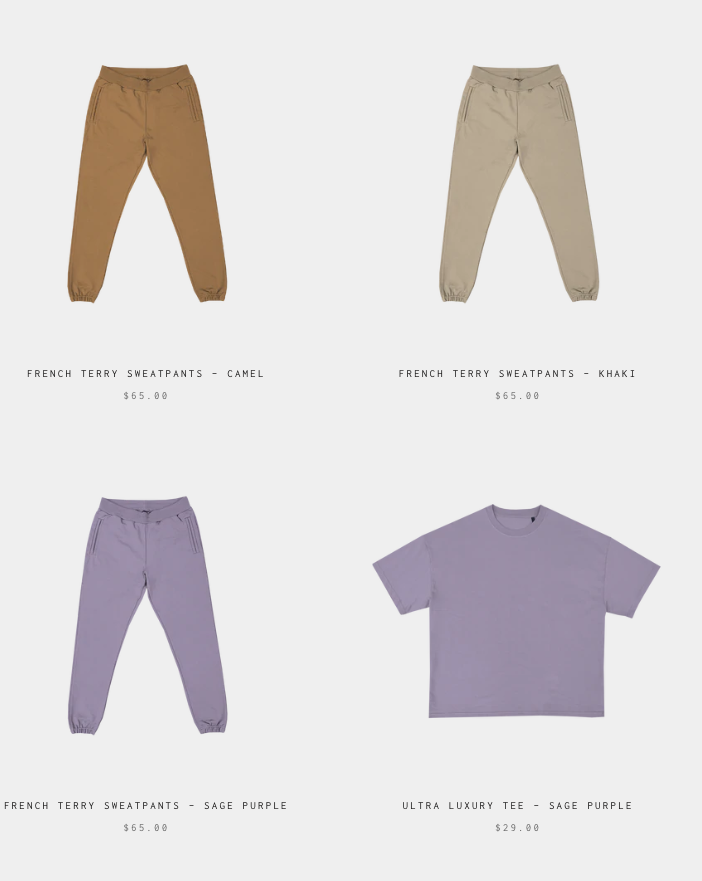
You can apply to have a wholesale store right on their site.
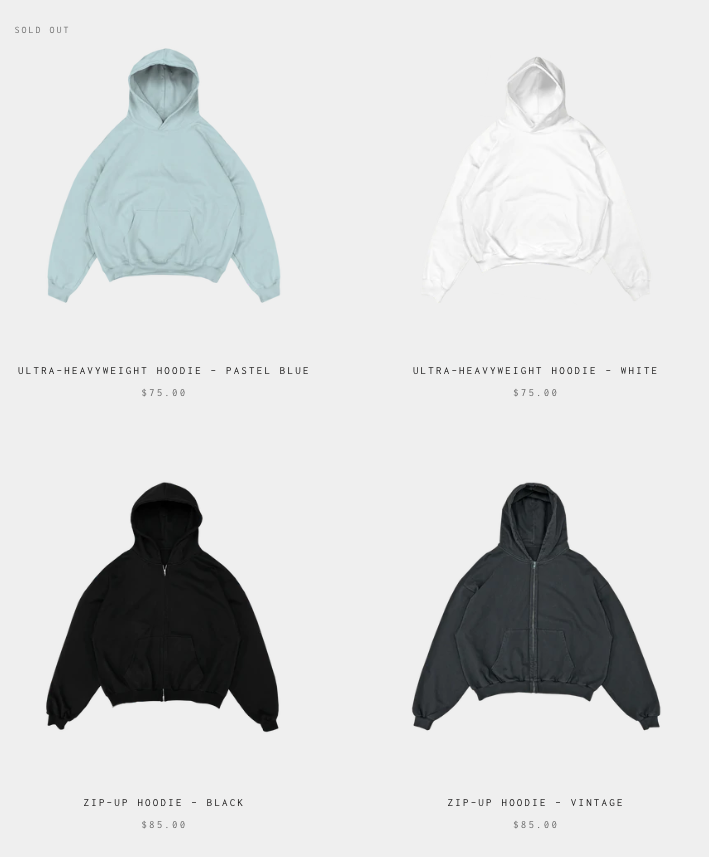
The only downside is there is pretty hefty order delays often, and lots of sell-outs, but they’ve got the quality.
For Beanies, the best domestic solution I’ve found is The Studio.
Plenty of options from embroidery to patches and they take care of it all.
200 from $7.49/e
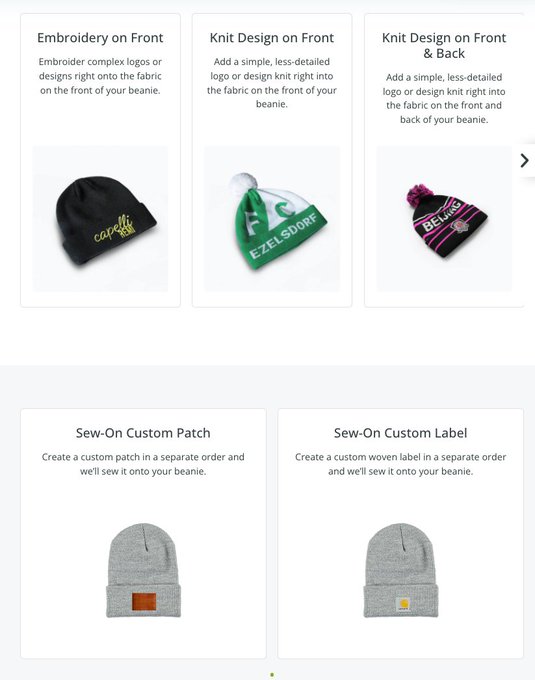
I’ve done lots of beanies overseas, they don’t have the reliable quality these guys do (especially with embroidery)
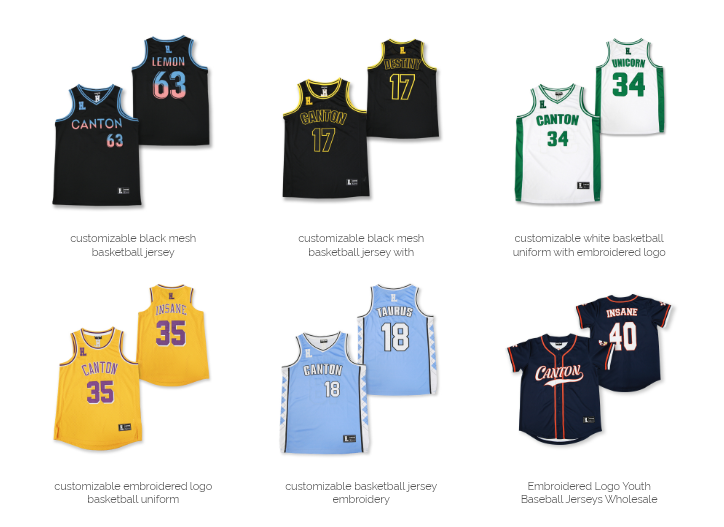
For jerseys… we’re going overseas. You want factories that do die-sublimation, and do thread embroidery just for jerseys.
Domestic middleman markups are insane.
The Healong Sportswear team in Guangzhou does it all: basketball, baseball, rugby, golf.
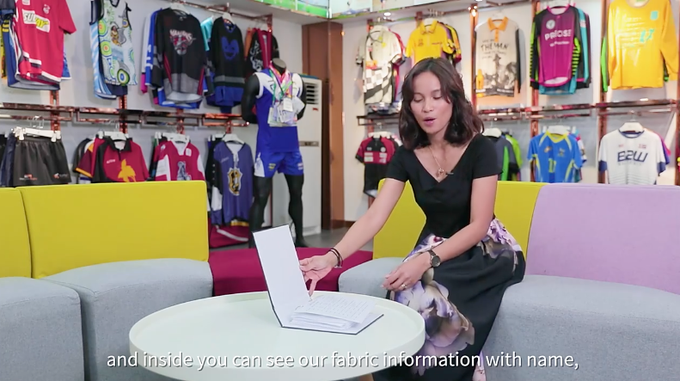
Pro tips for working with teams like the above:
This is crucial!
A gem I’m currently working on a product with right now is WATC Studio.
I love them because they have a digital studio for wholesalers. Upload logos and hit printed samples for $50-80.
Their quality is also very similar to Rue Porter.

Short run digital print samples are crucial for workflow. It means you can check designs fast, and be shooting content while your product is in production — as long as you’re willing to pay more for pre-production units.
Doing it all from in their store is a game changer.
If you have a solid following and want to focus on creative not operations, I’d also take a look at Pietra Studio.
They did these caps for Nostalgia Killer that just dropped, and they handle fulfillment, packaging, etc., too.
You can google any of these, or I’ll drop links directly in my Product People newsletter, a weekly ultra-resource of factories, playbooks, ideas, and inspiration for people that currently are or want to make products.
Any merchandising products you don’t see on here and want me to drop in this week’s newsletter, just comment below
As always, thanks for reading, and hope to see you on the newsletter!
– Oren
Every week I break down ideas, strategies, and inspiration for building products and brands on my Twitter Account. Follow along…
READ NEXT:
Factories & Strategies To Start a Private Label Sunglasses Brand
You can learn more by joining the thousands of happy readers already on my Product People newsletter. I’d be excited to have you in the community!
Do a Google search on how to create your own sauce brand, and you’ll find MILLIONS of results, that include condiments, hot sauce, bottling and selling tips, and more.
That’s not surprizing, though… sauces and condiments sell $37.7 BILLION yearly in the US, and the margins are incredible.
Ladies and gentlemen, let me take you to Flavortown!
Here’s my product playbook with factories, ideas, and how to execute…
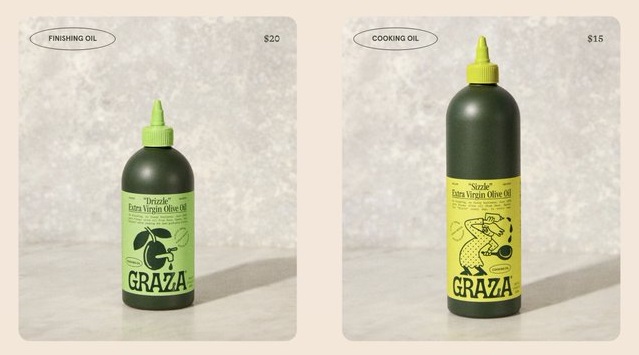
Consumers want unique, niche brands with values and more flavor. Sauce newcomers like Truff, Sir Kensington’s, Graza, MomoFuku, and more have taken advantage of a huge shift over the last decade.

We’ve seen celebrity chefs and restaurants break into the category, with brands like Momofuku entering direct to consumer and channel sales.

Brands like Truff seemingly come out of nowhere and dominate online ads and retail.
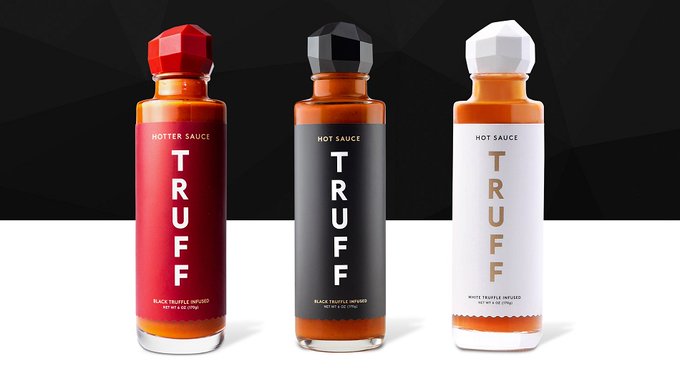
This is actually easier than you might think…
Here’s my cheat sheet of how to make a sauce or condiment unique in its category.
HIGHER END
– Go “restaurant grade” with higher-end materials and richer composition (more oil/butter)
– Execute “small batch” with unique, differing tastes and approaches for connoisseurs.
HEALTHY OPTIONS
– Make a popular sauce with no additives, artificial flavors or preservatives and focus on rapid supply chain turnaround for freshness.
– Low to no sugar version of any popular sauce. Surprisingly low-hanging fruit.
FLAVOR
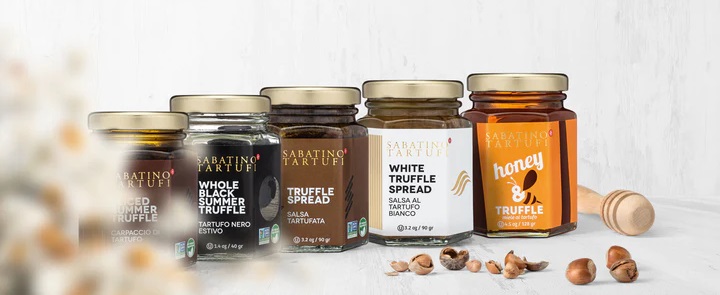
– Add truffles. You might laugh, but we have not left the truffle era. The taste can be applied to many sauce options
– Exotic flavor combos. There’s room for “out there” & impulse buy options that are good for a unique meal. Especially if packaging is a talking point.
AESTHETIC
– Look and feel. I’m convinced part of Jacobsens and Sir Kensington’s success besides just great products is they look modern at home.
– User experience. I love the Graza olive oil for its squeezable form factor that’s more along the lines of real user needs.
Sabatino does higher end sauces and condiments, with a big emphasis on truffles. Factories in US and Italy so you know its real.
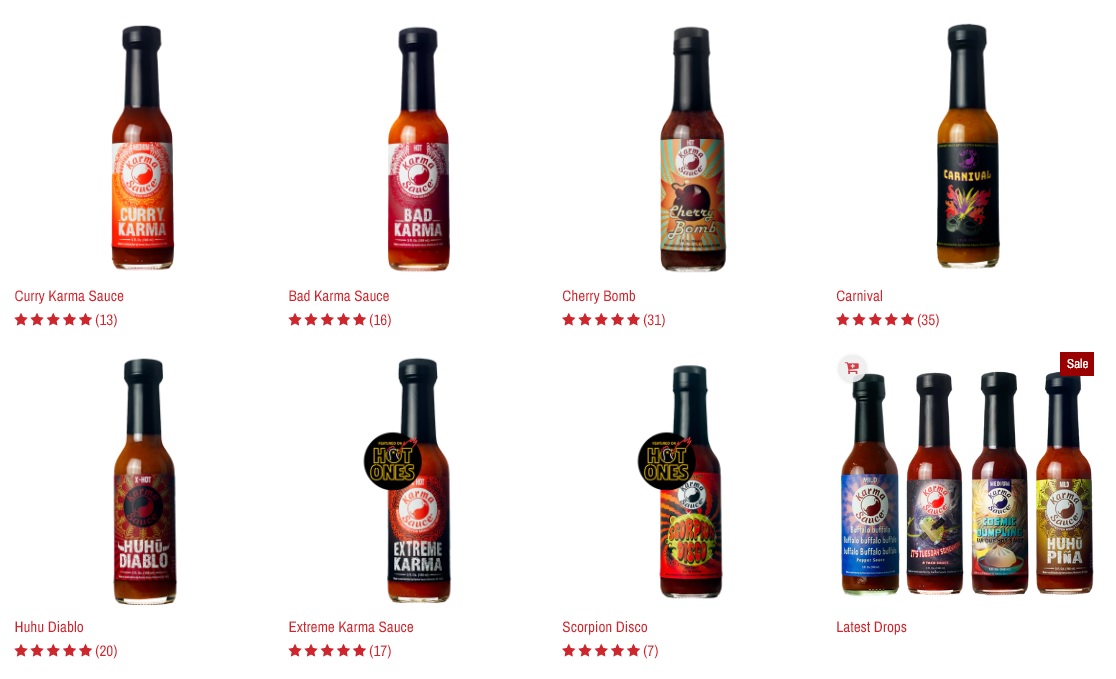
Karma Sauce is another noted white labeller for sauces of all kinds.
Want to take it overseas for max margin, or to authentically incorporate flavors originating in Asia?
There’s a generational shift happening as consumers begin to prefer niche options for them, whether regional, aesthetically, by values, or made for their background.
Every major producer is getting market share taken by dozens of new entrepreneurs, and there’s room for MUCH more.
Whether you’re just passionate about the space, or you have a regional restaurant or online following around food…
The path to succeed is there with a differentiated, interesting product, and direct access to the world’s top suppliers.
Never forget, the real sauce is the friends we make along the way.
– Oren
Remember to subscribe, and follow along as I help my community bring new products to life on my Twitter Account:
READ NEXT:
Best Vendors To Start Your Own Clothing Line
You can learn more by joining the thousands of happy readers already on my Product People newsletter. I’d be excited to have you in the community!
I’ve sold $100,000,000+ in branded products to date. Here’s how to create a product that stands out.
I’ve either developed or sold:
Today we’re going to focus on products for DTC entrepreneurs.
Brands fail because their products don’t resonate. Drop-shipping products or ordering straight off Alibaba won’t get long-term success. You need to create a product that stands out from the crowd and draws your customer in.
Products that succeed need to be special. This is a mix of:
This is the #1 area to focus (and also the hardest)
Can your product solve something for a user that makes their experience in your category better than ever?
Examples:
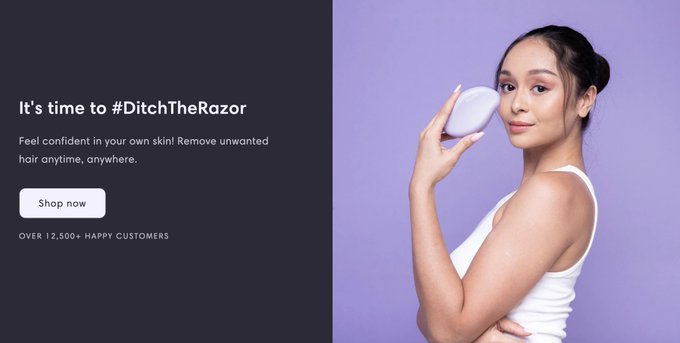
Can using better materials make the product better, or more unique for a specific user group?
Examples:
There is a whole cottage industry of making products that just look good on social media or by comparison
Examples:
Whatever you’re creating, zone in on a smaller demographic– occupation, gender, race, background, region, belief system, taste etc.
Make a product that someone feels was really made specifically for them.
Example:
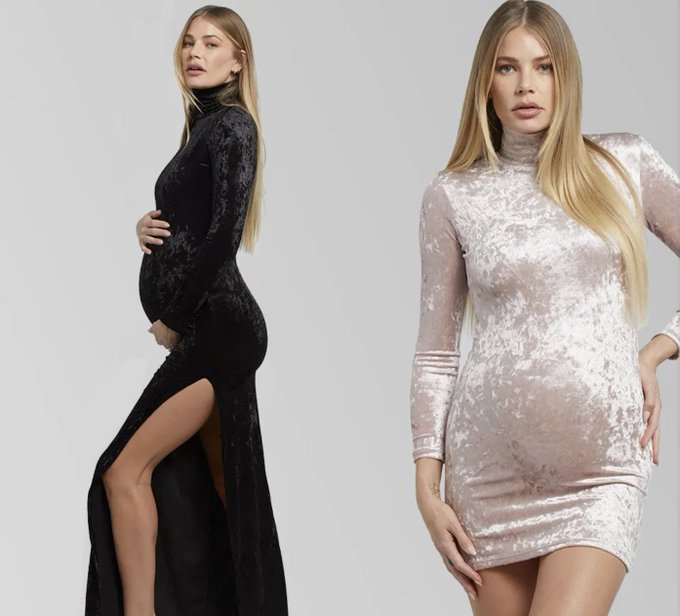
Many new products come out as one thing, which consumers can look at as “fly by night”. But a set of products that work together, and provide a roadmap to better solve the user’s pain points over time, is a differentiator.
Examples:
This is extremely overlooked. If you sell a normal product, but add free digital content… You’re providing more value than the competition
Ideas:
Making products more reliable & sturdier solves a huge pain point for many products. Spend more to make your product extremely reliable.
Then back it up with a money-back guarantee 2x the competition, or even a lifetime.
Examples:

Especially for technical, complex, or very frequently used products, sell customer service.
If you have the same product as the competition, but you answer the phone immediately 24/7, you can win.
Example:
Allowing your products to be customizable, and having many different versions (especially appealing to niches, licensing etc) gives brands a way to stand out by making customers feel like what they buy is unique to them.
Example:

Nothing helps a brand resonate more than an army of customers or fans acting as evangelists, and making new potential customers feel they’re buying into more than a product, they’re buying into a place they belong.
Examples:
If you’re looking to find the perfect product to launch, here’s my factory connects master thread on Twitter…
This is your sign to make your own product.
I’ve vetted 50+ factories across fashion, cosmetics, supplements and more. All the plugs are below, make sure to bookmark 👇
— Oren John (@orenmeetsworld) April 7, 2022
If you apply multiple of these principles directly to a great vendor, you can make something great.
Hopefully this got your wheels turning!
– Oren
Remember to subscribe, and follow along as I help my community bring new products to life on my Twitter Account. Join us and follow for more product creation insights
READ NEXT:
How To Create Your Own Sauce Brand
If you’re interested in more insights on how to bring products to life, with direct links to factories and wholesalers, I write a newsletter to 1000+ product creators every week on my Product People newsletter.
Basketball Tik Tok is massive, 120 BILLION hashtags, and it’s crossing everyone’s feeds during the playoffs. In-season is the best time to create basketball products, and we’ve got just the right factories and ideas to help you do that.
Keep reading to discover 8 product ideas and their 7 respective manufacturers to build a product in this niche, or you can also read this thread on Twitter:
Basketball Tik Tok is massive, 120 BILLION hashtags, and it's crossing everyone's feeds during the playoffs.
Below are 8 product ideas + manufacturers to build a product in this niche 👇 pic.twitter.com/c0jRjOzPCn
— Oren John (@orenmeetsworld) June 12, 2022
Grab these light-up nets – made for social content.
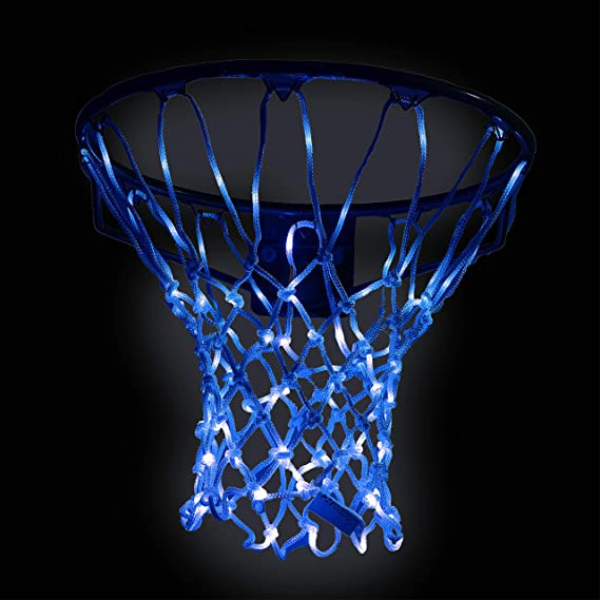
Factory link: https://mega-glow.en.alibaba.com/
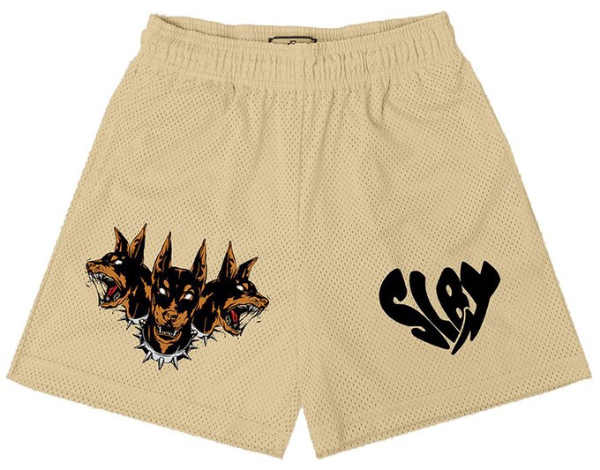
Custom shorts are growing more and more common and there’s tons of dope styles, but these particular ones are only 10 MOQ for a custom logo, which makes it super easy to launch.
Magnetic tactics board… someone could do something sick with these. I’ve never seen one tricked out, but it’s a fun gift idea for any coach.
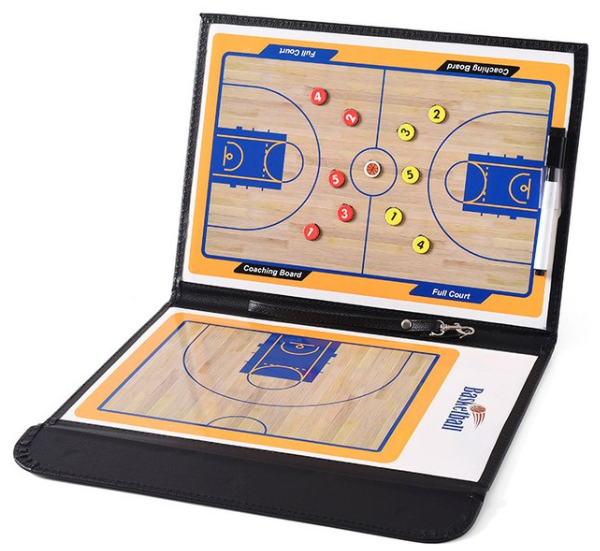
Factory link: https://gy-industries.en.alibaba.com/company_profile.html
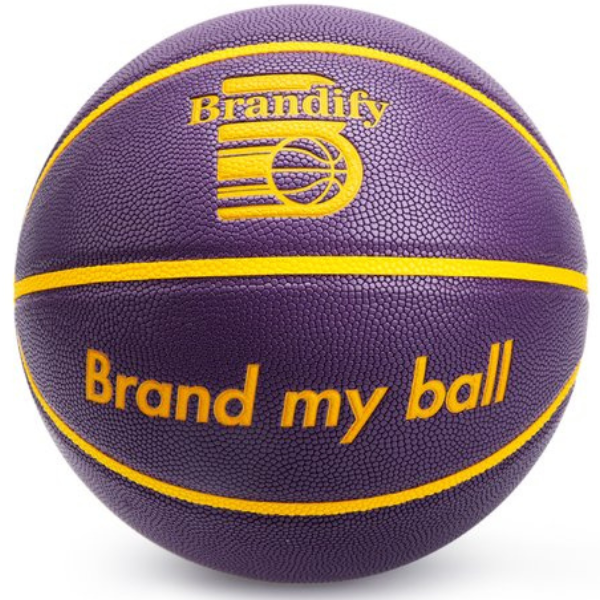
Custom balls, $10 at 30 quantity, so many fun items you can do here for various niches, at decent quantity but be sure to specify your size!
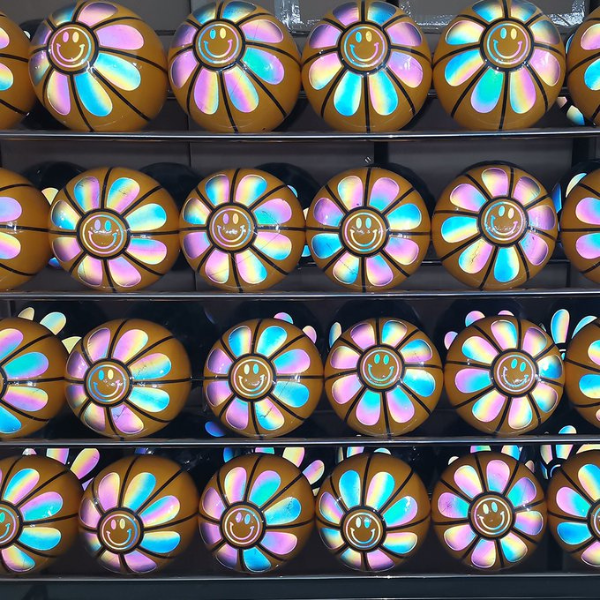
Glow in the dark balls from the same company, which are also an easy content win.
Custom design at 100 quantity.
Factory link: https://www.alibaba.com/product-detail/Custom-High-Quality-Indoor-Basketball-for_1600133436727.html
This is a great option for custom jerseys… just make sure you have your sizing right, and provide sizing to them.
Die sublimation jerseys have a low MOQ (10) and look great.

Factory link: https://www.healong.com/
Snapbacks and hats. Good snapbacks with multicolor embroidery have high MOQs (think 1000, try to negotiate down), but plenty of options with less.
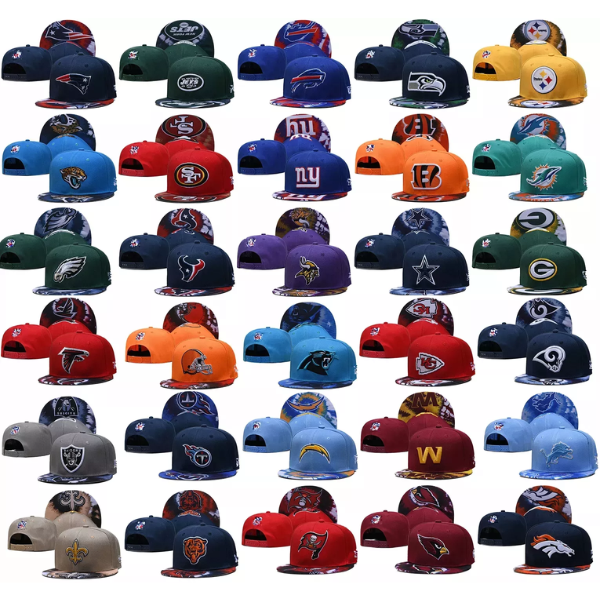
Factory link: https://thunderoutdoor.en.alibaba.com/
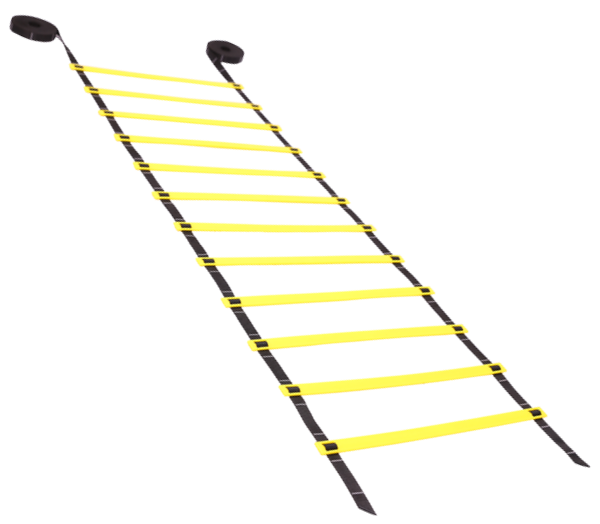
Agility ladders and rings, and tons of cones and options.
As low as $2.20 each at 100 MOQ, this is a great product for margin, and to bundle with content like a manual or video series of drills, or an accountability program.
Factory link: https://saiaosports.en.alibaba.com/
Some ideas I would look at when you create basketball products:
Opportunities in social and ecommerce
Got any other suggestions? Drop me a comment below.
– Oren
Remember to subscribe, and follow along as I help my community bring new products to life on my Twitter Account:
READ NEXT:
How To Create Your Own Sauce Brand
You can learn more by joining the thousands of happy readers already on my Product People newsletter. I’d be excited to have you in the community!
Luxury brands average 150% more margin and 200% more operating profits than mid-market brands. It’s easier – and cheaper! – than ever to create a luxury brand, so why wait?
Here’s my product playbook – with factory links – to make your own luxury goods. You can also read this thread on Twitter:
Luxury brands average 150% more margin and 200% more operating profits than mid-market brands.
Here’s my product playbook with factory links to make your own luxury goods: 🧵 pic.twitter.com/ManJY6lJUd
— Oren John (@orenmeetsworld) July 7, 2022
The key differentiator between a high-end good and a value counterpart is the quality. This narrows down to:
To achieve a real luxury brand, quality is just one cornerstone, you also need
The last one is the hardest, because you need to execute all the others for extended periods to achieve a true luxury regard for your product.
There are 3 types of high-end brands:
Major fashion houses were housed out of Italy forever, but due to changes in global positioning and various other factors, Portugal now produces a large amount of luxury goods. And they’re the perfect place to go if you want true luxury quality at a reasonable price.
Here are 4 premium factory options in Portugal to get you started:
I also highly recommend subscribing to Business of Fashion and following them on Twitter @BoF. They have classes and just tons of resources behind the paywall.
You don’t approach a factory without a plan, so here’s where to begin:
A good partner
But don’t expect all this before you’ve done a few transactions and proven legitimacy.
The goods themselves are just step one. Creating a premium or luxury brand requires a premium experience.
To charge a premium, your ethos from inception must be to:
Desirability is the x-factor in luxury. You can create amazing products, but how do you get customers to truly desire it?
Great tactics to consider include:
In addition, design is paramount:
Want to know more? Here’s the perfect tool…
It cost me $50k+ and multiple trips to Hong Kong & China to find my factories.
But now you can find any brand's overseas manufacturers for FREE.
The ultimate tool for finding the best overseas partners 👇
— Oren John (@orenmeetsworld) April 27, 2022
Have any questions? Drop me a comment below.
– Oren
READ NEXT:
How to Create Basketball Products (Factories & Ideas)
Want more factories, insights, and tutorials like these on how to make products come to life?
Join thousands of like-minded readers on my weekly Product People newsletter covering building brands and differentiated products
With very few exceptions, products aren’t just suddenly launched out of nowhere. Much like a new project needs the guidelines that a project brief would offer, you need to create a product brief for products in the design phase.
This is a walk-through of product brief basics you need to know and best practices to create them. Learn how you can make your own briefs, and what information needs to be included in a good product brief.
Keep reading to see a product brief in action as we put together a capsule collection for some friends. Learn more about how to create a product brief now.
More than anything, your product brief is a clear and detailed guide that provides everyone with approved design instructions for the build.
Whether you have your own team or you’re doing this with a client, you need a document where everyone can collate their resources and say “Hey, this is the approved thing that we want to do for XYZ product.”
There are a few situations in which you’d need a product brief. The most obvious of these is to:
Once you’ve found a format that works for you, keep it consistent, and refer back to it often. This is especially true when placing repeat orders with overseas factories.
A good product brief is an unambiguous and uncomplicated document. It doesn’t have to be long and it doesn’t have to be perfect:
The actual design of the brief doesn’t matter; content does.
List out all the products that will be worked on and their components – packaging, accessories, anything in the box.
I do recommend if you’re going to a factory to make it super, super detailed and cover absolutely everything!
PRODUCT BASICS
QUANTITIES
PRICING
For the capsule collection we’re going to use a broker who already has existing relationships with a factory and they’re going to do some of the translation. We’re keeping this example a little more high level but you’ll get the gist.
Just a reminder that the design of the brief doesn’t really matter as long as it’s detailed and follows a logical flow. The content is what’s important here.
First things first is to actually list out all the products that are going to be worked on and their components. In this example we’re doing a sunglass product, so we’ll need the sunglasses themselves, the removable strap, and a semi-hard case. We’re not boxing them but we may still need a manual.
This is listing out all of the different components inside your items so they know the entirety of what you’re looking to create. This is especially important when you’re creating a product line.
Next up, we focus on listing out the target quantities we want to do for each of the line items. You’ll want to put your quantities down so you actually know all the things that need to be included as a part of your product. You can check those off one by one inside the brief itself.
If you’re doing this internally and making your own products, you’ll have factories and stuff already in place. Here, I’d be putting in target hours or target price points but there’s no reason to send your target price points to your broker or your external factory. Focus them on the bottom line, sure, but let them price to you.
In our example brief for the capsule collection we’ve taken some inspiration from the brand Sporty and Rich because we really liked four of their colors. You can include color blocks in your product brief so the factory knows exactly which color you’re referring to.
TOP COLOR-MATCH TIPS
Now that your product brief basics are down on paper (so to speak), it’s time to walk through your primary product concepts. You may have only one product; I like to work in product lines.
Having a product line lets you have a “hero” product, some secondary products (that aren’t scheduled to be the core seller), and then some accessories. These accessories are essentially products that people are going to add on to almost every purchase. This is your upsell, and it’s an overlooked gem.
Your next slide is going to just outline the top things you’re trying to achieve, like an overview of your vision. It makes sure everyone knows and is aligned on what you’re trying to do.
Then we get to the complicated parts, which includes any standout functions or technologies that are required. You’ll actually need to detail this quite well so specify that these are technology examples, not visual examples. You don’t want to look like your competition; you just want to have some of the same tech they’re using to try and find something similar in what you’re putting together.
Next up: the style and any notes about the product itself. Get all the details that you want into the product notes. Again, not super-specified yet. No mock-ups; this is just getting the conversation started to get into pricing.
Include a secondary option in case they couldn’t get something that looked or was quite like what you envisioned first. Make sure you’ve included branding because it impacts the bottom line from a style and color perspective.
IMPORTANT NOTES
Once you’ve broken down materials, visual examples, and links in your product brief it’s time to send your brief. Get on a call with your broker or the factory and walk them through it all so people can get a better idea.
Even if you already have a good, existing relationship with your broker or factory, you should still request a list of questions they have for you to answer. This process takes a day or two, and you’ll want to get all those out as quick as possible to move on to the next steps.
Discuss timelines and start assigning due dates. Build a chart of who’s doing what to get your quotes and your designs completed.
This video will walk you through my process, using sunglasses as an example product.
And that’s it! Many people have many formats for how this works. I found that mine in particular is not too crazy. It gets all the product brief basics down, is perfect for getting the conversation started, and gets a ton of information out at once.
I hope you found this walk-through super-informative and valuable. Let me know in the comments below where your snags were.
– Oren
READ NEXT:
How to Create A Luxury Brand
Want more factories, insights, and tutorials like these on how to make products come to life?
Join thousands of like-minded readers on my weekly Product People newsletter covering building brands and differentiated products